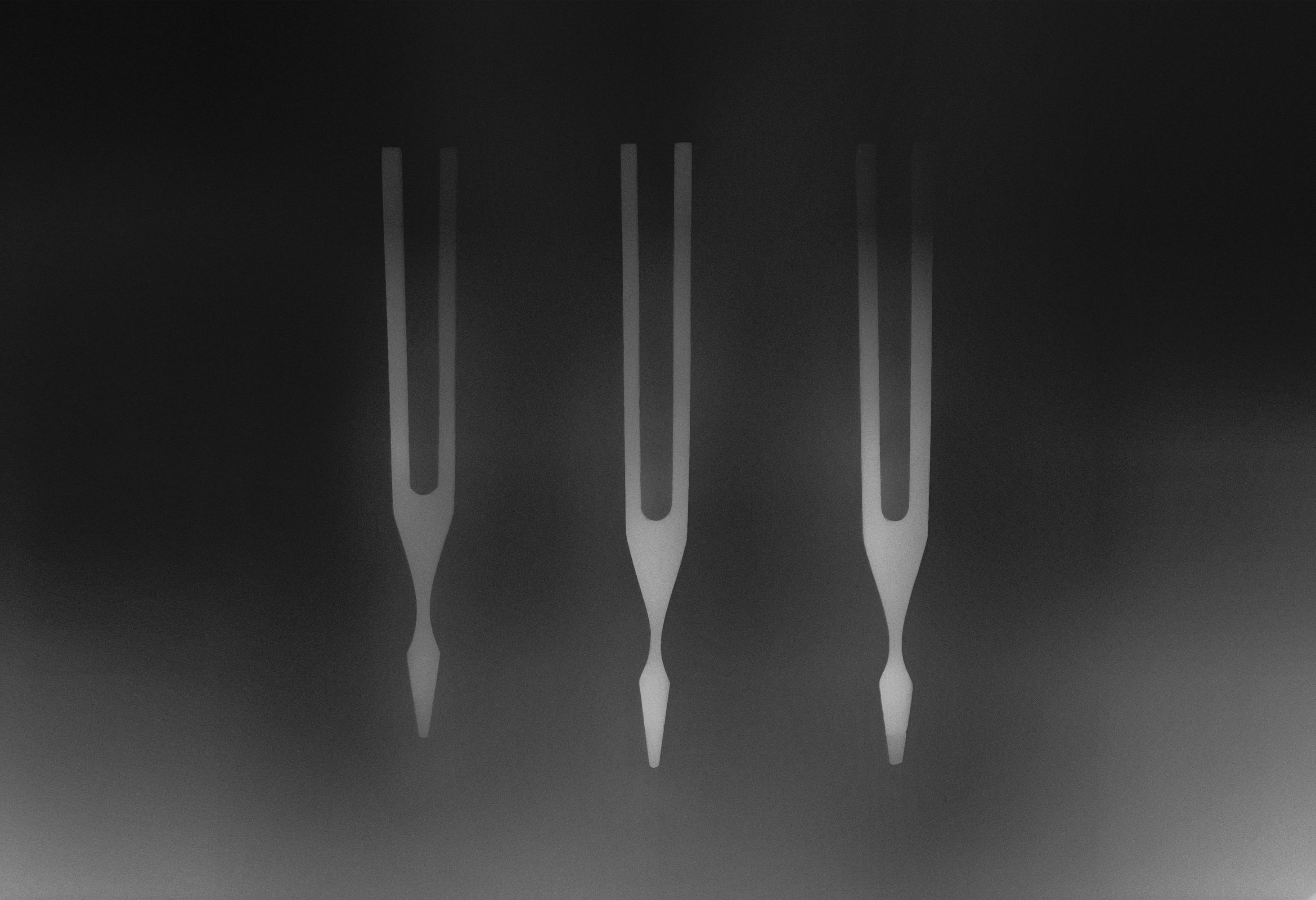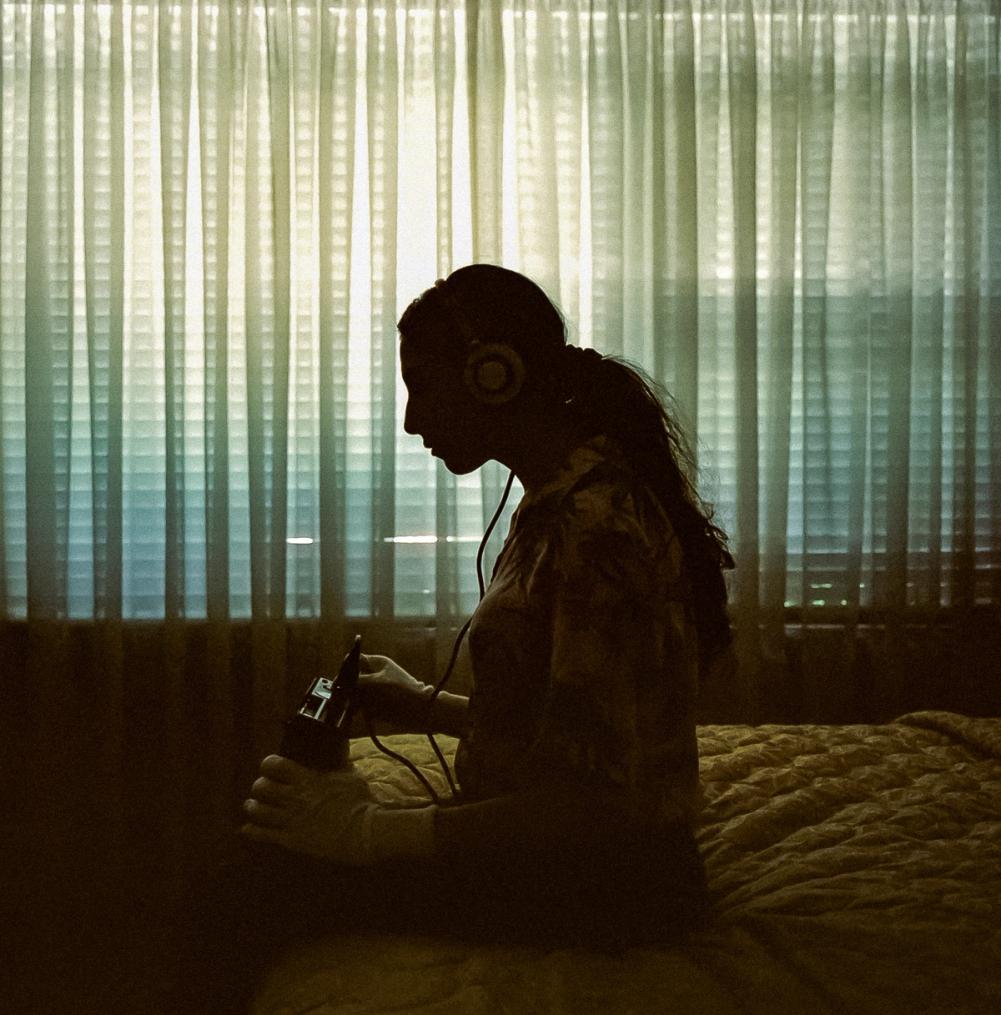
This exciting exhibition is a joint presentation between Vision Australia and the Powerhouse Museum.
Today, Australians with blindness or low vision participate in every aspect of community life, thanks to developments in education and training, technology, legislation and social change over the past 140 years.
This exhibition gives visitors an understanding of the world of the blindness and low vision community and celebrates their achievements. It features objects from Vision Australia’s heritage collection, compelling accounts and examples of new technologies that are increasing the independence of thousands of Australians.
The exhibition will run in the museum’s Australian Communities Gallery throughout 2009. After its year-long run at the Powerhouse Museum, it will tour regional areas.
Video
A series of interviews with Australian sportspeople, artists and professionals in the blindness community.
Nicholas Gleeson, Vision Australia talk to Powerhouse Museum staff and volunteers 30 June 2008
Audio Guide
Complete Audio Guide (mp3, 10MB)
Audio Guide in sections
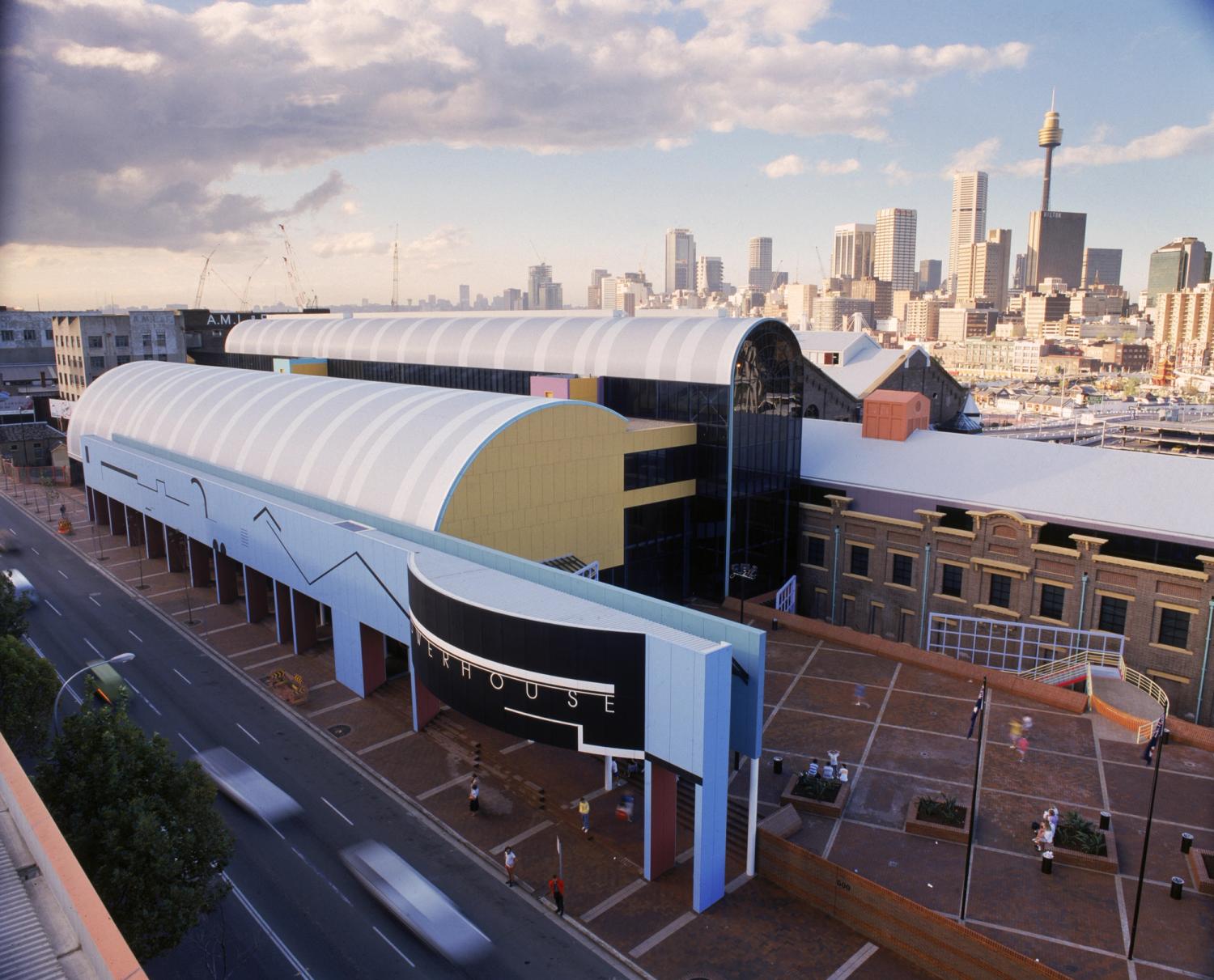
Getting here: The Powerhouse Museum is located at 500 Harris St, Ultimo, and is close to Darling Harbour, Chinatown, Central Station, Railway Square and Paddy’s Markets Monorail Station.
By rail: From Central Station country platforms, take the northern exit and catch the light rail tram to Chinatown, get off at the Paddy’s market stop, take the steps up to the pedestrian walkway which will take you to the museum.
Buses from the city: Catch any bus going south on George Street. Get off at Hay Street, walk past Paddy’s Market, up the steps and over the pedestrian walkway to the museum.
By car. Parking is available at the Entertainment Centre carpark. A walkway from levels 3A and 3B connects to the Powerhouse. Validate your carpark ticket at the museum’s admissions counter to receive the discounted parking rate of $11.50.
By taxi: Visitors who are blind or have low vision should ask the driver to take them to the end of the ramp and not the steps, which are divided by a long rail.
Admission and opening hours
The Powerhouse Museum is open from 10am to 5pm every day except Christmas Day, and opens at 9:30 am during School holidays. Tickets can be purchased at the door, although some exhibitions offer pre-sale ticketing.
$10 Adult
$5 Child (4-15 years) - $5.00, children under four are free
$6 NSW Seniors Card holders and pensioners
$25 Family (1 adult and up to 3 children; or 2 adults and up to 2 children)
$6 Concessions
Free - Powerhouse members
For more information contact the Museum’s main number 9217 011.
Entering the Powerhouse
You enter from a brick paved courtyard through large automatic double doors into a grand foyer with marble flooring. To the right of the doors and about ten steps in is the admissions desk.
A gallery officer will meet you on entry and assist you to the admissions counter.
Getting to the Communities Gallery
The ‘Living in a sensory world’ exhibition is on level 2 in the Australian Communities Gallery, which is one floor below the main entry level.
Visitors can access this gallery in three ways: by ramp (the most direct route), a lift or escalators. Please ask a gallery officer or Customer Service Officer to direct you.
The ramp commences about 10 metres from the end of the admissions counter. Halfway down the ramp is a hairpin bend, you’ll then walk down to the Target Theatre foyer. Turn left and 25 metres away is the entrance to the Australian Communities Gallery on your left. The title is in large black letters on a white wall.
The lift is15m from the end of the admissions counter, turn right and walk 8m to the lift. Take the lift down to level 2. Outside, turn left, walk 20 metres then turn left, walk 7 metres and you will be in front of the Australian Communities Gallery.
Until 26 April the area to the left of the lift will host the Stars Wars shop, so it may be congested.
The escalators can be accessed by walking 20 metres from the end of the admissions counter, then turning right and walking 10 metres, then left to go down the escalators. Take the escalator down to Level 2, turn left and walk 15 metres to the Australian Communities Gallery.
The Australian Communities Gallery layout
This gallery consists of a 17 metre long, 3 metre wide open corridor. Some 3m into this corridor is a 3m x 7m room to your left. Cabinets with glass cases run along the left side of the corridor. The wall opposite features interactives and audiovisuals.
Accessibility
Wheelchairs can be borrowed at no charge from the admission desk in the museum’s main entrance foyer.
Wheelchair accessible toilets are in each of the toilet blocks on levels 1,2 and 4. There are also toilets in the courtyard.
In the Powerhouse you can access the main levels via ramps and a lift, which is recommended for visitors using manual wheelchairs.
‘Living in a sensory world’ information can be accessed by:
- A DAISY-formatted audio guide (that can be used by digital players, available at the customer help desk) or your own online handheld device. The audio guide starts from the gallery’s main entrance.
- Sd cards and memory discs are also available for your on-line hand-held device
- Large print labels (at least 21 point sans serif font)
- Braille labelling is found on the vertical theme panels dividing sections and along a horizontal ledge 65cm from the floor in front of the showcases.
Objects have been placed against bright contrasting colours to optimise visibility and bright contrasting colours are used throughout.
Tactile floor indicators have been placed at the two main entry points to the exhibition and the gallery’s showcases shallow, to optimise viewing.
Touch trolleys – periodically there are touch trolleys where visitors have the opportunity of touching and investigating objects from the Museum’s education collection based on different themes. Please ask at the front counter if there are any touch trolleys displayed on the day that you visit.
Cafes – there are two cafes, one is on the main entry level near the lift. The second is located outside in the courtyard on level 1.
If you are interested in more information about accessibility and the services offered by Vision Australia call 1300 84 74 66 or visit their website www.visionaustralia.org.au.