Powerhouse Museum at dusk


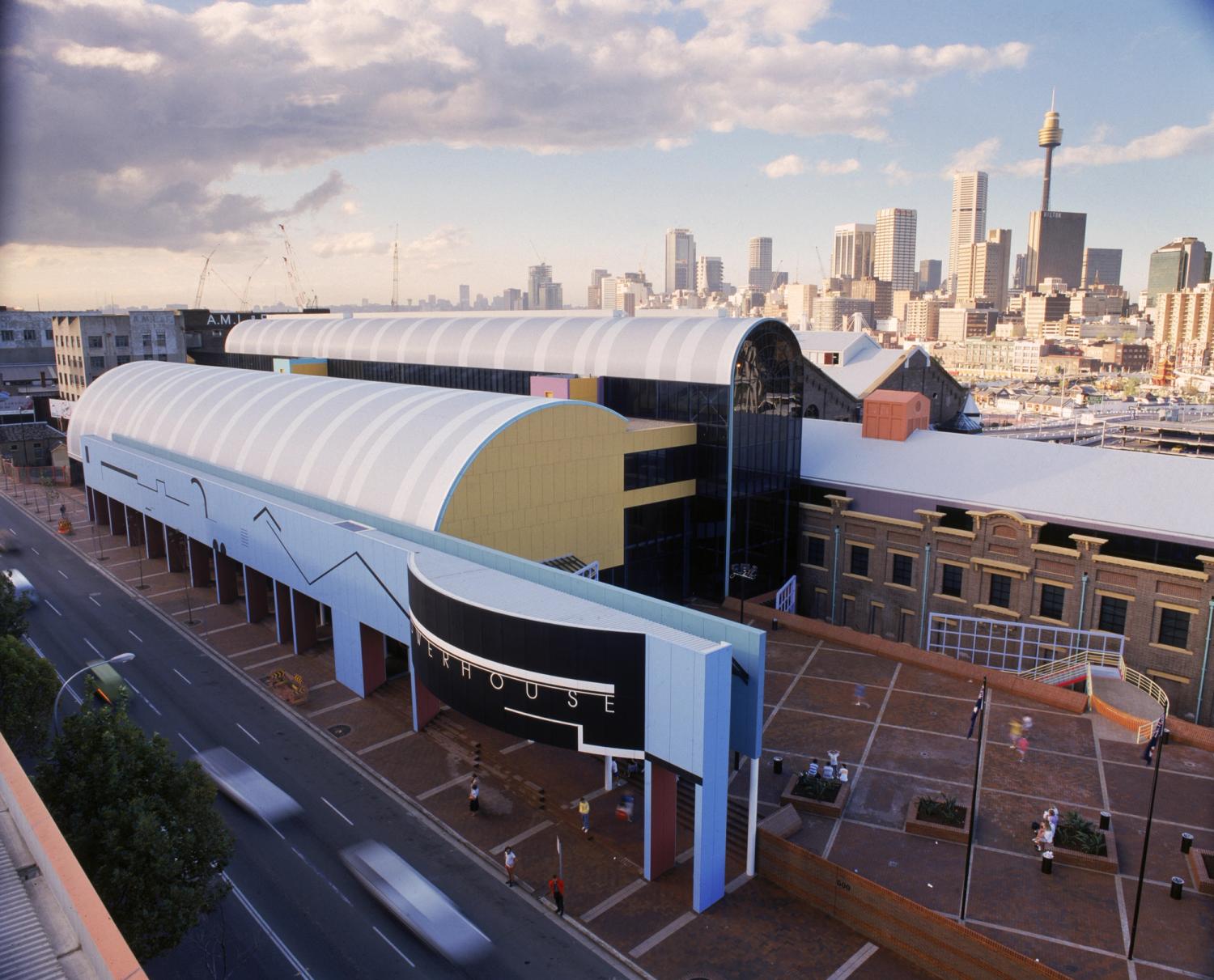
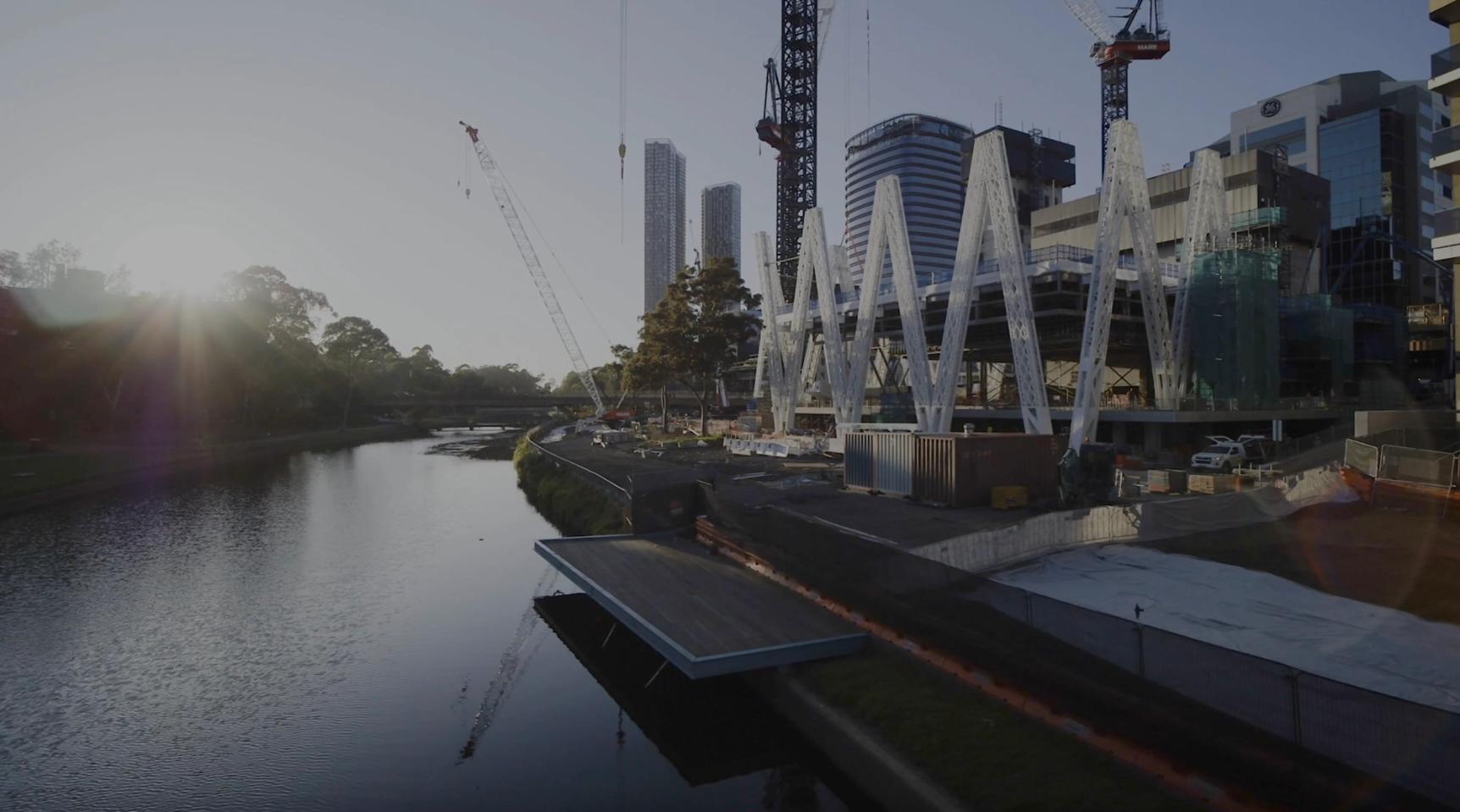
This was taken from the roof of the building opposite us in Harris Street. From up here you get a great view of the architectural structure of the Museum, designed by architect Lionel Glendenning, and the evening light that is cast over the city skyline. This is an interesting time to shoot with medium to long exposures because you get the ambient light of the sunset and the bright lights that appear as lines produced from the traffic headlights. This is a good time to experiment with long exposures. This was photographed quiet a few years ago using the medium format camera on a tripod and was shot on transparency film.

File# 00z19014

Photography by Andrew Frolows
License: Creative Commons Attribution-Noncommercial-No Derivative Works 2.0

Floating red lanterns


These lanterns were floating in the forecourt of the Powerhouse Museum to celebrate the opening of the Shaanxi Province Folk Art display that was held in the Turbine Hall in February of this year. They made a dramatic impact when you first saw the bright red lanterns contrasting with the blue sky and the black and white exterior of our building.

File # 00z25393

Photography by Sotha Bourn
License: Creative Commons Attribution-Noncommercial-No Derivative Works 2.0

Highlight from the Commons project on Flickr


This image titled ‘Shearing by machinery’ from our Tyrrell photographic collection has just been added to the Commons project on Flickr. This brings our total number of images to 400 with over 2000 fantastic tags from other members.

This great image shows a shearing board with its mechanised shearing equipment , the shearers busy at work and three young boys collecting the fleece. Mechanised shears were introduced into shearing sheds in the late 1880s and had a dramatic impact on the quantities that were being produced in the sheds thus slowly replacing hand operated blade shears on many properties.

No known copyright restrictions

Cafe chairs at the Paragon


These chairs were photographed at the Paragon Café which is in the main street of Katoomba, New South Wales. Do you remember going to the Blue Mountains and stopping at the Paragon for a hot chocolate or one of their amazing chocolates?

The Paragon café was established during World War I and underwent a few changes leading up to the early twenties. In 1922 the interior changed to dark wood panelling and mirrors were put along the side to reflect the light. Then in 1924 the interior changed to reflect the art deco era that still exists today. The seating in the café has wooden booths along one side and the free-standing wooden chairs, seen in this image, in the centre. This was photographed for the publication What’s In Store? a history of retailing in Australia

File #00219490.

Photography by Jean-François Lanzarone.
License: Creative Commons Attribution-Noncommercial-No Derivative Works 2.0

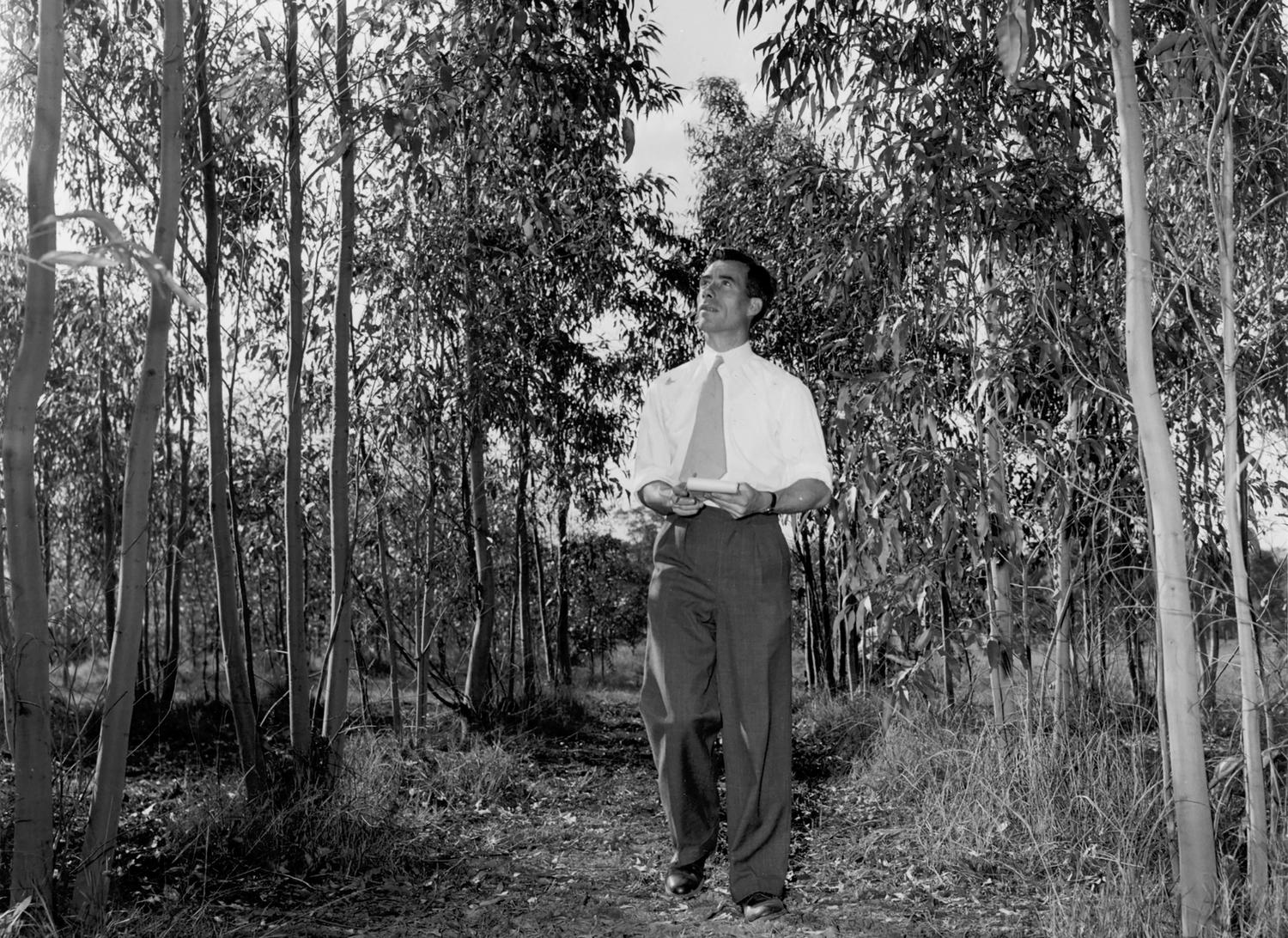
Curling leaf


This was shot with the aperture wide open using a macro lens on a very windy day. The leaf was moving around and it was very difficult to find the focus point however this is the resulting image. This was taken whilst shooting for the Indigenous women’s exhibition Yinalung yenu: women’s journey. This leaf was photographed on a bush track close to where Marlene Kong, one of the women featured in the exhibition, grew up. Marlene took us to the bush setting where she used to play as a child and this is where we set up to interview her for the exhibition. It was during this time that the bush setting was photographed.

File # 00z24432

Photography by Paula Bray
License: Creative Commons Attribution-Noncommercial-No Derivative Works 2.0

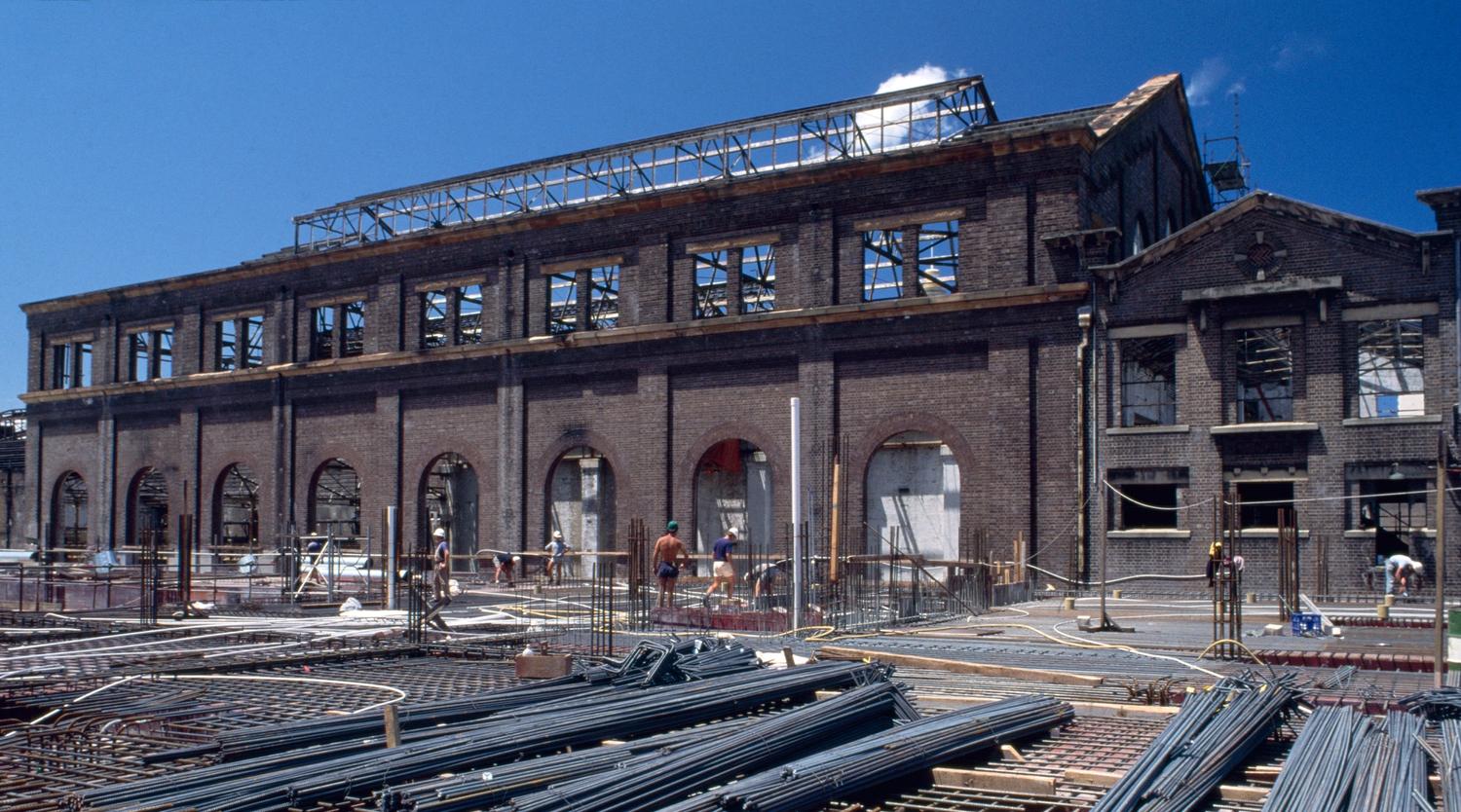
Stage 2 of the Powerhouse Museum under construction.


This image was taken in April 1986 when construction was under way for changing the old power station into the new site for the Powerhouse Museum. This image was taken where the original boiler hall existed which was built in 1901. The old power station dates back to 1899. It was originally built to power the electric tram system which stopped operating in 1963. The construction was completed and the museum opened its doors twenty years ago on 10 March 1988.

In this image ‘Electric Tram, George Street, David Jones Corner’ from our Tyrrell photographic collection you can see the old electric trams that used to run along George St.

File# 00z29556

© All rights reserved

Highlight from the Commons on Flickr


This fantastic image titled George Street, looking north from GPO Sydney is one of our images from the Tyrrell photographic collection that we have uploaded to the Commons project on Flickr. If you go to the larger version of this image on Flickr you can see the fine detail including the names on the shop fronts, the people walking on the footpath, the horses and their carriages. You can also see one gentleman on the main carriage either bending over to reach something or trying to get off the carriage. This sort of detail is sometimes missed at a first glance. What was this man doing whilst traveling down George Street?

No known copyright restrictions.

Sunset over the Great Wall of China


A museum photographer went to China to photograph the Great Wall and the surrounding landscape for the exhibition The Great Wall of China: dynasties, dragons and warriors. This is the view from the ruined watch tower, Jinshanling, looking west at sunset. The photographer just managed to capture the sun as it was setting, a few moments later and this would have been missed. Our photographer spent a month in China traveling with our medium format camera gear photographing the landscape and the Great Wall of China. There were many early morning starts to catch the sunrise and traveling for hours across the desert to catch sunsets. Many of these images were turned into a photographic immersive that was shown in the exhibition. We now have 3000 images in the Photo Library from this trip.

File # 00×04109

Photography by Jean-François Lanzarone.
License: Creative Commons Attribution-Noncommercial-No Derivative Works 2.0

Architectural detail


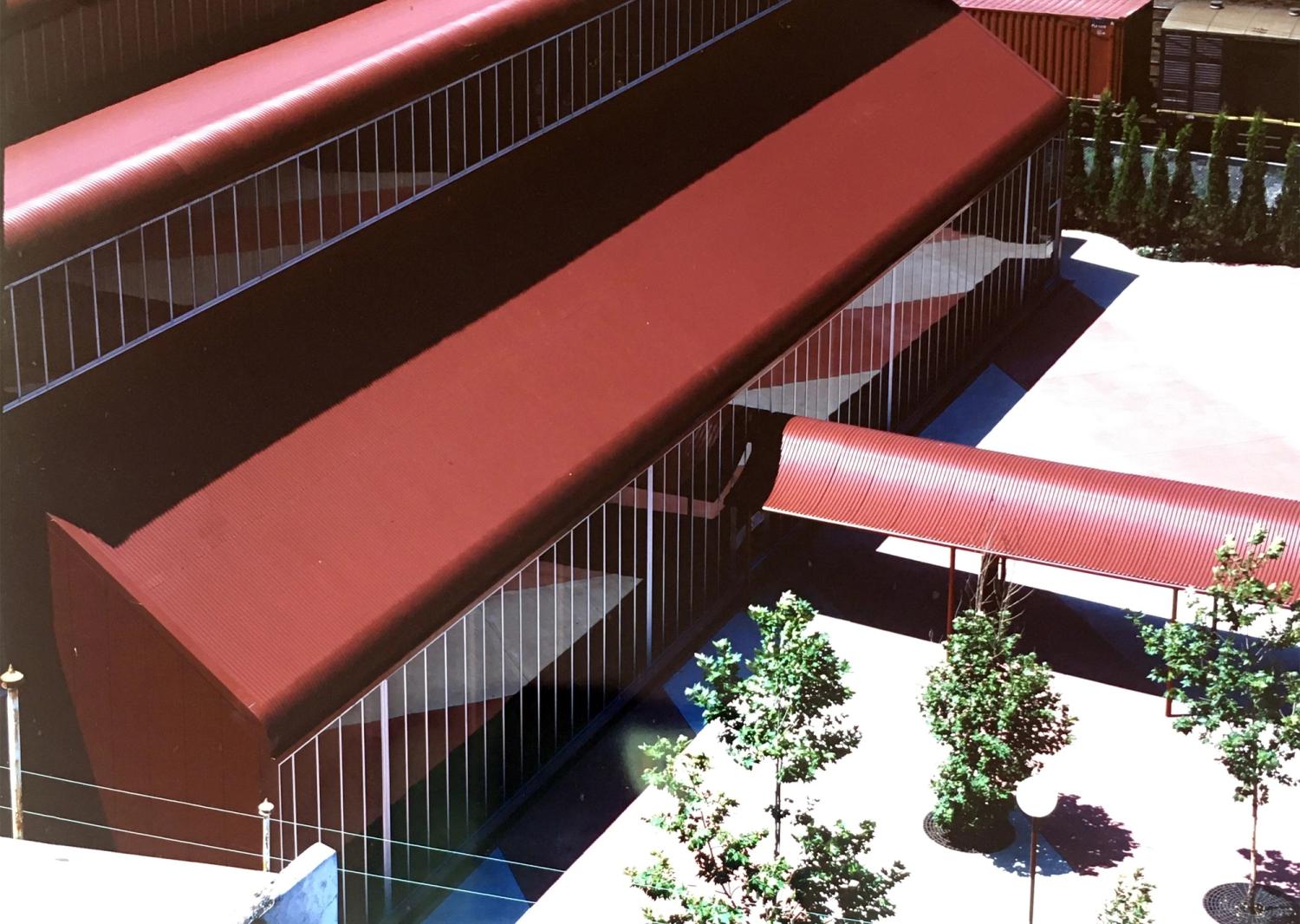
This architectural detail of the exterior of the Powerhouse Museum, designed by architect Lionel Glendenning, was taken in October 1993. It was shot in the forecourt of the museum when the archway was painted yellow and the details were blue, it is now all white. This is a simple graphic image using colour and shape to accentuate the design of the building. The museum is an interesting place to experiment with architectural photography with its combination of shapes, lines and long corridor at the side. Sometimes it is the smaller details of a building not usually noticed until you look through a lens and isolate the sections that can have great impact in an image. This was photographed with a medium format camera using colour transparency film, before we went digital. The film had an ISO rating of 50 with qualities of extremely fine grain, saturated colours and sharpness. We no longer shoot anything with film, all our production is digital. We use a medium format camera in the studio with a digital back and shoot the majority of our location work using the digital 35mm gear.

File#00221596

Photography by Jane Townsend
License: Creative Commons Attribution-Noncommercial-No Derivative Works 2.0

Rocks at Broken Hill


A museum photographer was sent to Broken Hill in 2006 to scan the Albert and Margaret Morris collection of glass plate negatives that are now featured in the travelling exhibition Greening the Silver City: seeds of bush regeneration. The plates are beautiful black and white images of flowers and the surrounding landscape of Broken Hill. His wife Margaret then hand painted the negatives in colour.

The Barrier Field Naturalists’ Club and Broken Hill City Library invited the museum to Broken Hill to scan this beautiful collection. It was during this trip that the photographer was able to take some time to photograph the surrounding landscape. This image was taken in the area known as the Living Desert which is 2400 ha, located north of Broken Hill. This is a 6km predator-proof fenced area which was established in 1991 by the Broken Hill City Council. Greening the Silver City: seeds of bush regeneration will be at Mount Tomah Botanic Garden from 3 May – 19 June 2008.

50 more images added to the Commons on Flickr


With over 35,000 views the Commons project on Flickr is going really well. We have been very impressed with the information about the images and the quality of the tagging. Yesterday we released an additional 50 images which includes some rural scenes, Blue Mountains, Neutral Bay, Lane Cove River and Kosciosko. This image Weeping Rock, Wentworth Falls is one of the images we released yesterday. Weeping Rock is a rock waterfall formation at the top of Wentworth Falls in the Blue Mountains.

No known copyright restrictions

Palm leaf


This fan palm was photographed in Coffs Harbour whilst out on location shooting for the Indigenous women’s exhibition Yinalung yenu: women’s journey. It was not intended for the exhibition rather documented at the time due to its interesting shape and graphic qualities. Upon researching which type of fan palm it is, we discovered that there are various palms that have this description and that these leaves are referred to as palmately, which means radiating out from a certain point. According to Wikipedia there are over 2600 species of palms. If you know which palm this is we would love you to comment.
File #00z25136.

Photography by Paula Bray
License: Creative Commons Attribution-Noncommercial-No Derivative Works 2.0

Looking through the keyhole into life in space


This view was taken from inside the Space Shuttle replica, looking into the Space Station Habitation Module. The museums Hab Module was based on an early prototype for the living quarters of the International Space Station. Although the module it represents has now been deleted from the ISS design, the Hab Module exemplifies many aspects of living on board the International Space Station. When this image was taken, the module had been partially stripped for repainting. It has now been refurbished with new graphics and labels reflecting the current status of the ISS. How Stuff Works has an interesting article on Living and Working Aboard the ISS.

File# 00z26263

Photography by Sotha Bourn
License: Creative Commons Attribution-Noncommercial-No Derivative Works 2.0

Highlight from the Commons on Flickr


This image H.M.S. ‘Undine’, Fort Macquarie, Sydney is from our set on the Commons project on Flickr. We have not been able to fully catalogue this record yet but due to some great investigative work from another member it has been noted that there were three ships named H.M.S. Undine in the Royal Navy. It has also been noted that the white ensign of the Royal Navy is visible and that this photo was taken between 1881 and 1888.

No known copyright restrictions

Anzac Bridge


This bridge, formerly known as the Glebe Island Bridge, was renamed on Rememberance day in 1998 to Anzac Bridge in memory of the Australian and New Zealand Army Corp. To commemorate this there was an Australian flag placed on top of the eastern pylon and a New Zealand flag on the western pylon. At the western end of the bridge is a bronze memorial statue of an Anzac soldier that was placed there on Anzac day in 2000. Sydney Architecture has this image of the statue.

This was initially photographed for the publication Paradise, Purgatory and hellhole: a history of Pyrmont and Ultimo.

File #00z03717

Jean-François Lanzarone
License: Creative Commons Attribution-Noncommercial-No Derivative Works 2.0

Pyrmont incinerator


This exterior shot of the Pyrmont incinerator was photographed for the exhibition Beyond architecture: Marion Mahony and Walter Burley Griffin. The Pyrmont incinerator, designed by Walter Burley Griffin and Marion Mahony Griffin, was built in 1934 in the heavily industrialized site of Pyrmont. It was a very modern looking structure, cubist in nature with highly decorative features that you can see in this photo. While initially no one wanted the structure to be built it ended up becoming a building of international, architectural significance due to the strengthening reputation of the architects. Unfortunately this was not enough to keep it from being demolished in 1992. We were lucky enough to photograph the incinerator for the exhibition leaving us with photographic documentation of it’s existence. City of Sydney has an historical photo of the incinerator in its archive.

File no. 00213328

Photography by Penelope Clay.
License: Creative Commons Attribution-Noncommercial-No Derivative Works 2.0

Australian sheep


A museum photographer took this image whilst shooting on location in Narrromine, New South Wales. You can see from this image the great fleece that is produced by Australian sheep. The Australian rural landscape is perfectly suited to producing wool with approximately 70,000 properties dedicated to this major industry. The majority of sheep in Australia are pure merino which are known for producing fine wool and Australia has become the world’s leading producer of this type of wool. Australian Wool Innovation Limited has facts about Australian wool.

This year the museum exhibited Fashion from fleece: 200 years of Australian wool in fashion. It looked at the journey of the Australian merino from the pastoral boom to the high-tech fabric innovations of today.

File no. 00223729

Photography by Andrew Frolows.
License: Creative Commons Attribution-Noncommercial-No Derivative Works 2.0

50 more images added to the Commons on Flickr


We have released an additional 50 images this week to our set on the Commons project on Flickr. There are now 300 images in our set and we are receiving some fantastic information from other members.

This image, Sydney Harbour from R.Y.S. grounds, Kerry and Co., Sydney, c. 1884-1917, is one of the images we have added this week. It shows Sydney Harbour from the Royal Sydney Yacht Squadron grounds at Kirribilli. The men and women dressed in hats are relaxing on the waterfront looking at the numerous vessels on the harbour including a large three-masted barque.

No known copyright restrictions

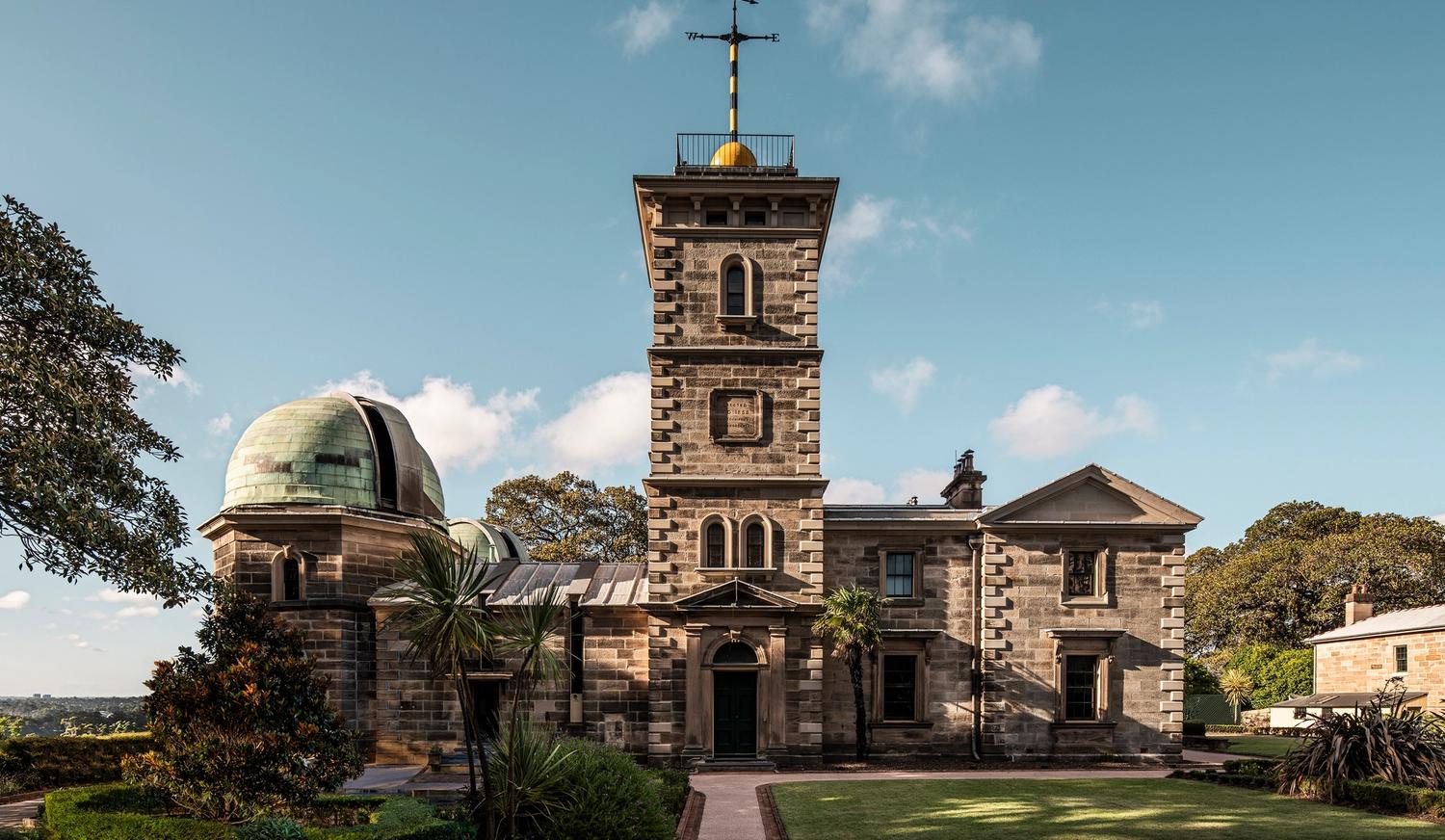
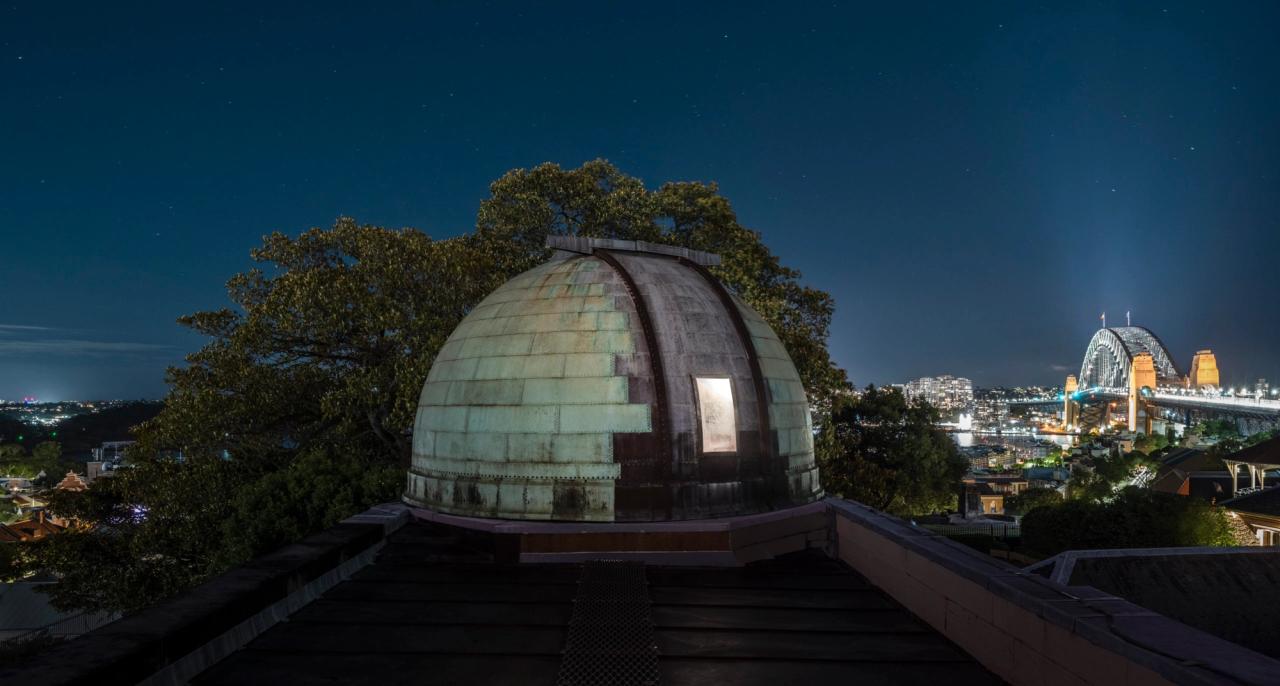
Time ball, Sydney Observatory


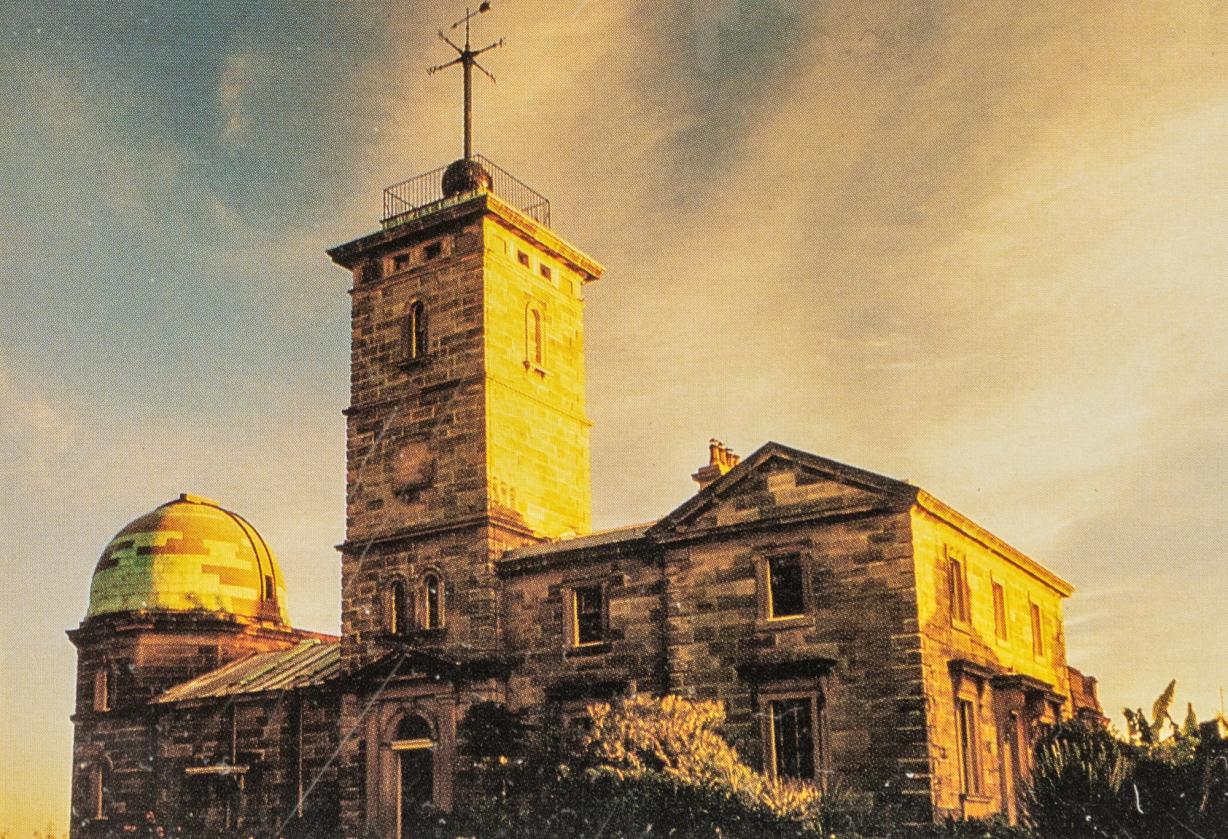
This photograph was taken from a low angle using a fish-eye lens. The low angle view makes the time ball look important in relation to its surroundings and distorts the view, making everything in the frame appear slightly curved. Fish-eye lenses were originally used for meteorology and astronomy and became extremely popular soon after for any form of photography due to the distortion the lens produces. Focal lengths can vary and therefore the distortion can be very dramatic or slight as in this shot. The focal length in circular lenses is usually between 8-10mm and 15-16mm for full frame lenses. For more shots taken with fish-eye lenses have a look at this selection on Google Images where you can see the difference between the circular and the full frame lenses.

Plans for Sydney Observatory began as a simple time-ball tower, to be built near the signal station. Every day at exactly 1.00pm, the time ball on top of the tower drops to signal the correct time to the city and harbour below. The original purpose of the time ball was to provide the time to ships in Sydney Harbour. The ball was first dropped on 5 June 1858 and has been dropped regularly ever since. The Observatory will celebrate its 150th anniversary in June.

File # 00218314

Photography by Marinco Kojdanovski.
License: Creative Commons Attribution-Noncommercial-No Derivative Works 2.0

Highlight from the Commons on Flickr


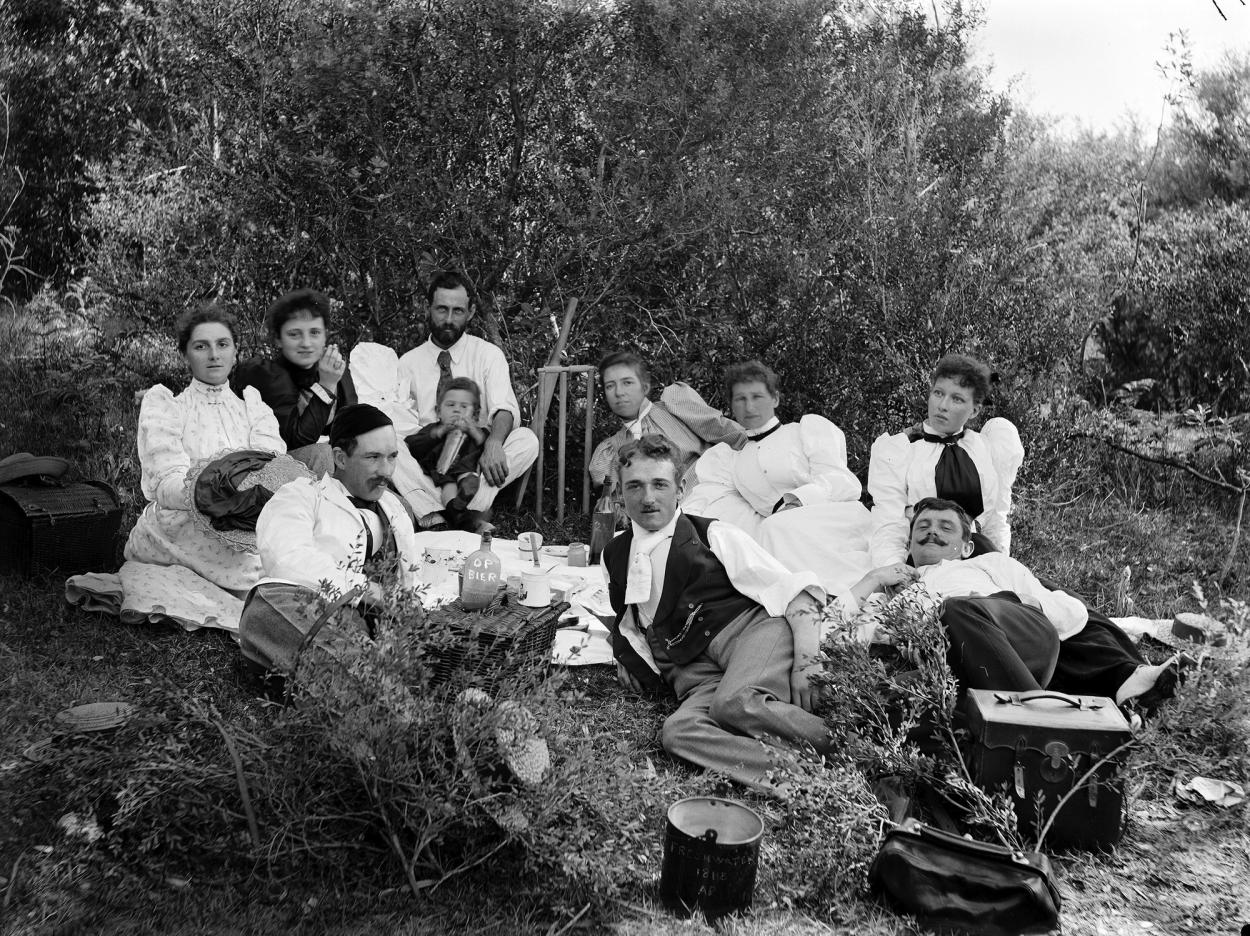
Woman inside a settler’s hut, Sydney, Australia, c. 1880-1923. This image is currently receiving the most views from our set on the Commons project on Flickr. This great initiative is about releasing publicly held photographic collections to the community and encouraging interaction through tagging and comments. This image has not been fully catalogued in our collection management system so any additional relevant data we can collect from the community can be fed back into our collection records. This week we have released another 50 images to the Commons project.

No known copyright restrictions.


500 Harris Street Ultimo, PO Box K346 Haymarket, Sydney NSW 1238, Australia.
NSW Government | About this website | Privacy statement

all contents © copyright Powerhouse Museum
Powerhouse Museum collection index