

Powerhouse Museum - Home


Back


ecologic
tree icon
Visiting EcoLogic EcoLogic Online Teachers & Students EcoLogic Resources Contact  

City living

Cities are centres of culture and employment that are home to more than half the world's population. It is no surprise that they dominate national and global consumption. A city sucks in vast resources from the surrounding countryside to support its population. It also emits wastes. Every one of us adds to the environmental impact of the city we live in.

Clever design and good urban planning create efficient transport systems and desirable, functional spaces for living, working and playing. (See design for the


Housing

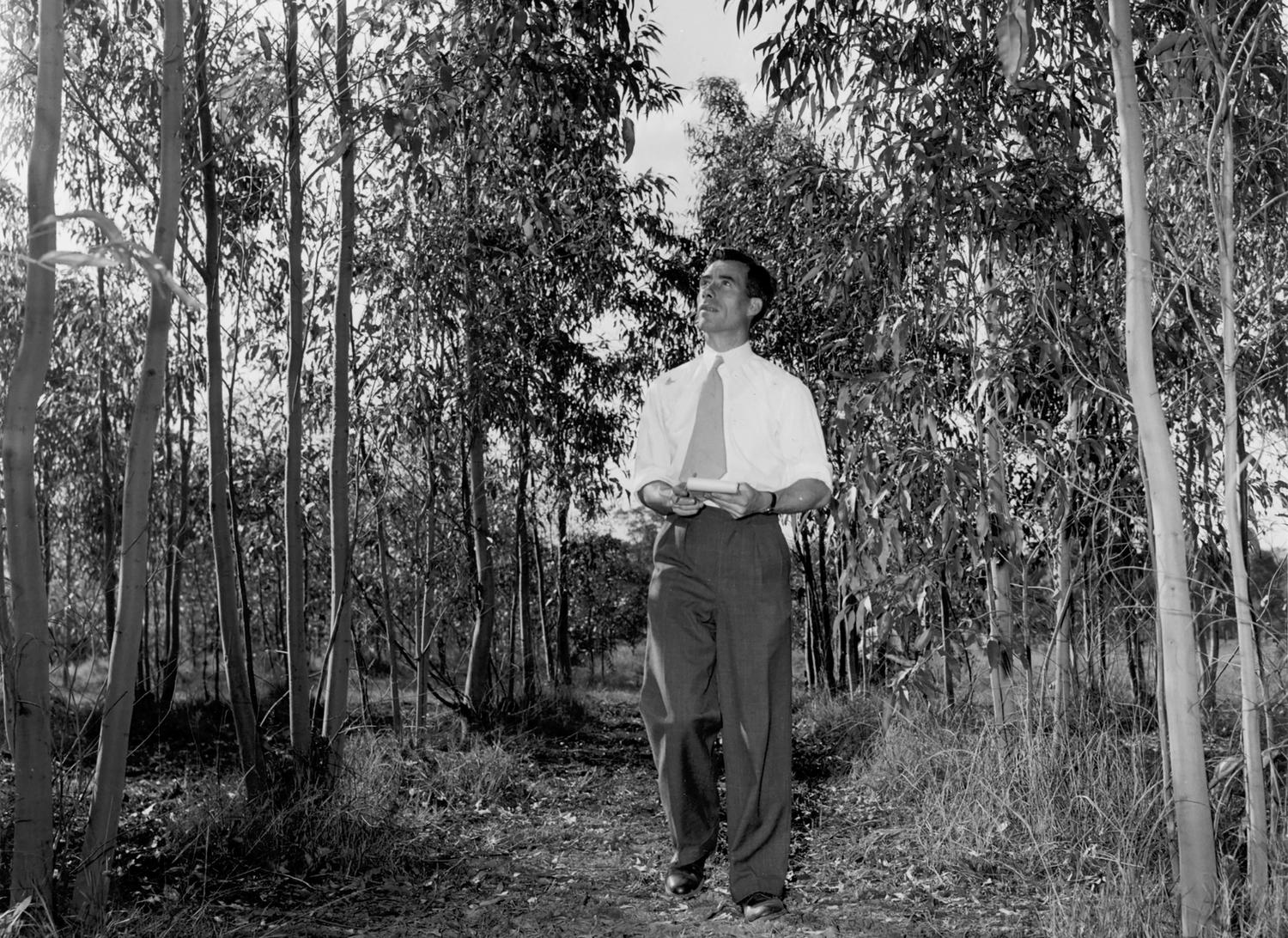
Gabriel Poole


I believe that our profession does have a deep social responsibility. That as architects that if we house our people better we will grow better people.

Gabriel Poole (pictured), Sydney Design Week2000 lecture at the Powerhouse Museum
Photo by Powerhouse Museum (Sue Stafford)


Gabriel Poole designs low cost, energy-efficient housing (see below). By paying attention to airflows and local environment, he works with rather than against the environment. His unconventional, but highly effective, designs have won him the gold medal from the Australian Institute of Architects. Usually Gabriel designs for a Queensland climate using lightweight materials, he has also designed some houses for a cooler Sydney climate.
Photos by Powerhouse Museum (Jean-Francois Lanzarone)

energy-efficient housing energy-efficient housing

Products and services used in the exhibition Ecologic
There is broad range of products and services in the market that incorporate ecological design principles

Sustainable cities

A sustainable city has a variety of transport forms; a mix of high, medium and low-level housing; and manages waste, energy and water efficiently. We need to design for the values of the community, fresh air, ease of access, heritage, urban economy, affordable living and work.


Home units

Home units can be water and energy efficient. Waltcorp's design for apartments has five-star energy ratings. Ceilings and walls are insulated with recycled or recyclable materials. Great attention has been paid to ventilation. Shutters on verandas give privacy and insulation but also allow breezy natural air flow when needed. Courtyard ponds cool the area around the buildings and rainwater is collected and stored for use on the gardens.

Photos by Powerhouse Museum (Jean-Francois Lanzarone)


Transport

The ECOmmodore Cars remain the most popular form of transport in cities. They are less polluting than they used to be, but there are more of them. Freeways have not solved traffic congestion. And in burning fossil fuel, cars emit large amounts of CO2. Provision of effective, efficient, safe public transport and cars no longer reliant on fossil fuels are the only way cities will reduce the burden of pollution and congestion.
The ECOmmodore (photo courtesy of Holden Ltd)  

Based on the Holden Commodore, the ECOmmodore is the first hybrid petrol-electric vehicle to be made in Australia. Its development is part of Holden's preparation for change, as petrol becomes scarcer and more expensive. The ECOmmodore features:

  • 95 kW 2.0 litre 4 cylinder engine, and 50 kW CSIRO electric motor/generator
  • Energy-storing super capacitors, developed by CSIRO, provide bursts of power.
  • On braking, kinetic energy (normally lost as heat) is converted to electric energy.
  • Weight is minimised by using aluminium flooring, carbon fibre and fibreglass panels, and polycarbonate side and rear windows.
  • The five CSIRO lead-acid batteries weigh 300kg less than others of the same capacity.


Design and industry
A sustainable world can be one brimming with business opportunities. It will necessitate changes in the way we produce and consume things. We will need to recapture materials from the waste stream, retrofit buildings and vehicles with materials and technologies and continue to generate more economic value by selling information and services. Many industries such as The Body Shop, Fuji Xerox, Interface Carpet and Phillips are moving on this potential development area.

Dan Godumunne toner cartridges toner cartridges

Dan Godumunne (pictured), of Fuji Xerox Australia's Eco-Manufacturing Centre, knows that what's good for the environment is also good for business. In 2000 the centre saved $25 million by remanufacturing and reusing toner cartridges and computer chips. The remanufactured parts are sold with warranties and last as least as long as the originals. Fuji Xerox has reduced the volume of waste sent to landfill by 90%. It has also developed the Office@care program that is a step-by-step guide to energy conservation and waste minimisation. Photos by Powerhouse Museum (Jean-Francois Lanzarone)