The annual vintage Taralga Machinery rally

The Taralga Machinery Club ran its annual vintage machinery rally on the weekend of 21st/22nd November. Despite the sweltering heat of 40′, over 900 people turned out to see the impressive exhibition of machinery. There were dozens of steam engines, stationary engines, tractors, models and a shearing demonstration. Because of the fire ban, no steam engines ran, but tractor engines were used to demonstrate some of the machinery in action.

A wheat thrasher

A wheat thrasher

This machine takes the stalks of wheat and seperates the heads from the hay. The residual hay is then bailed by the machine pictured below.

The bailer compressing the straw

The bailer compressing the straw

A Southern Cross portable steam engine (horse drawn)

Portable Southern Cross steam engine (horse drawn)

Also included in the display were models of steam engines from the Powerhouse collection.

A hand-made steam locomotive model made by A. Cardew. B2080

A hand-made steam locomotive model made by A. Cardew. B2080

Toys from a different era - cast lead farm animals

Toys from a different era - cast lead farm animals

A shearing demonstration powered by a tractor engine

A shearing demonstration powered by a tractor engine

All is not lost – using digital photography to recover daguerreotypes

One of the TAM projects has been condition reporting, treating and re-housing the Early Photographs Collection of Daguerreotypes and Ambrotypes.

The daguerreotype was one of the earliest forms of photography. It is a permanently fixed, mirror-like silver image on a polished copper plate. By adjusting the angle it is held by, you can see a positive or a negative image, or it can appear like a mirror. It was a one-off and very delicate – the image can be destroyed by touch.

The daguerreotype was encased in an enclosure made from a variety of materials – glass, wood, leather, textile and paper. These materials all deteriorate differently and may also interact deleteriously with each other. This means that there is no perfect way to treat and store the whole object.

This 1850s daguerreotype of Melbourne had been dismantled previously. It was in pieces and very dirty. The image was very faded and difficult to decipher either with the naked eye or normal photography.

The daguerreotype held at an angle that reveals the positive image.

The daguerreotype held at an angle that reveals the positive image.

Conservator Rebecca Main removed the glass, matte and daguerreotype plate from the case and cleaned them. Because the daguerreotype itself could not be touched, the loose specks, dust and pieces of grit were removed by blowing on it with a photography dust blower.
The cleaning made the image a bit more readable, but it was still very faint to the eye. While cleaning it had become apparent that the negative image was sharper, with much more visible detail than when viewed as a positive.

Cleaning the daguerreotype metal plate.

Cleaning the daguerreotype metal plate

PHOTOGRAPHY
The uncovered, cleaned image was then re-photographed by photographer, Chris Brothers. The previous photos had been of the plate as a positive image, this time it was done as a negative image. The plate was held at different angles by Rebecca until the image was at its clearest. Chris took photos of the plate in sections, with a flat softbox light almost directly behind the photographer, making it possible to capture the negative image. Taking photos of the daguerreotype in sections allowed for much flatter and consistent lighting as well as improving the quality and details.

Bottom right hand corner of the daguerreotpye when viewed at a negative angle.

Bottom right hand corner of the daguerreotpye when viewed on a negative angle

Using the Photoshop computer program, the different images were composited –stitched together and inverted to create a new positive image. This revealed far more of the original detail of the daguerreotype.

The combination of conservation treatment, digital photography and image manipulation made it possible to retrieve visual information which had appeared lost when the object was examined by a conservator in 1983.

The composite image reveals much more than the actual positive image.

The composite image reveals much more than the actual positive image

The reassembled object is stored in a clamshell box. The box is constructed from acid free mountboard containing Zeolites or molecular traps. If there are chemicals given off from the daguerreotype or it’s enclosure materials, they will be absorbed by the zeolites. This will create a more neutral micro environment that will help stabilise the object.
Because the photoshopped image contains far more easily visible information, the actual object can safely remain in storage, and the digital image can be used as a research resource.

Creating simple wigs for display

Ever since the Powerhouse Museum opened in 1988, curator, Lindie Ward and textile conservator, Suzanne Chee have been making simple paper wigs for the museum’s mannequins. The wigs they have created are mimimal and they enhance rather than detract from the dress on display. Yet, with a few strips of carefully cut and placed paper, they have been able to suggest what hairstyle was worn in the period when the dress was in fashion. The strips of paper are attached to the mannequin’s head with archival double-sided tape. It is a very effective way of creating the correct era for a dress.
Recently, Suzanne Chee gave a workshop to the Encore Historical Costume group in St Marys. The dozen participants found it very interesting. We will soon write an information sheet with photos demonstrating how to do this technique.

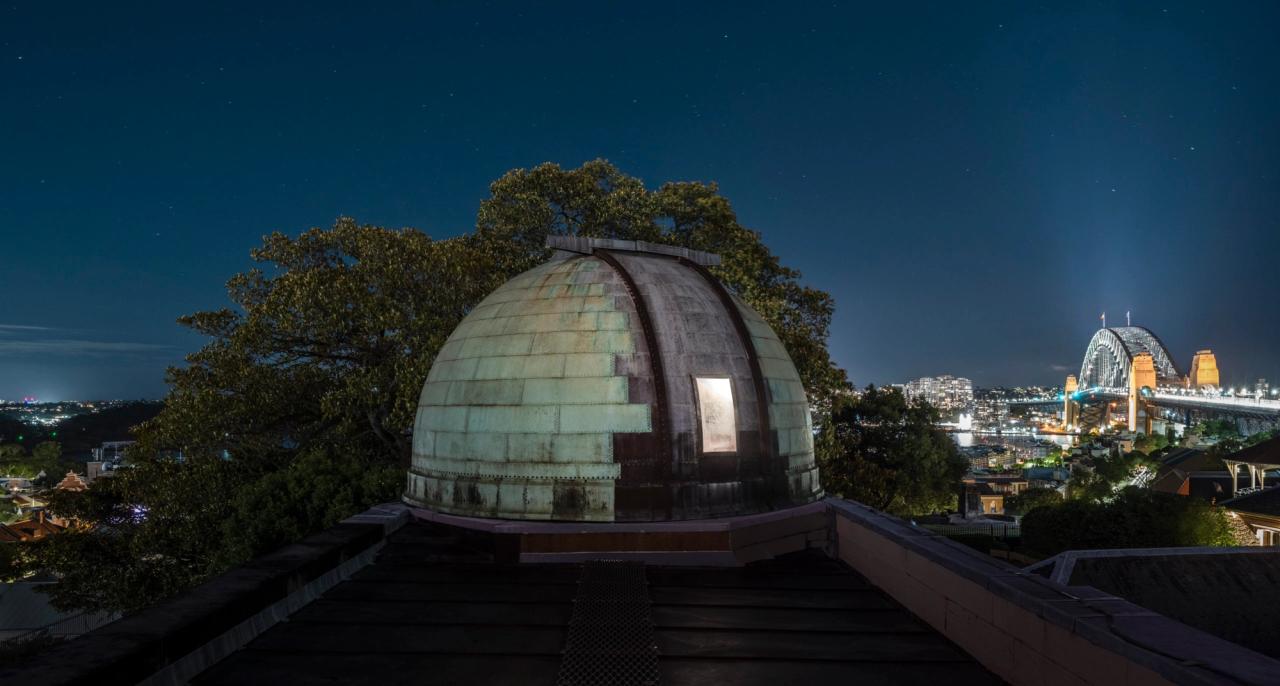
The Hugo Schroder Telescope

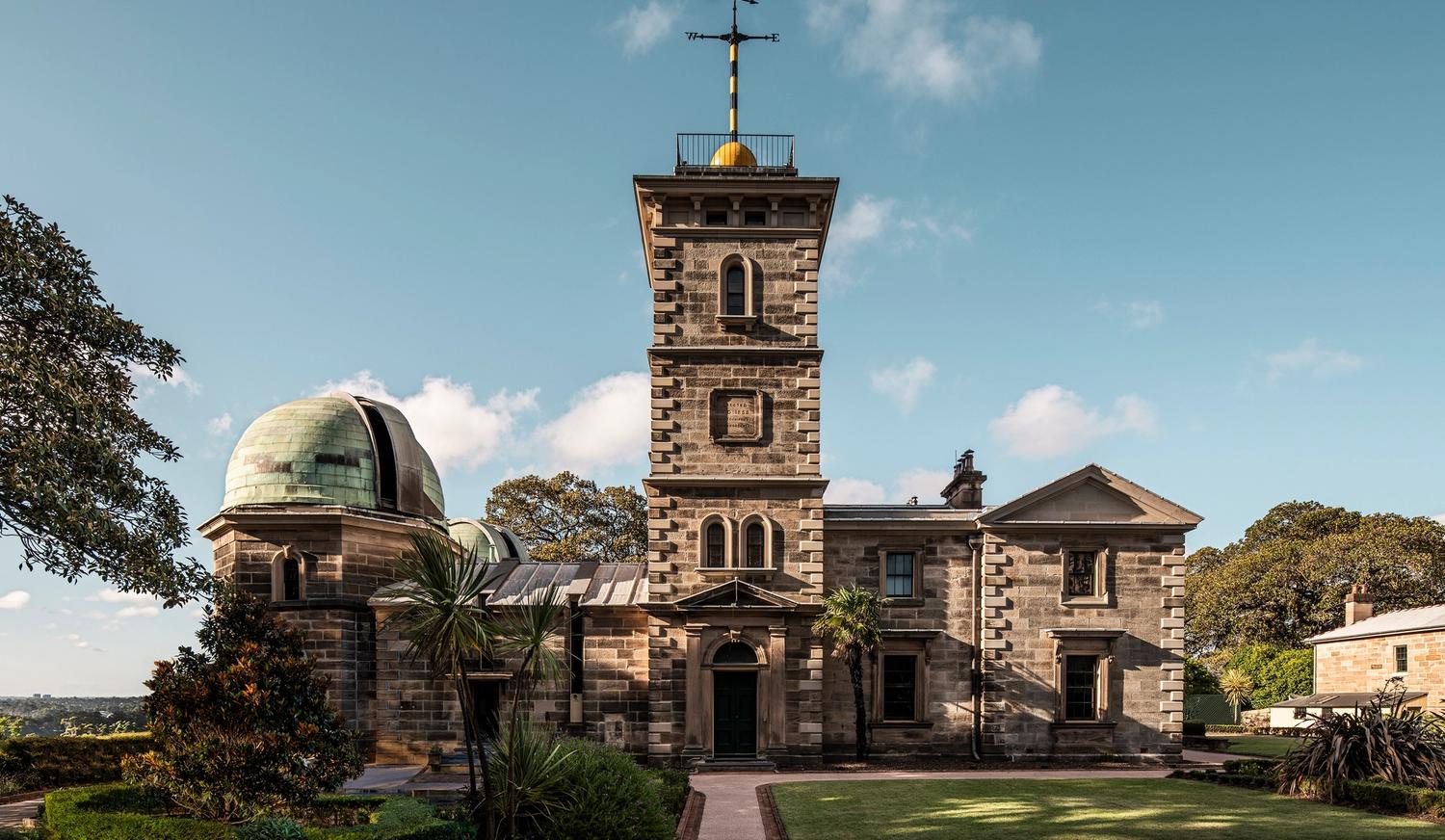
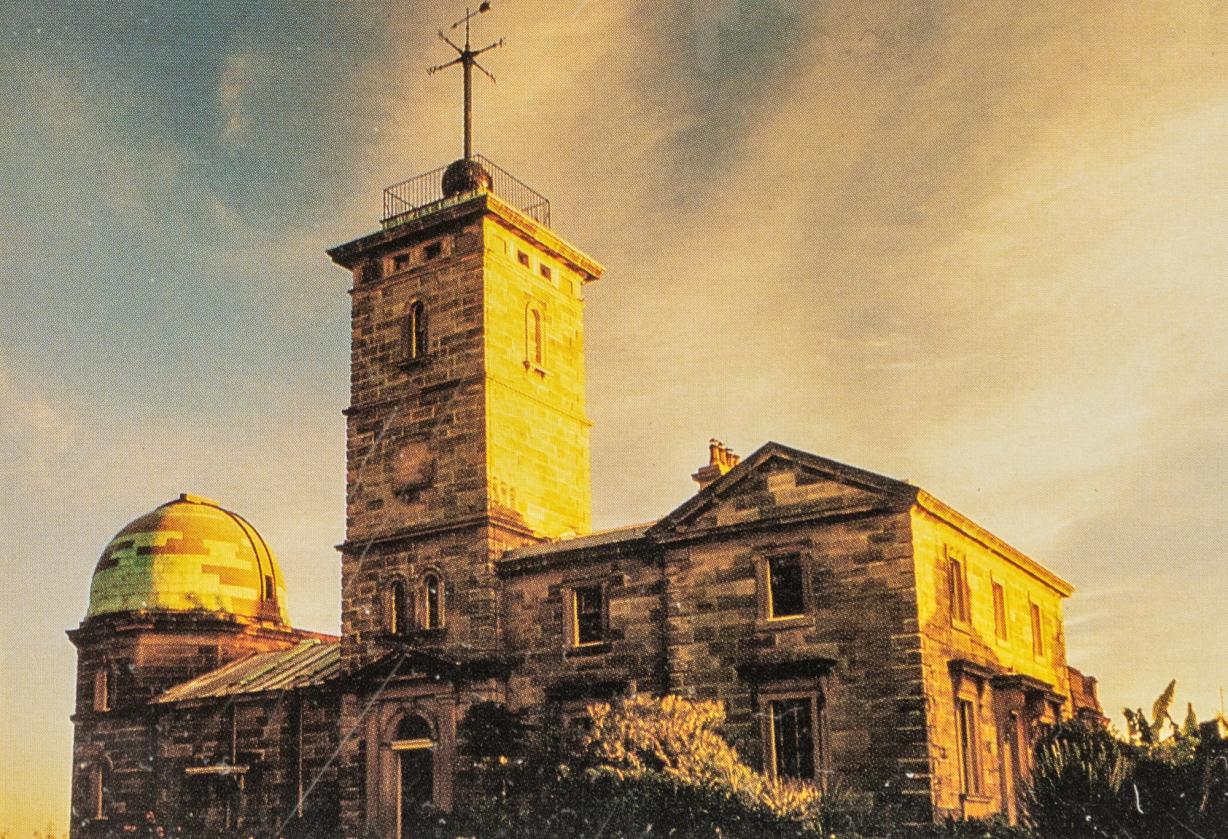
A major project to overhaul the Observatory’s 11.5″ Schroder Telescope has been recently completed. It coincides with the 150th anniversary of the Observatory this year. The key aim was to return the telescope to its 1880s appearance and configuration. New operational and maintenance plans have also been developed.

The telescope has been well maintained as an operating instrument of the Sydney Observatory. It was painted the same colour grey as the other operating instruments at the Observatory during the 1960’s and 70’s. The telescope is now classified as one of the museum’s A category objects used to demonstrate observing technology of the 1880’s.

005327082.jpg

The project started in April when the main lens, earpiece, focusing assembly, the sighting scope and the other brass components were dismantled and brought back to the Museum’s conservation workshop.

00552540.jpg00552555.jpg

Damaged lacquer and corrosion were removed from these brass components, which were then treated for chlorides and coated with a clear protective lacquer.

005536931.jpg

The optics and the telescope drive were carefully dismantled, cleaned and realigned ready for installation.
A new eye piece was modified to fit the telescope as the original eye piece was too damaged to be dismantled and realigned.

005529481.jpg

Original areas of paint on the telescope tube and pillar were identified, samples taken, colour matched and documented.
The telescope tube and pillar were then painted in their original colours (Bristle Green and Monarch Red) in a readily available paint system which can be easily maintained.
The Telescope was reassembled and on display for the Observatories 150th Anniversary weekend and is again part of the Observatories public viewings and programs.

00555724.jpg

The conservation work was undertaken by conservator Timothy Morris with assistance from conservator Skye Mitchell and registrar Carey Ward.
Images were taken by conservation photographer Cris Brothers

Preserving the Ruwald Collection

We have received funding for a four year project called TAM –Total asset management). The project focuses on our collection, rather than on exhibitions. The objective is to preserve, document and manage the collection so that it can be made more widely accessible.

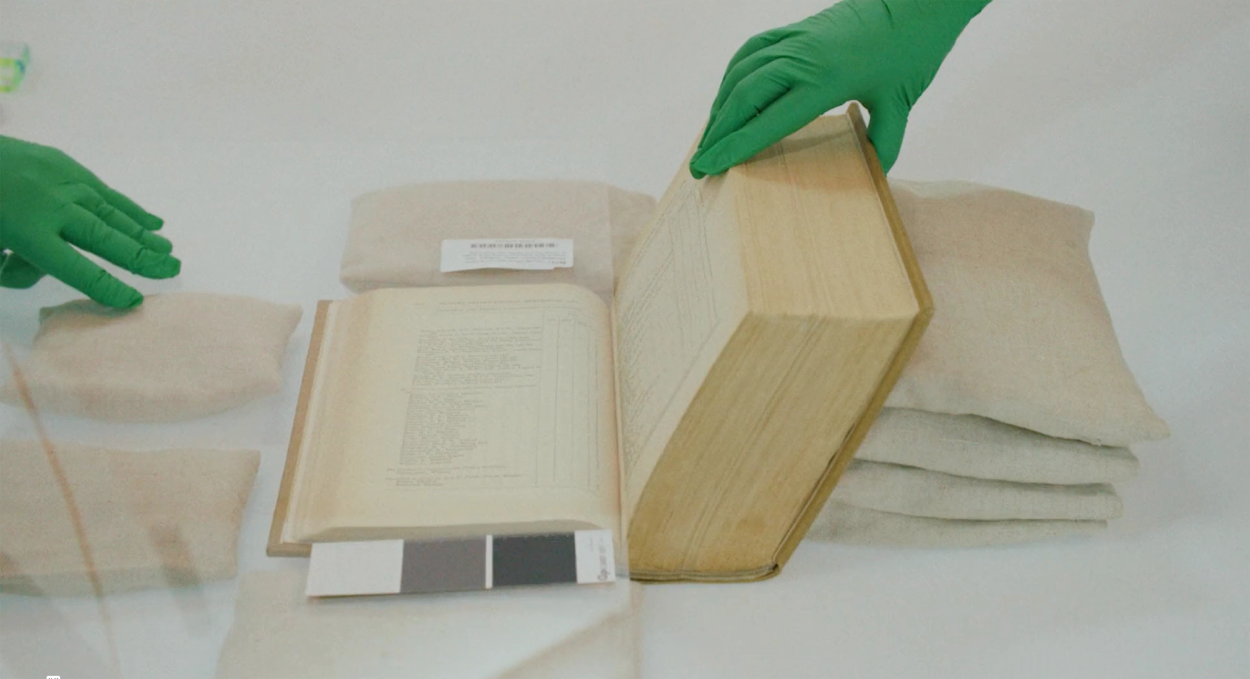
One component of the project that is nearing completion is the rehousing of the Cyril Ruwald Collection. It consists of 1424 architectural plans and drawings including – diazo prints, pencil and ink drawings, blueprints, negative photo-prints and monochrome photographs.

Cyril Christian Ruwald (1895-1959), was one of several architects who designed hotels for Tooth & Co during the 1930s and 1940s. He was instrumental in adapting the streamlined horizontal look of European modernism to hotel design. The collection is regularly viewed for research.

005527794.jpg

The project involved the following steps:
Step 1: Rehousing – the collection, donated to the PHM in 1990, was originally housed in four large storage boxes, with 350 items per box. It was in poor condition overall primarily due to poor storage.

Step 2: Photography – digital conservation photography of the Ruwald collection has now provided greater access to conservators, staff and clients. Conservation photography clearly documents all aspects of an object so that conservation staff can accurately report its condition. With items from this collection, photographs are taken of the front and back of each, and prints are made of those requiring conservation and condition reports, as well as after-conservation shots.

005537043.jpg

The images were shot with a Canon 30D, EF 28-135mm lens and Elinchrom soft box studio lights. Studio lights are set at 45 degrees and equidistant from the subject, to provide flat and even illumination. Digital RAW originals of each of the images are kept, then using Photoshop CS3 they are resized to Jpgs and the object identification number is added to each image, for Uploading to our Collection Database K-EMu.

Step 3: Preservation- the individual requirements of each item were assessed and more fragile items, including blueprints, and drawings on tracing paper etc are interleaved with archive text, placed in Mylar sleeves or supported with archival backing boards as required.

A condition report is written for each item and the photographs are annotated to indicate areas of damage and deterioration. Drawings treated so far have had large tears, missing pieces, been stuck together, and tackiness and staining from adhesive tape. The drawings on tracing paper have been the most fragile and damaged.

They were carefully separated from each other and from any interleaving tissue between them. Tape, staining and tackiness, and fragments of paper from other drawings were removed by swabbing with a cotton bud with petroleum spirits and lifting off with a scalpel. Fragments of paper were matched with holes and gaps in the drawings. Creases and folds were removed one by one by swabbing with a cotton bud dampened with di-ionised water, burnishing with a bone folder over a piece of Mylar, and pressing under weights.

Tears were repaired and missing pieces of paper re-attached. Tracing paper is a difficult material to work with because it cockles when it is wet, so two methods of sticking the paper together have been tested – dryish starch paste and Japanese tissue, or small strips of heat set tissue. The first method seems the best – it is stronger, despite the threat of cockling, and the heatset tissue does not stick as well to the tracing paper, so the first method will be used for future repairs on this collection.

005522922.jpg

The Ruwald collection has now been relocated to a new 23 drawer storage cabinet designed specifically for the flat storage of plans and drawings. The cabinet, made of zinc coated steel finished with a high quality powder coating has perforated drawers allowing for ventilation of the works.
It is hoped that with the photographs available on K-EMu, there will be less need to access the original drawings, reducing wear and tear on the original objects.

005522854.jpg

Following in the family tradition, Cyril Rouald’s grand daughter, Monica Earl, a Sydney Uni architecture student, recently won the Australian Institute of Architects NSW Design Medal for her redesign of Belmore Park.

Changing preservation practices

Tim Morris, conservator metal and small technology, is currently working on a model that demonstrates a principle of physics. It was conserved in 1986 using products that would be used if it was to be operated on a regular basis. These products were designed for optimum operation of the object, not necessarily for the longevity of the object. This approach was best practise at the time.

Tim cleaning
Object 86/612

Conservation trends have changed since then. We do have operational objects at the Powerhouse Museum such as steam engines and musical instruments. However, most that were once operational have been ‘mothballed’ so they do not sustain further damage.

The products used in the early treatment of this item were not inert. The grease has acted as an electrolyte and has caused the brass to dezinc, observed as the green colour on the object in the photo.

Tim dismantled the object and took samples of the grease and tested it for chlorides. Fortunately the tests were negative. A positive result for chlorides would have indicated the grease had chemically bonded to the metal and would require vigorous treatment. However in this case, the remaining grease was then removed with solvents, detailed photos were taken of the corrosion, and the corrosion was reduced mechanically.

The object was reassembled and lubricated using a medical (archival) grade petroleum jelly. This will protect the moving parts but will not harm the metal. The object can occasionally be used for demonstration.

Investigating our plastic collection

During the period 1929-55, the museum director Arthur de Raymond Penfold became fascinated by a new material called plastic and stated:
˜The way they stirred the imagination of the public is as much a marvel as the wizardry of the modern organic chemist who gave us the great invention.

Investigating our plastic collection
Object H4146-16

The Powerhouse Museum has a wonderful plastic collection which also includes some of the raw materials for plastic fabrication. We have started a preservation research project this year to analyse and identify the types of plastics collected during this period. We plan to identify the composition of each object.

Our analysis is being carried out using a Fourier Transform Infrared Spectrometer (FTIR). When infrared radiation interacts with matter it can be absorbed, causing the chemical bonds in the matter to vibrate. Chemical structural fragments within molecules are known as functional groups. Each functional group absorbs infrared radiation in the same wave-number range regardless of the structure of the rest of the molecule. For instance, the C=O stretch of a carbonyl group occurs at ~ 1700cm-1 in ketones, aldehydes and carboxylic acids.

Spectrum showing Carbonyl group position at ~ 1700cm-1

This means there is a correlation between the wave-numbers at which the molecule absorbs infrared radiation and its structure. This correlation allows the structure of an unknown material to be identified by comparison of the infrared spectrum of that material to spectral libraries of known materials.

The identification of each object’s composition will help us to determine the conservation needs for each item. We will be considering factors affecting deterioration rates, storage and exhibition requirements. This analysis will increase and verify the information held in the Museum’s object collection records.

Caring for planes

We recently acquired the famous Generco Bi-plane, the only plane to have flown under the Sydney Harbour Bridge. It did this prior to the opening in 1932. The bi-plane has been stored at Wiseman’s Ferry in a hangar. The plane could not be flown onto our storage site so it had to be transported by trailer and truck. The wings of the plane had to be dissembled in the hangar and were placed in our truck. The fuselage was then attached to the trailer and moved to our storage area at the Powerhouse Discovery Centre, (PDC) Castle Hill. Once new brackets are made, the bi-plane can then be stored with its wings folded back.
plane
Object 2007/143/1

The PDC opened earlier this year and 7 ultra-light planes were hung from the ceiling in the display store. Planes are large objects that take up a lot of space, so hanging them from the roof makes a lot of sense. It saves a lot of valuable space and it allows you to see the planes from different angles. There are arguments in the museum community about strain being placed on components of the aircraft when they are suspended. One alternative is to display planes on stands. However, the stands do not support the wings and the plane still takes up a lot of room in our store. Another alternative is to display the fuselage separately to the wings. We took these points into consideration before deciding to suspend the ultra-lights.

The roof of the display store was built and certified to support the weight of the 7 ultra-light planes. With a new device called a rig-mate girder clamp, the planes could then be suspended from single hanging points anywhere in the ceiling. Six planes were hung in the display store and one was hung upside down in the foyer of the PDC.

The planes were hung with wire cables (to current Australian standards). Specifically designed brackets were made and clamped around structurally strong parts of the plane. The wire cables could then be attached to the brackets. This meant that no holes were drilled into the objects. The planes were then put in place using a block and tackle system.

The twin plank glider only needed one cable. This meant that the wings could be placed at interesting angles using cable attached to the rig-mate girder clamp.

The plane in the foyer is suspended upside down. This presented a different challenge as it was too difficult to turn a plane over once it was assembled. To prepare for hanging the fuselage was turned upside down and the wings and wheels were attached in the upside down position.

Community Activity “ The Aids Quilts Memorial Project”

Storing collections can take a lot of work. We have recently started on a storage project that will take at least a year to finish. It is a project that has come from the gay community and it involves the acquisition of 109 quilts forming part of the Australian AIDS Memorial Quilt Project. The PHM decided to acquire the collection because of its significance in the community as a memorial to those who lost their lives to AIDS. The quilts are part of the public health and medicine focus within the Powerhouse collection. The AIDS Quilt Foundation no longer had the space or resources to store the quilts. As a result a collaborative project has commenced between us and the gay community. Some community members have kindly volunteered to assist with the cataloguing of the quilts and preparing them for storage in partnership with some volunteers from the Powerhouse Discovery Centre.

quilt project

Each quilt is 3.5 m² and contains 4-10 panels. These panels were made by family and friends of people who died of AIDS from 1982 until 2003, when the project finished. This photo shows the volunteers learning our complex procedure of cataloguing each panel. After cataloguing, the volunteers will attach a Velcro hanging system to each quilt, then fold each quilt for storage. A support tray made by the volunteers of corflute, aluminium tube and queblocks joints will be used to store each quilt. We need 540 pool noodles (wrapped in cloth) to pad out the folds for the quilts. The quilts will soon be housed in our store, and be available for loan to the community.


500 Harris Street Ultimo, PO Box K346 Haymarket, Sydney NSW 1238, Australia.
NSW Government | About this website | Privacy statement

Some rights reserved Powerhouse Museum
Powerhouse Museum collection index