Parramatta Observatory - Australia's First Observatory
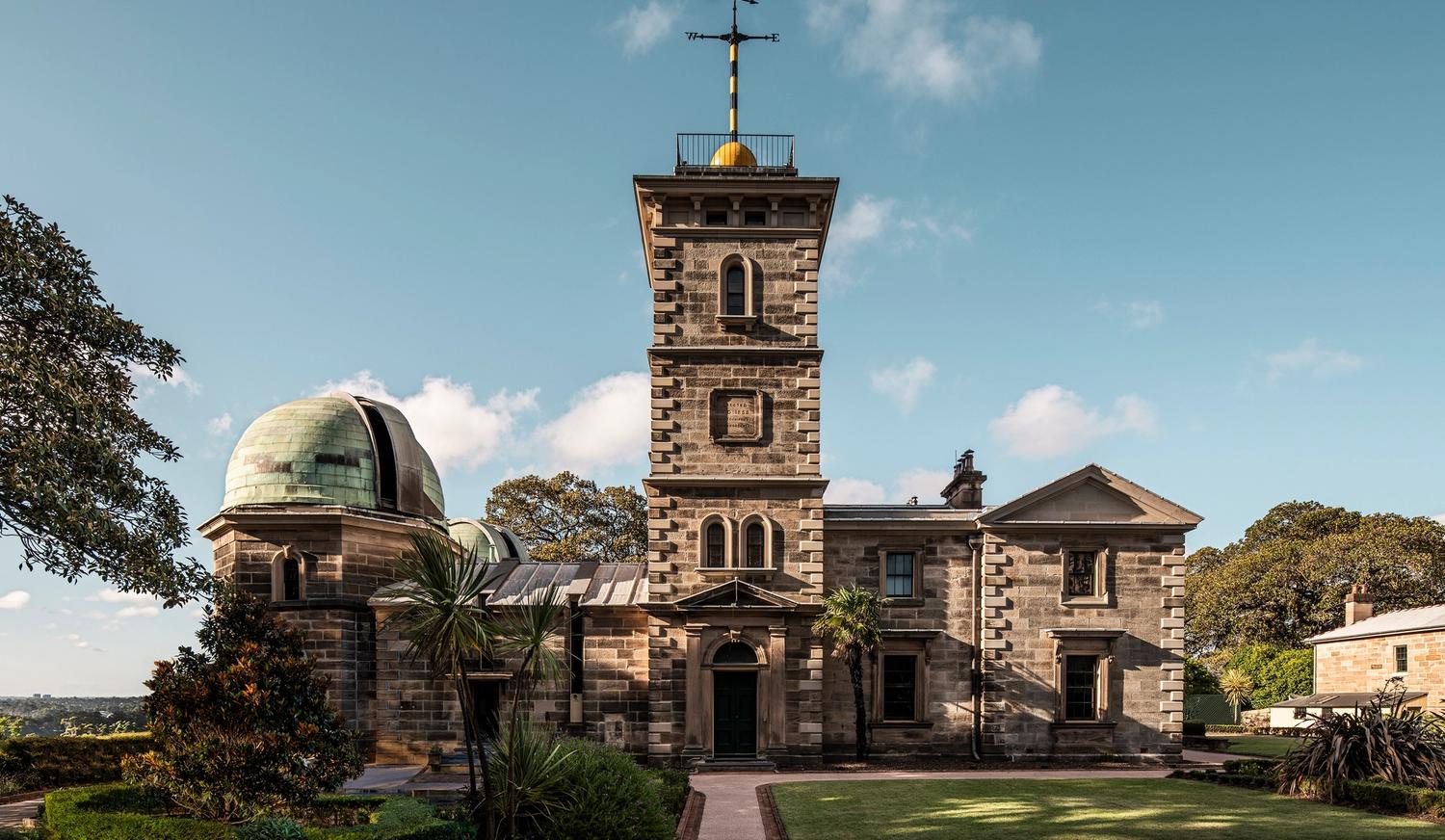
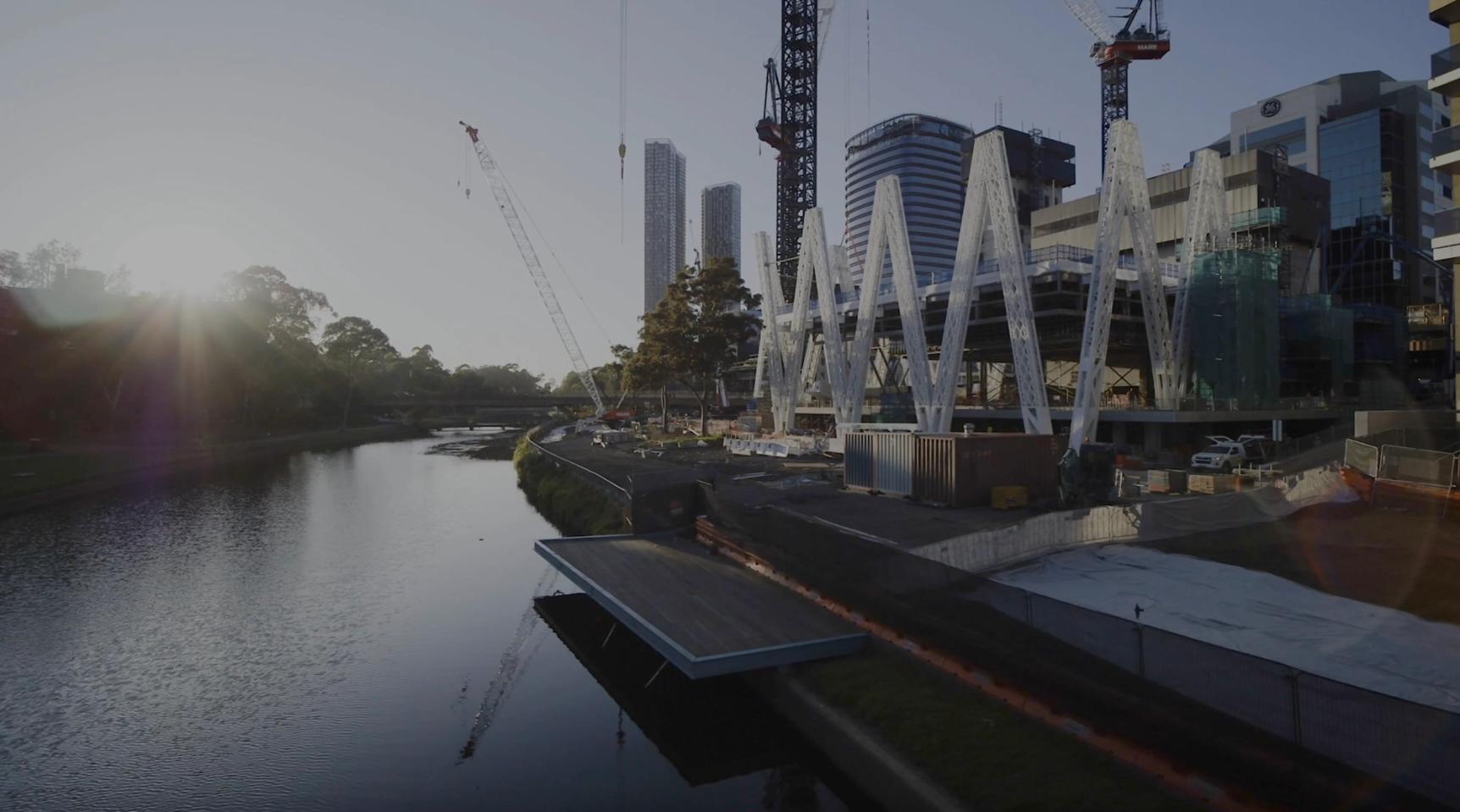
Site of the old Parramatta Observatory
In June 1847 the Colonial Government received the following report from Captain Phillip P. King on the state of the observatory established 25 years earlier at Parramatta. "Sir, we regret to state that the building is in a very dilapidated state of repair, and the instruments are likely, unless they are immediately protected from the weather, to be very much injured."
The astronomical and surveying instruments referred to by King were some of the earliest brought to the colony. Many were purchased by Sir Thomas Brisbane, Governor of New South Wales, prior to his arrival in Australia in 1821. They were fashioned by some of the leading European instrument makers of the day including Breguet, Hardy, Reichenbach and Banks.
Brisbane was a keen amateur scientist and astronomer and it is clear that he also viewed his appointment as governor as an opportunity to do astronomical work on the then little known southern constellations. Before leaving for Australia he not only purchased expensive books and instruments, he also employed two astronomers, Carl Rumker and James Dunlop, to travel with him. The instruments were initially looked after by James Robertson, a keeper of clocks and instruments who was also brought out at Brisbane's own expense.
This group arrived in November 1821 and by March 1822 an observatory had been erected next to Government House at Parramatta. They immediately set to work and by 1825, when Brisbane returned to England, many of the observations had been completed and a few papers were sent for publication by the Royal Society in England.
Upon his departure Brisbane sold the books and instruments to the Colonial Government and by 1827 these were being used by Carl Rumker who had been appointed as Australia's first Government Astronomer. Initially Rumker had to live in the same apartment with the instruments but in 1828 Governor Darling requested a new apartment be built for the astronomer. In 1829 Rumker left for England to purchase new instruments and to bring books containing the Parramatta observations to London for reduction and possible publication. But after an acrimonious dispute with Brisbane in England he was dismissed from his position in 1830.
In May 1831 he was replaced by James Dunlop who by this time was back in London. Upon his return to Australia, Dunlop found the Observatory and its equipment in a bad state of repair but nevertheless he commenced observations around the middle of January 1832 using the Troughton transit and mural instruments. The condition of the observatory must still have been of some concern for in May of the same year Messrs Byrnes and Gooch were contracted to repair the observatory for the not inconsiderable sum of 469 pounds 17 shillings and sixpence.
In 1835 a new transit telescope made by Jones was delivered to the observatory which replaced the Troughton transit. The Jones telescope however proved too difficult for Dunlop to manage on his own and instead he used the Troughton mural circle for most of his observations.
In 1846 the Lords of the Treasury requested Sir George Gipps, the then Governor, provide further information on the state of the observatory. As a result a commission, under Captain P. P. King, was set up to report on the Observatory and Dunlop's tenure was ended as a result of this. From around 1837 Dunlop's failing health led to a decline in activity which was partly responsible for the closure of the Parramatta Observatory in 1847.
In July 1847 Sir Charles Fitzroy sent a letter to Earl Grey explaining that the observatory was in such a poor state that it needed to be closed and the instruments packed in boxes and put in charge of the Ordnance Storekeeper. The instruments were then put into storage and remained so until the new Sydney Observatory was built above the Rocks.
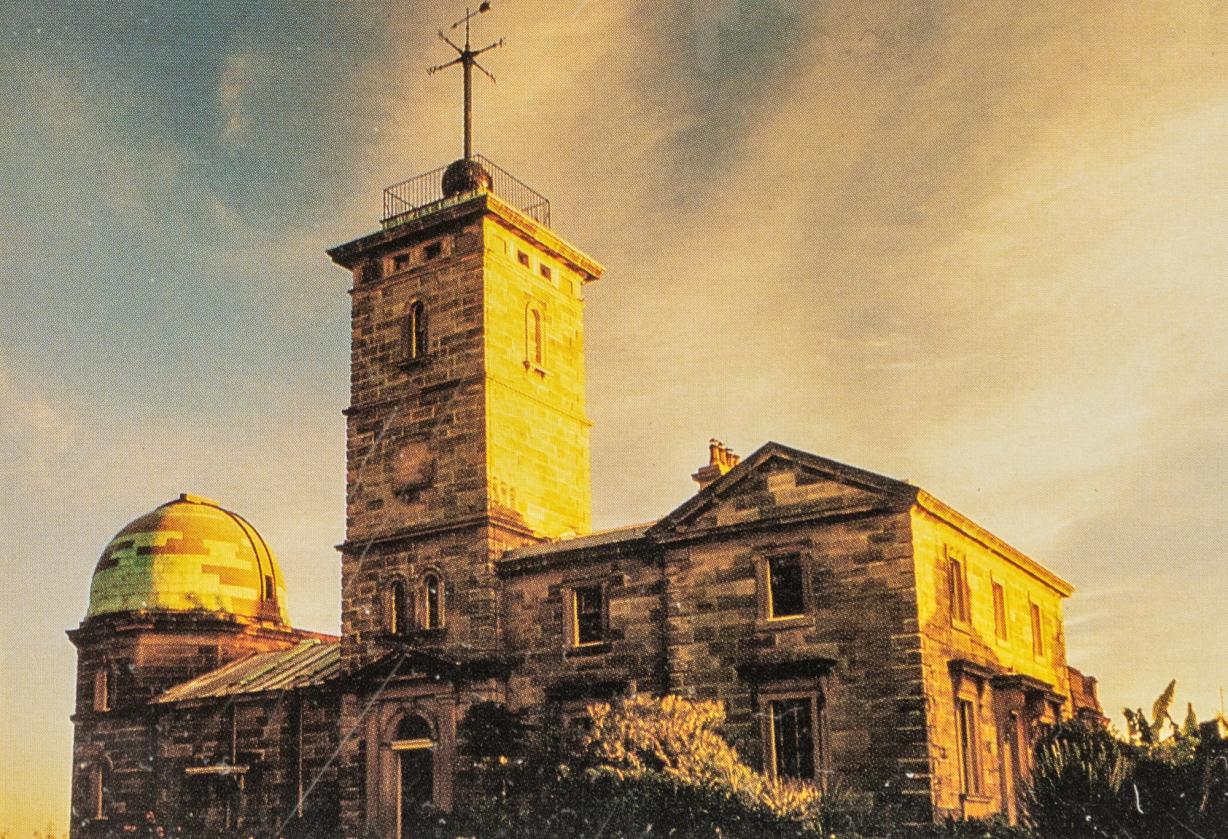
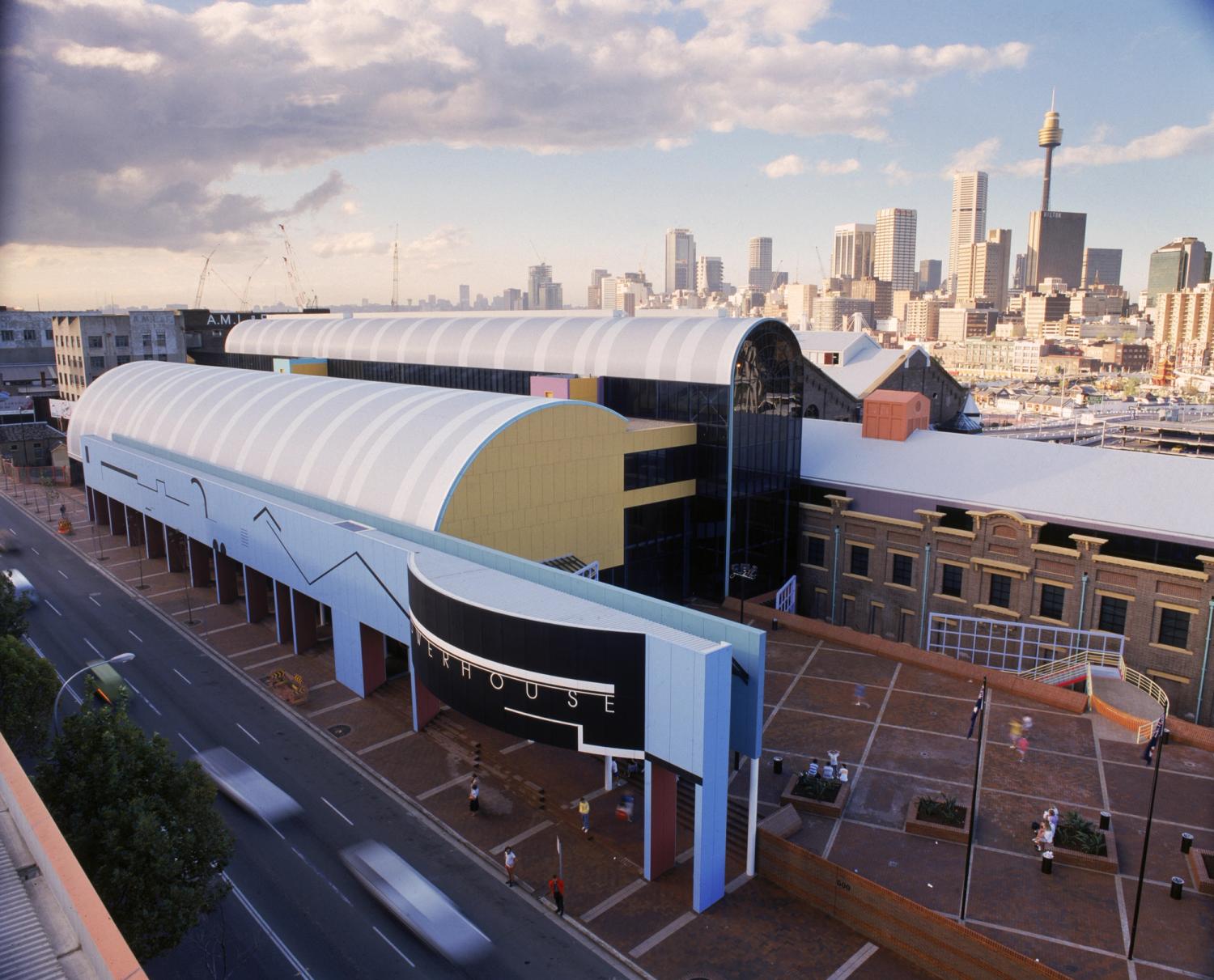
The opening of the new observatory in 1858 saw the original Brisbane instruments taken out of storage for use. Unfortunately there were only a few which the new Government Astronomer Rev. W. Scott felt remained good enough to use in Sydney observatory. While these select few continued to give sterling service, the others were stored away and over the course of the nineteenth century, Parramatta Observatory's original collection remained more or less intact. This rare and valuable collection was transferred to the Powerhouse Museum along with the Sydney Observatory instruments in 1982.
Geoff Barker, December 2007
References
Lomb, N., 'Earnshaw's Excellent Timekeepers', in Davison, G., Webber, K., 'Yesterday's Tomorrows; the Powerhouse Museum and its precursors 1880-2005', Powerhouse Publishing, 2005
Haynes, Raymond, Haynes, Roslynn, Malin, David, McGee, Richard, Explorers of the Southern Sky, Cambridge University Press, 1996
Australian Commonwealth Government, Historical records of Australia, Series 1, Governor's Dispatches to and from England, Volume 25, April 1846 - September 1847, Library Committee of the Commonwealth parliament, 1925
Australian Commonwealth Government, Historical records of Australia, Series 1, Governor's Dispatches to and from England, Volume 17, 1833- June 1835, Library Committee of the Commonwealth parliament, 1925
Forwarded to H. M. Secretary of State by Despatch, No. 141, 1847, Federation and Meteorology, http://www.austehc.unimelb.edu.au/fam/1541.html
Richardson, W., Catalogue of 7385 Stars, Chiefly in the Southern Hemisphere, prepared from observations made in 1822, 1823, 1824, 1825 and 1826, at the Observatory at Paramatta, New South Wales, Printed by William Clowes and Sons, For His Majesty's Stationary Office, 1835
Copyright
Images on this site are reproduced for the purposes of research and study only. Whilst every effort has been made to trace the Copyright holders, we would be grateful for any information concerning
Copyright of the images and we will withdraw them immediately on Copyright holder's request.
Object viewed times