Charles Kerry Photography Studio 1885-1917
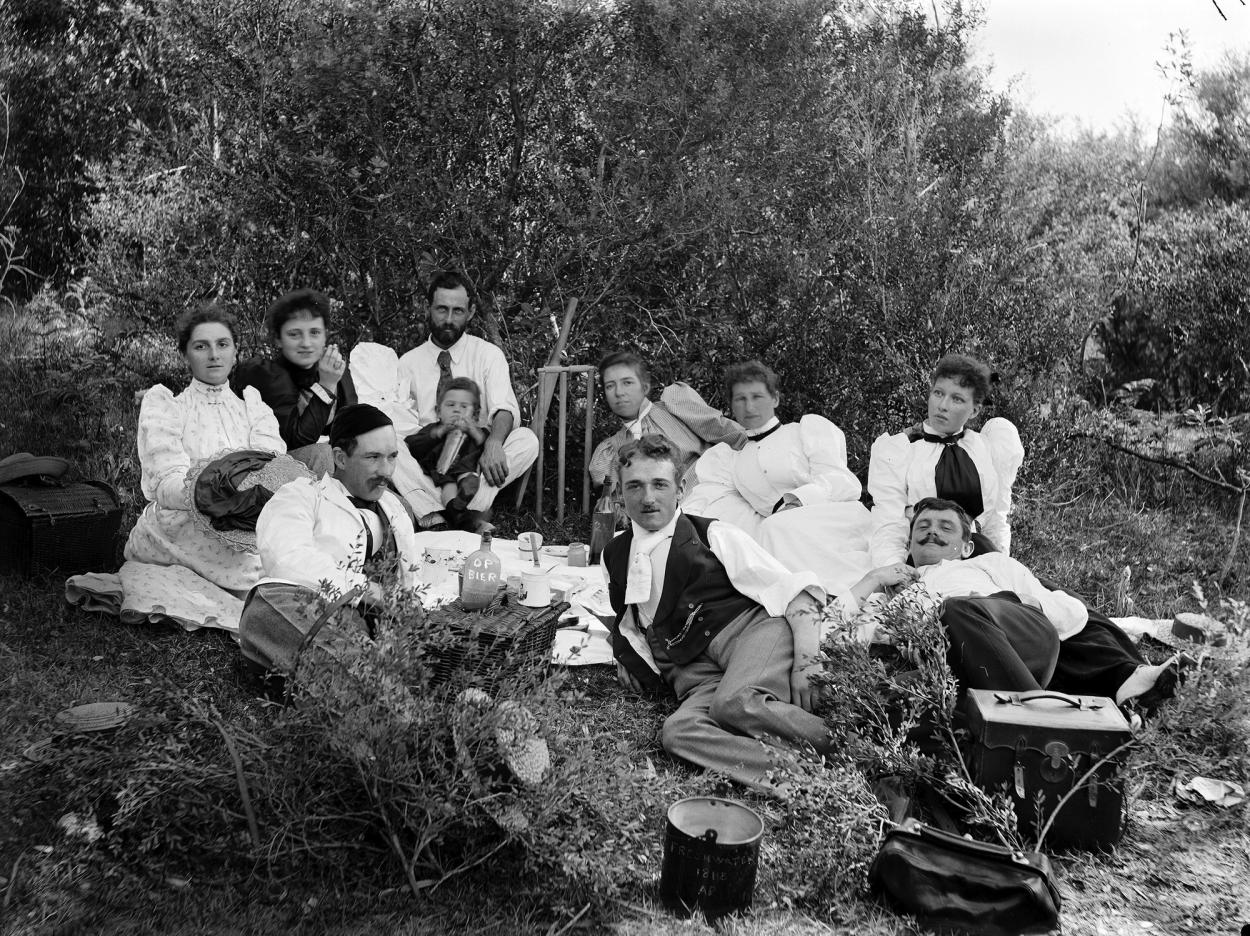
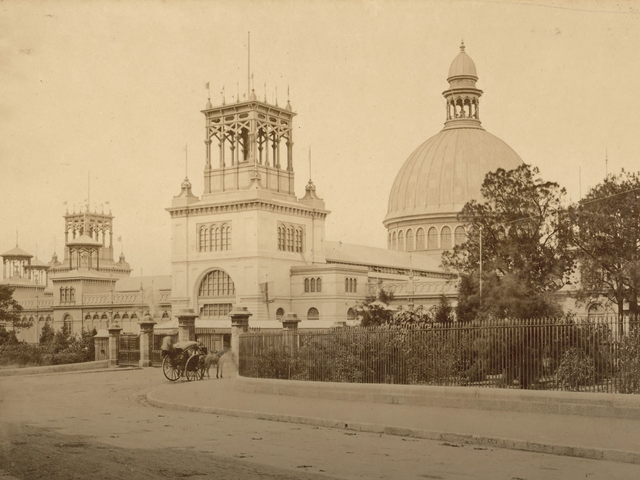
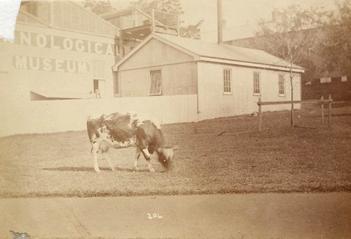
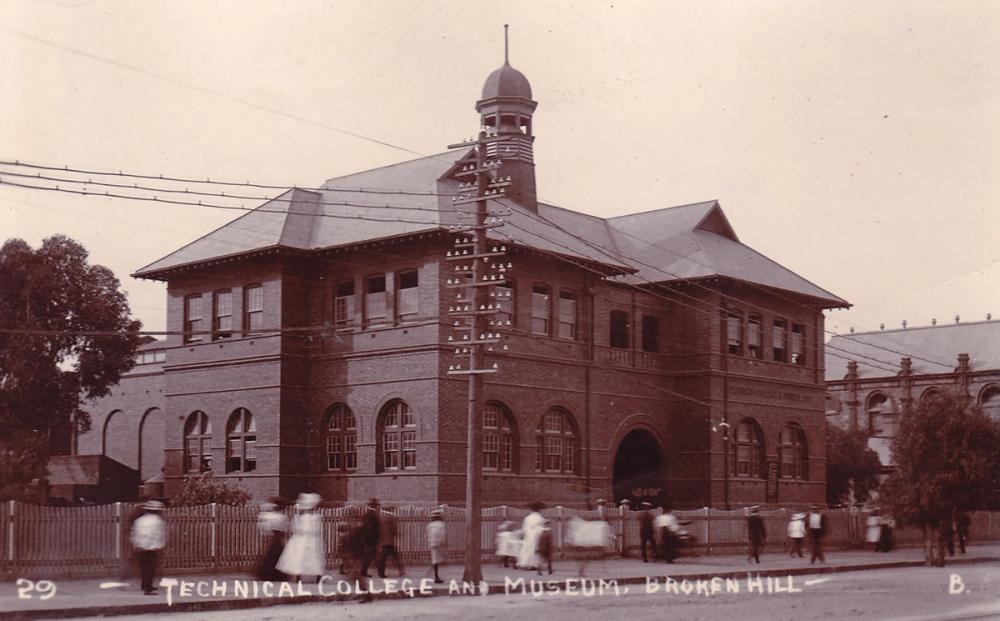
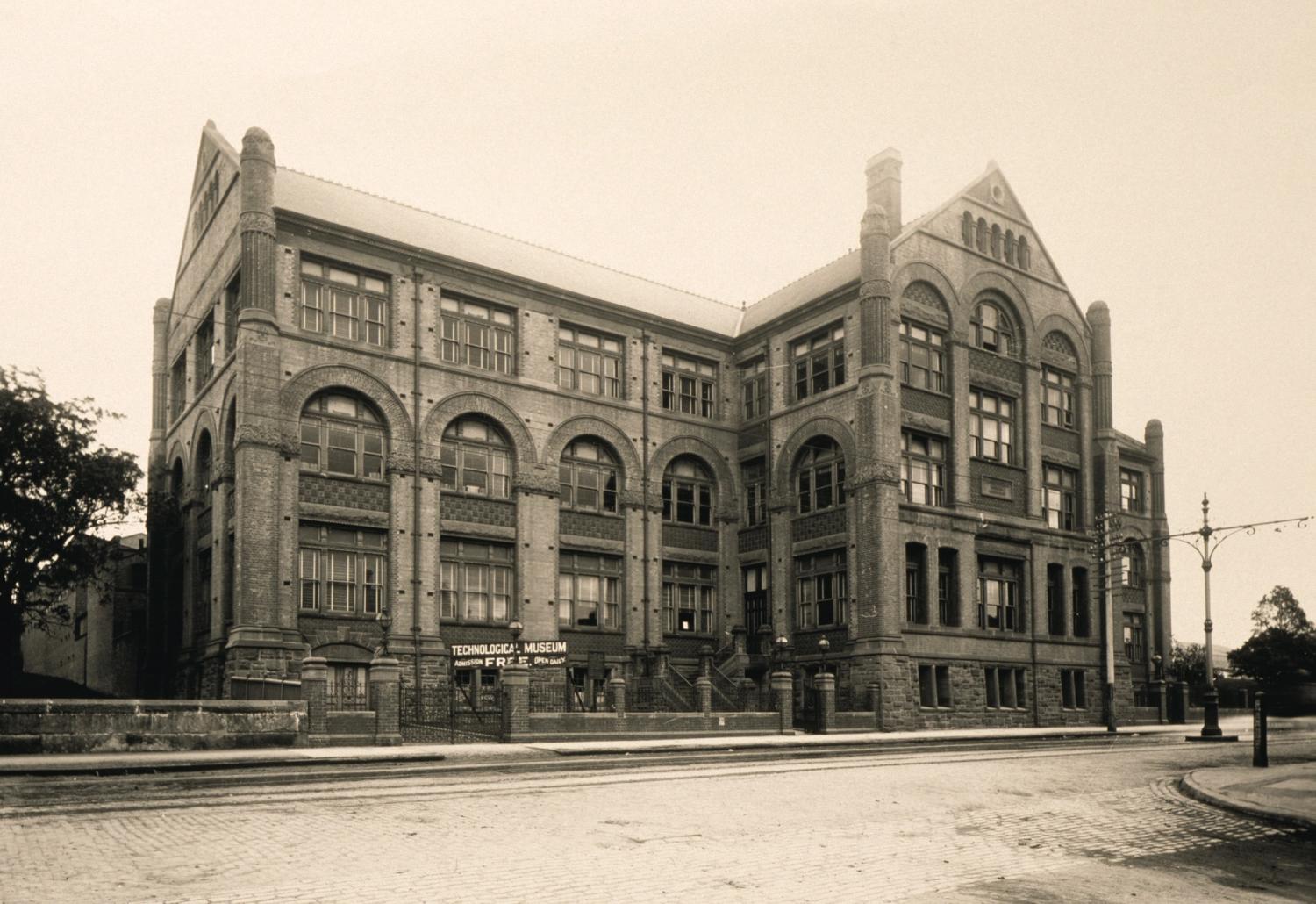
These photographic negatives were taken by the Sydney based company of Charles Kerry and Co. Over 2,900 glass plates were produced between 1892 and 1917, although a few may have been photographed in the 1880s. Over this period prints from this collection appeared in many publications and albums of views. In 1903 the company began producing postcards from these negatives, further establishing the images as some of the most significant and best known early views of New South Wales.
Some of the more significant themes covered by the collection include views of New South Wales, Queensland, country towns, Sydney, Indigenous Australians, the South Pacific, rural life, Australian flora and fauna, and sentimental views. In addition a number of significant early events from the 1900s are covered by the collection including the embarkation of troops for the Boer War, Hordens fire and the Inauguration of the Commonwealth in 1901, the arrival of the Great White Fleet and the Burns verses Johnson boxing match at Rushcutters Bay in 1908.
Charles Kerry was born in 1858, near Cooma, in New South Wales. Although he originally studied to be a surveyor Kerry left school at 17 to work in studio of the Sydney photographer A. H. Lamartinère and by 1885 he was running a studio in partnership with C. D. Jones. This partnership lasted until 1892, when Kerry became sole owner and changed the studio's name to Charles Kerry and Co.
By 1890 the company was employing a number of photographers who would become famous in their own right. The first of these was George Bell, who was employed in 1890, and immediately began travelling the length and breadth of country New South Wales, taking photographs on a carefully marked out route. This program was initiated by Kerry in response to the rapid growth of rural townships in New South Wales at that time. Eventually Kerry and Co. photographed over 250 New South Wales towns. While many of these are views of the main buildings and streets, some of Bell's best images have a romantic lyricism, similar to that found in Lawson's poetry.
Kerry himself continued to work in the field as well as manage his expanding business. In 1895 he took photographs of Royal National Park for New South Wales Government as well as photographing Queensland artesian bores for Queensland Government. Kerry was also employed in 1895 by the New South Wales Government to travel the state and photograph Indigenous Australians. Many of these portraits and his rural views were converted into lithographed postcards, and by 1903 the company is reputed to have had a stock of 50,000 cards.
1897 was a busy year as Kerry led the first party to reach summit of Mt Kosciusko in winter conditions and took on a commission for the New South Wales Government to photograph the Jenolan caves.
The 1890s saw Kerry and Co. build up a large stock of scenic views as well as set up a 'squatters service', where he sent photographers on horseback or train to homesteads all over the state where they developed negatives on the spot and made up the prints when they returned.
In 1893 Kerry employed Harold Bradley as a cameraman for his studio portraits but by 1899 Bradley was covering events like the embarkation of troops for the Boer War and the 1901 inauguration of the Commonwealth celebrations in Sydney.
In 1898 Willem van der Velden was contracted by Kerry to document Sydney streets for an assignment he was doing for the Town and Country Journal. During this commission, which occupied him for nine months, van der Velden used a specially designed vehicle which elevated the photographer while keeping the camera level regardless of the slope. Van der Velden finally joined Charles Kerry and Co. on a permanent basis in 1907.
By 1900 Kerry had turned his establishment into one of the largest and most respected photographic establishments in the colony. His new four story premises at 310 George St were designed by the architect H. C. Kent and the third floor studios alone could accommodate 70 people waiting for their portraits to be taken.
In 1913 Kerry retired leaving the running of the studio to his nephew. Kerry was not the only one to depart as Bradley also chose to leave the company, going to Melba Studio's in the same year. The business unfortunately did not do well and Kerry and Co. closed its doors in 1917. Charles Kerry died in 1928.
Geoff Barker, Curatorial, December 2008
References
Barrie, Sandy, Australians Behind the Camera, Sandy Barrie, 2002, p.103
Cook, David, Picture Postcards in Australia 1898 - 1920, Kyodo Printing Co. Ltd., Singapore
Newton, Gael, Shades of Light; Photography and Australia 1839 - 1988, Australian National Gallery, Canberra, 1988
Millar, David P., Charles Kerry's Federation Australia, David Ellis Press, Sydney, 1981
Copyright
Images on this site are reproduced for the purposes of research and study only. Whilst every effort has been made to trace the Copyright holders, we would be grateful for any information concerning
Copyright of the images and we will withdraw them immediately on Copyright holder's request.
Object viewed times