

Object statement
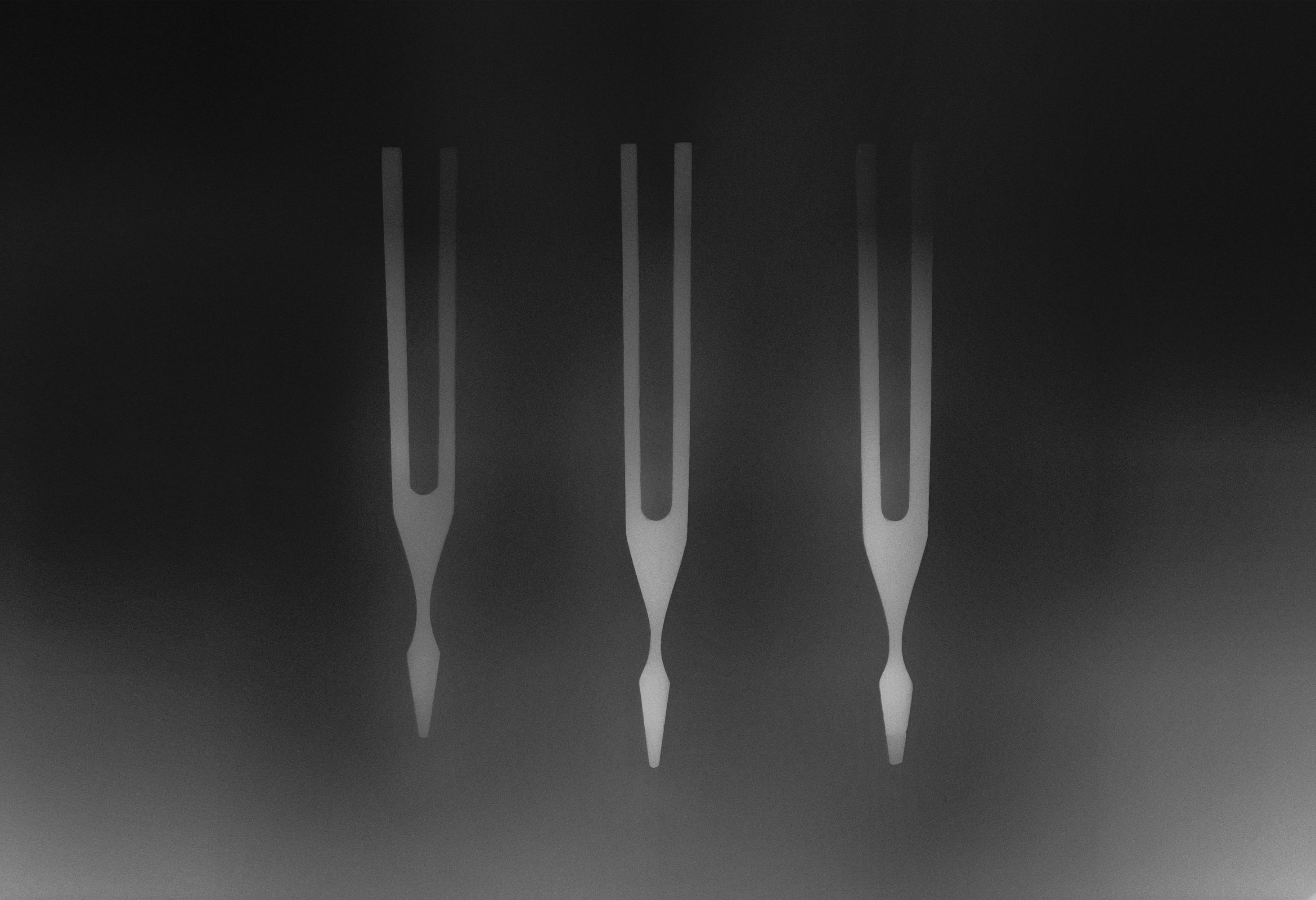
Model, stereolithography model of the 'Nucleus Freedom' speech processor and earhook, plastic / photopolymer, made by Cochlear Limited, Sydney, New South Wales, Australia, c. 1998
This prototype is an example of one of the earliest and most widely used rapid prototyping techniques, stereolithography. Rapid prototyping enables designers to quickly test their ideas in three dimensions and refine their ideas before they are presented to the toolmaker or manufacturer.
The Nucleus Freedom speech processor was released by Cochlear in 2006. It follows several generations of devices produced by Cochlear over 25 years, with continual improvements in sound processing and reduction in size. It represents Cochlear's design strategy of complementing a flexible cochlear implant with sophisticated sound processing in the externally worn speech processor. This allows the recipient to take advantage of improvements in technology without surgically replacing their implanted device.
Cochlear Limited was founded in Australia in 1981, based on Australian research by Dr Graeme Clark in developing the cochlear implant or bionic ear. By 2006 it had become an international leader in the manufacture and sale of cochlear implant systems.
Designed by Cochlear Limited, Australia, 1995-1998. Made from photopolymer using stereolithography rapid prototyping (SLA).
Stereolithography uses data from a 3D computer model to build plastic parts or objects one layer at a time, by tracing a laser beam on the surface of a vat of liquid photopolymer. This material quickly solidifies wherever the laser beam strikes the surface of the liquid. Once a layer is completely traced, it is lowered a small distance into the vat and the next layer is traced on top of it. The self-adhesive property of the material causes the layers to bond to one another and eventually form a complete three dimensional object.
This model was lent to the Museum for display in the Engineering Excellence exhibition 2005-2006. It would have been used by designers and engineers at Cochlear to verify the design of the Nucleus Freedom speech processor.
Graeme Clark's father was a deaf man in a hearing family and society. He was a pharmacist and often had to ask his customers to 'speak up' about their medical problems - which embarrassed him and them.
In 1967 Graeme embarked on a long journey towards fulfilling his dream of helping deaf people hear the spoken word. For ten years his research into electrical stimulation of the auditory nerve via an implant into the cochlea (a structure in the inner ear shaped like a snail shell) struggled along on animal experiments and university grant funding.
In 1974 a telethon on Channel 10 in Melbourne generated enough funds to take his work to the prototype stage and test it in a human patient, Rod Saunders. The 'bionic ear' worked: Rod could perceive sound again.
This demonstration encouraged the Australian government to finance commercialisation of the 'bionic ear'. The financing of the cochlear implant's manufacture and marketing became a remarkably successful joint venture. The three-way partnership was between researchers at the University of Melbourne, the federal government and a medical equipment exporter called Nucleus. This partnership led to the formation of a string of Cochlear enterprises in the US, Japan and Switzerland as well as Cochlear Pty Ltd in Australia.
The Nucleus 22, introduced in 1983, was the first use of a 22-channel implant. It allowed the user to distinguish a wide range of sound frequencies and became the world's most widely used cochlear implant system. Clinical trials from 1982 to 1984 in Australia and overseas culminated in the Nucleus implant being given official approval for sale by the US Food and Drug Administration in 1985. It was the first multi-electrode device to be approved by the US FDA and the second bionic ear of any type to be approved.
By the early 1990s Cochlear Pty Ltd was making a profit and Professor Clark was earning royalties. In 1994, after 5 years of lobbying, the implant was approved by Japanese health insurance companies. This opened up a market of up to 50,000 profoundly deaf people.
The Nucleus 24 Contour implant, introduced in 1999, uses a pre-curved electrode. The electrode matches the curved shape of the cochlea, improving the sound quality and simplifying surgery. Its speech processor incorporates the microphone and processor behind the ear, eliminating unnecessary wires. It won the Australian Design Award of the Year in 2000.
By the end of the century there were over 24,000 Nucleus users in 50 countries, and the total time that all Nucleus systems had been in use was over 142,000 years (Nucleus implant years). Since 1988, Nucleus, including Cochlear, had been a wholly owned subsidiary of Pacific Dunlop. In 1995, Cochlear was sold by Pacific Dunlop and floated on the Australian Stock Exchange as a publicly listed company.
Who Did It?
Key Organisations
Cochlear Pty Ltd : R&D, design, manufacture
University of Melbourne : R&D
Nucleus Ltd : commercialised first implant
Key People
Graeme Clark : innovator, team leader
Paul Trainor : manufacturer
Reginald Ansett : Channel 10 owner (telethon)
Further Reading
The story of the bionic ear
J Epstein
Hyland House, Melbourne, 1989.
Sounds from silence: Graeme Clark and the bionic ear story
Graeme Clark
Allen & Unwin, St Leonards, 2000