






Object statement
Advertising display, 'Carstair's White Seal', plastic / metal, maker unknown, probably made in the United States of America, 1935-1942.
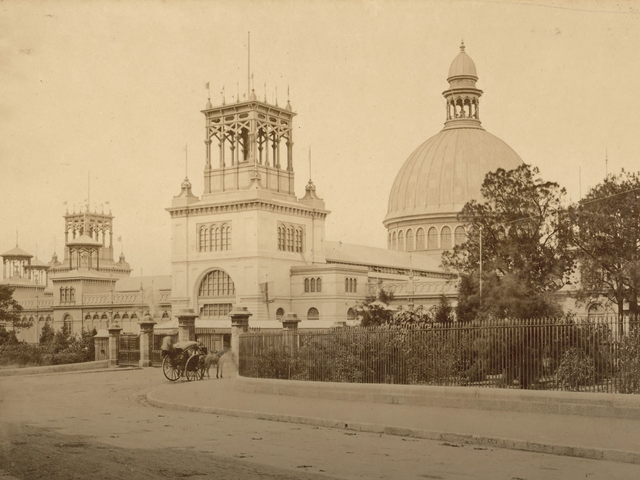
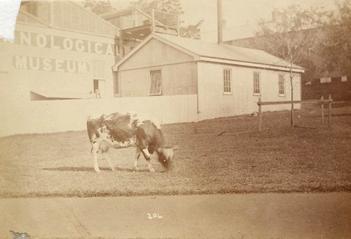
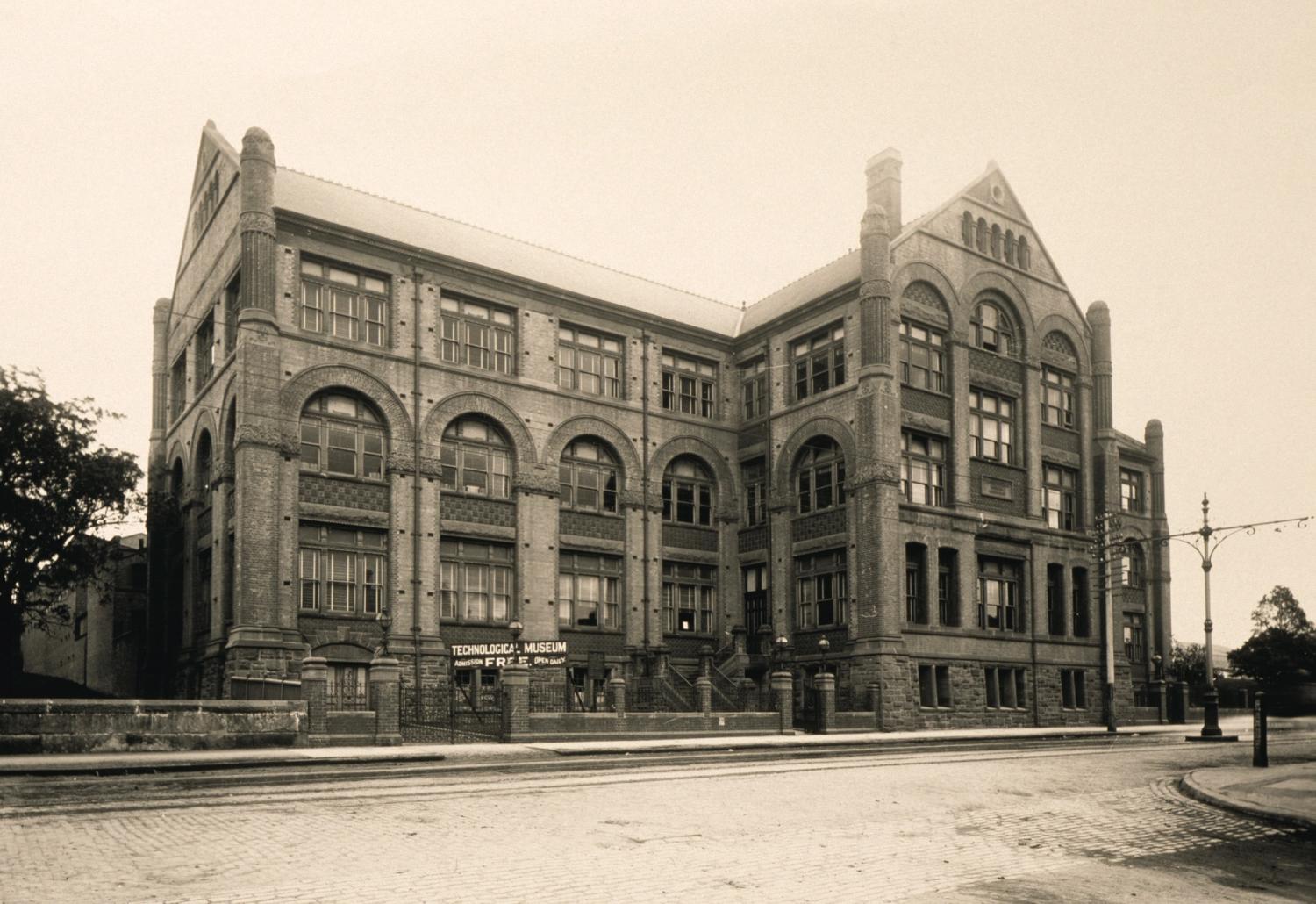
The Museum's plastics collection began in the 1930s with the acquisition of specimens of plastic raw materials and finished products. The collection was driven largely by Arthur de Ramon Penfold (1890-1980), a former industrial chemist, who worked as curator and later director of the museum from 1927 until 1955.
Between 26 and 28 of September 1934, Sydney Technical College's Chemical Society and the Sydney Technological Museum collaborated to develop what was advocated as the first Plastics Industry Exhibition in Australia. A permanent display of plastics was established at the museum, and was described by the Sunday Telegraph as 'the best display of plastics and fibres in the world ... show(ing) the complete history of plastics from first experiments to the latest developments' (Sunday Telegraph, 1945).
This object was donated as part of a collection of plastic packaging and advertising displays from 'Modern' Plastics'. It documents the impact plastics had on the packaging and advertising of products in the late 1930s and 1940s. Penfold wrote to 'Modern Plastics', an American plastics magazine, requesting examples made from '... transparent resins and those which give highly coloured products.' These materials were desirable because they had an advantage over older style urea and phenol formaldehyde powders. They could be printed on, came in a range of colours and many could be sleek, transparent, tough, light and water resistant.
Plastic packaging and advertising material could be mass produced cheaply and quickly, essential characteristics in an age of increasing consumerism. In the 1930s plastic packaging was used to make products more alluring. However, their durability and utilitarian uses were tested during World War Two and proved successful creating great demands for it after the war.
This object also signifies Penfold's desire to exhibit the most up-to-date and best examples of plastics from around the world. He wrote to 'Modern Plastics', 'So far as we can ascertain the United States of America undoubtedly leads in the production of attractive packages from plastics.'
This advertising display is part of a large collection of plastics and plastic moulding powders acquired by the museum during Arthur Penfold's career. The collection gives insight into a period of great social, material, technological and scientific development, along with some of the aims and collecting practices of the museum at the time.
Written by Rachel Dowling, Assistant Curator, Total Asset Management, March 2008
REFERENCES:
A. Penfold, correspondence with the Editor of Modern Plastics, 7 March 1941.
B. Allpress, 'Plastics in Packaging, Australian Plastics, August 1945, pp. 12-15.
Sunday Telegraph, 'For plastics he saw great things', 11 November 1945.
The maker of this object is unknown. 'Carstair's White Seal' whiskey was made by Carstairs Bros Distilling Company of New York. It was probably made in the United States of America between 1935 and 1941.
Plastic packaging was cheaper, more resilient and easier to mass produce than earlier packaging materials such as paper, metals, wood and so on. Brian Allpress wrote in 1945 that, 'At the beginning, and in fact practically continuously until the beginning of this war, plastic packaging was purely and simply glamour packaging. Its main function was eye appeal.' He writes that transparent packaging, mostly made of cellulose acetate, was popular before the war. However, the manufacture of plastic packaging was halted during World War Two as its raw materials were needed for war essentials.
It was during this war that plastics proved its utilitarian use for items such as food packaging, first aid kits and waterproof packaging. Once the war was over and restrictions were lifted plastic package manufacturing increased dramatically.
This advertising display was collected because it was original and made of plastic. Penfold wrote to Modern Plastics requesting 'striking and original containers'. Modern Plastics chose it from competition pieces out of its annual exhibit of plastic packages.
This object was donated to the Museum in 1941 by Modern Plastics. It was donated as part of a collection of plastic packaging and advertising material. Modern Plastics was first published in 1925 and was still being published in 2008. At this time it was considered to be one of the world's leading trade magazines for the plastics processing industry.
REFERENCES:
A. Penfold, correspondence with the Editor of Modern Plastics, 7 March 1941.
B. Allpress, 'Plastics in Packaging, Australian Plastics, August 1945, p. 14.