
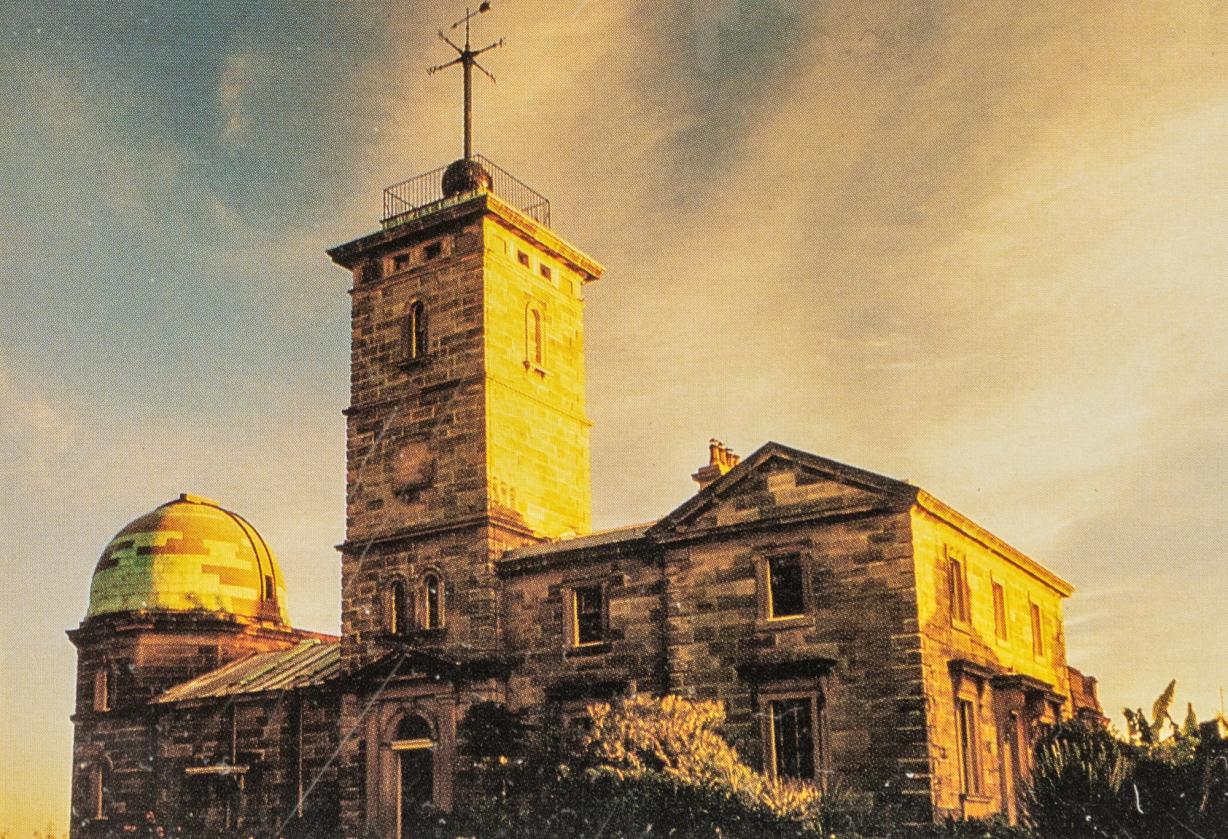
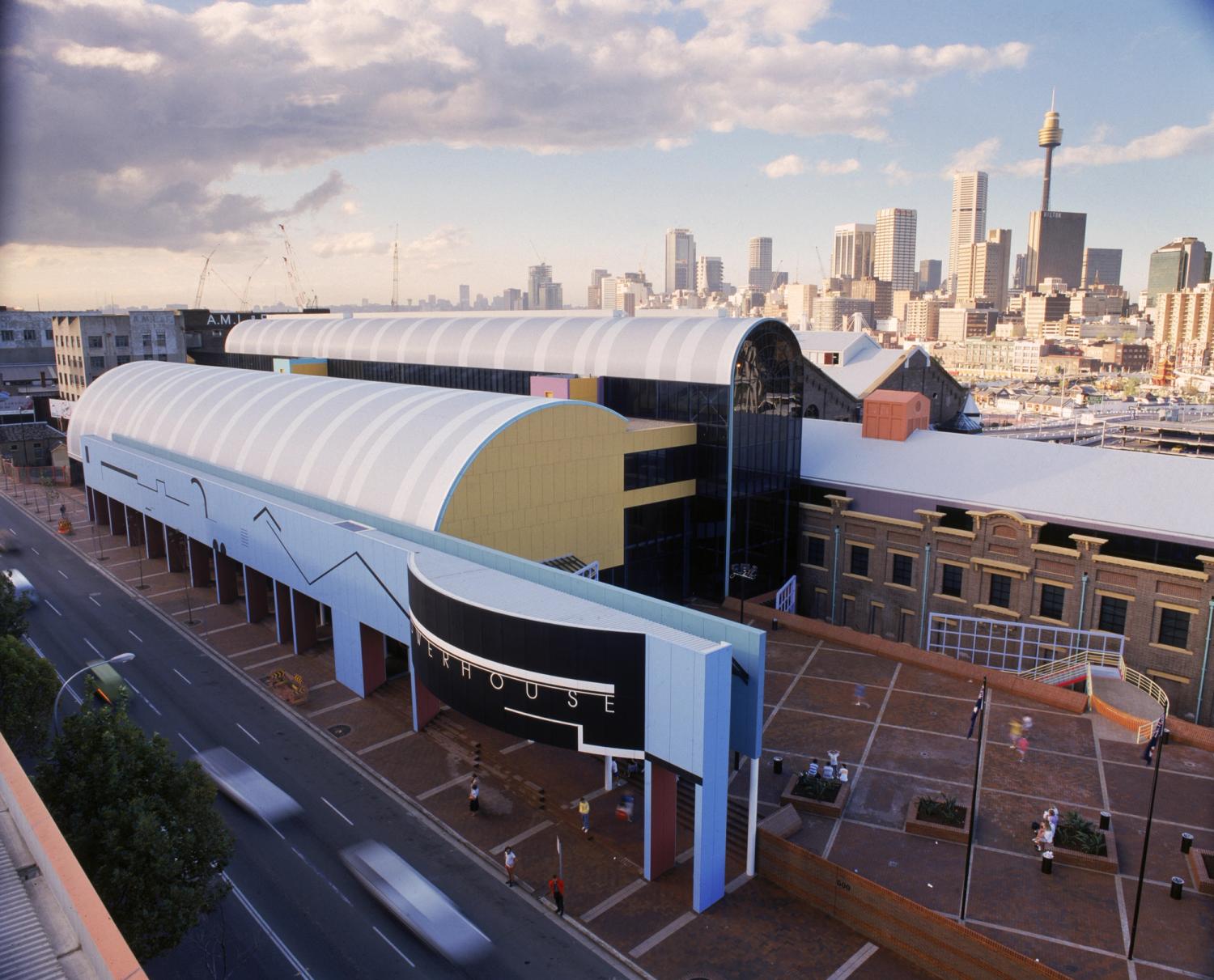


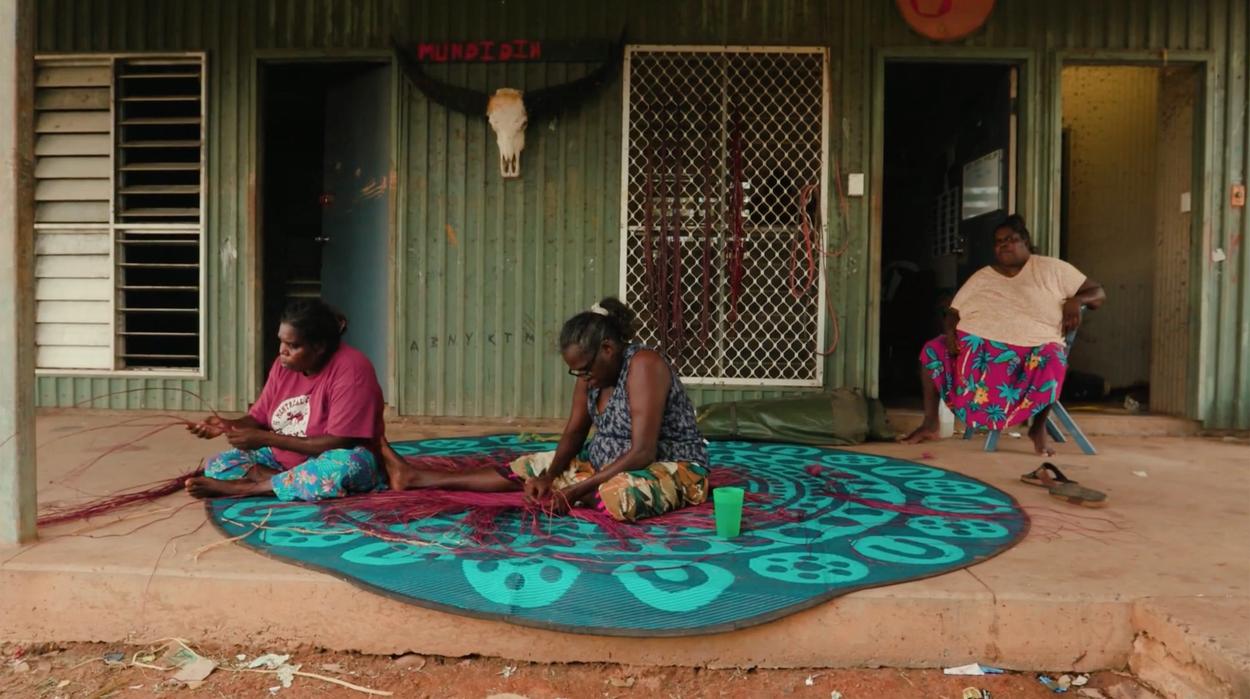

If all our collection was online, you could access it anywhere in the world. It would open up the Powerhouse Museum to everyone, 24 hours a day. As you can imagine, with over 380,000 collection objects, getting everything online is a time-consuming and intensive task. Your donation can help put more objects online for research, education and enjoyment.
By donating today you will help acquire and conserve objects that have changed Australia as well as the stories of the people who created them. Your donation will help to:
Build the Collection Endowment Fund which delivers us $70,000 a year to acquire new objects. The bigger the fund, the greater the Collection will become.
Acquire specific objects spanning history, science, technology, design, transport, decorative arts and more.
You can also donate a significant object. Thousands of Collection objects have been donated by generous individuals, like yourself.
Currently on public display
+ Display Store, Powerhouse Discovery Centre, Castle Hill
This bullock horn scrimshaw was carved by a member of the New Zealand Royal Artillery around 1860-1870.
The technique of scrimshaw involved the scraping, filing and grinding of the object, before honing the surface (but in the case of teeth and bone this was done with shark skin). With a smooth medium on which to work, the sailors used a variety of tools (awls, gimlets, files, sail needles and knives) to incise the surface. Once the desired pattern had been completed, it was rubbed over with soot, tar, Indian ink or lamp black. Polishing removed the excess colour leaving a graphic representation of fine black lines.
Illustrations from books or journals were traced onto the surface by pricking the outline of the picture with a pin. The dots were then joined up with incisions, and the process finished as usual. Objects produced by these methods were many and varied and include crimping wheels for decorating pie crusts, ink stands, cuff links, studs, walking sticks and knife handles. Teeth, bones, shells and wood were also lathe-turned, carved and skilfully inlaid to make cribbage boards and work boxes. The subjects depicted were as varied as the objects they adorn. Whaling scenes were popular, as were sailing ships, figures of gentlemen and ladies, and scenes taken from illustrations of classical subjects. For more information see: Keenan, Annette., "Scrimshaw" in A Companion to the Mint Collection (Sydney, 1982).
This bullock horn scrimshaw was given to Lt. Alexander Grubb, Royal Artillery.
Scrimshandering or scrimshaw as we know it, is a craft of the whalemen. The origin of the word is obscure. It refers both to the technique and the finished product. Essentially, it is the carving or engraving of bone, ivory, shells, wood or any other suitable material. Contrary to popular belief, the craft is not confined to engraving on whale teeth and bone, although in this form it is very common. The originators of scrimshaw decoration is unknown, although suggestions range from the Eskimos to the South Sea Islanders. However, the craft with which we are familiar today developed on board whaling ships where the equipment was already at hand: sail needles, jack knives and other metal tools; whale or walrus teeth and bones; Indian ink or lamp black; illustrations from old newspapers and plenty of leisure time. During the course of a whaling voyage, which sometimes lasted up to five years, there would be long periods of calm when the ship was waiting for a wind to take it to the whaling ground. To while away the time, sailors would occupy themselves with various shipboard crafts like rope or string work, or wood carving. They would also draw or trace pictures onto bone from whales already caught and processed. For more information see: Keenan, Annette,. "Scrimshaw" in A Companion to the Mint Collection (Sydney, 1982).
Bullock horn scrimshaw depicting scenes, bullock horn / wood, carved by member of New Zealand Royal Artillery, 1860-1870
Bullock horn fashioned into a powder horn, cream in colour, with scrimshaw decoration arranged in three registers. The first register comprises a man in military uniform on a horse amidst an Australian landscape characterised by black boy and palm trees, ferns, four emus and a kangaroo. Above the emu is a dove with a twig of laurel in its beak. The middle register features six Maoris dressed in grass skirts at their riverside village with a hut, boat and palm trees and the top register is composed of a bust of a tattooed Maori wearing a European shirt, coat and neckcloth with feathers in his hair and a cluster of five weapons. The weapons are both Maori and European in nature and include an axe, spear and bayonet.
Made: unknown; 1860 - 1870
Marks
Incised in the wooden base is 'New Zealand / 1865'.
{{cite web |url=http://from.ph/171692 |title=Bullock horn scrimshaw showing various scenes |author=Powerhouse Museum |accessdate=19 May 2012 |publisher=Powerhouse Museum, Australia}}
Copyright
Images on this site are reproduced for the purposes of research and study only. Whilst every effort has been made to trace the Copyright holders, we would be grateful for any information concerning Copyright of the images and we will withdraw them immediately on Copyright holder's request.