Powerhouse Museum Collection Search 2.53
Category history:
   

Support the Powerhouse with a tax-deductible gift

Make a donation

Make a donation

Make a donation
Architectural/Interior Decoration and Fittings > Architectural models

+ 2010/13/1 Scale model with storage case,...
+ 90/586-10 Architectural model, building ...
+ 2012/60/1 Architectural model, 'Atlas' a...
+ 90/586-12 Architectural model, 'Bank Cou...
+ 2013/27/1 Models (2), architectural and ...
+ 90/586-14 Architectural model, two build...
+ 88/892 House model, the 'St Ives', Georg...
+ 2005/126/1 'Forum' architectural model, ...
+ D10182 Model, Metropolitan Water Sewerag...
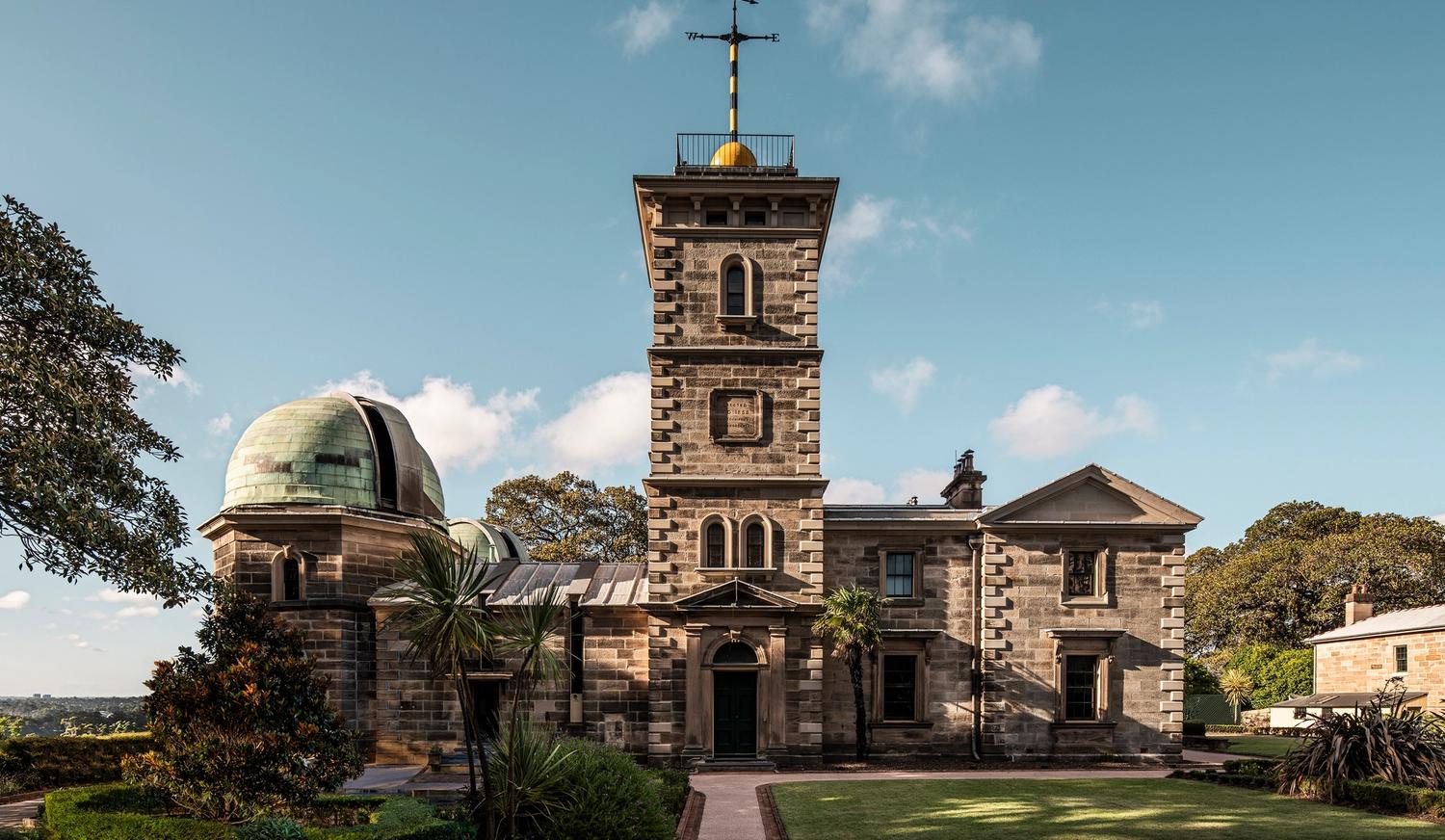
+ 2008/29/1 Model, 1:100, of Sydney Observ...
+ 2008/30/1 Model, 1:200, of the Castle Hi...
+ 2008/127/1 Architectural model, sustaina...
+ H7 Model of Indian Temple, made from the...
+ H110 Model of a Japanese house, white pi...
+ H110A Model of Japanese tea house....
+ H1245 Model Swiss farm house, wooden.(LC...
+ H1246 Model Swiss chalet.(OF)....
+ H1249 Model, Swiss chalet, wood, maker /...
+ H4018 A complete model of a modern cotta...
+ H4293 Model of Japanese House (SB). Mode...
+ H4294 Model of Japanese Room (SB)....
+ 90/586 Architectural models (23), King S...
+ 90/586-1 Architectural model, 'Temple Co...
+ 90/586-2 Architectural model, 'Commercia...
+ 90/586-3 Architectural model, 'Continent...
+ 90/586-4 Architectural model, various sh...
+ 90/586-5 Architectural model, 'Star and ...
+ 90/586-6 Architectural model, 2 shopfron...
+ 90/586-7 Architectural model, 'Internati...
+ 90/586-8 Architectural model, 'Punch's H...
+ 90/586-9 Architectural model, building w...
+ 2011/95/1 Architectural model, China Cen...
+ 90/586-11 Architectural model, building ...
+ 2013/19/1 Architectural model, Villa Sho...
+ 90/586-13 Architectural model, 'Coles Bo...
+ 2007/90/1 Architectural model, Khalifa S...
+ 90/586-15 Architectural model, "Metropol...
+ 90/586-16 Architectural model, 'Imperial...
+ 90/586-17 Architectural model, 'Quong Ta...
+ 90/586-18 Architectural model, two build...
+ 90/586-19 Architectural model, 'Australi...
+ 90/586-20 Architectural model, 'Liverpoo...
+ 90/586-21 Architectural model, two build...
+ 90/586-22 Architectural model, 'Builder'...
+ 90/586-23 Architectural model, 'Royal Ex...
+ H4577 Model of Wesley College (LC)...
+ A82 Small scale model Japanese house, br...
+ A104 Small scale model Japanese building...
+ A485 Miniature monument, 'Carew Ancient ...
+ A486 Miniature monument, 'St Martin's Cr...


99/34/6 Architectural model, Aboriginal Alcoholic Rehabilitation Centre, polystyrene / metal / wood / plastic, designed by Glenn Murcutt, Australia, 1983-85
zoom image
Images: 01 02 03 04 05

Object statement
Architectural model, Aboriginal Alcoholic Rehabilitation Centre, polystyrene / metal / wood / plastic, designed by Glenn Murcutt, Australia, 1983-85
Glenn Murcutt's design was intended for the Aboriginal Alcoholic Rehabilitation Centre at Kinchela Creek near Kempsey, northern NSW. The design process involved intense dialogue between Murcutt and Centre staff and clients. The design consists of several dispersed small buildings with a variety of planned functions. The largest buildings are the two reception and communal services buildings joined by a common gallery at the entrance.

The smaller residential structures are dispersed along four ridges running east from the main buildings. These buildings all gain a northerly aspect and are designed as long houses with living and work spaces. These buildings are grouped to segregate residents into social groups including young single men, older men, single mothers with children, couples etc. Pathways connect each group of houses and the main centre. The relationships between these groups is carefully considered to facilitate social interaction on the assumption that alcoholism is a community problem and is best addressed via community rather than individual isolation and treatment. Murcutt's design gives form to this ideal of a caring community.

Charles Pickett, Curator, Design and built environment.
Designed by Glenn Murcutt

Made by Reginald Lark, architect

Date provided by Glenn Murcutt

Glenn Murcutt (b.1936) was born in London but spent his young childhood in the Morobe district of New Guinea where his father managed a gold mine. His father Arthur Murcutt introduced him to the architecture of Ludwig Mies van der Rohe and to carpentry and building, building houses for his family and others at Sydney's northern beaches during the 1940s. From 1956 Murcutt studied architecture at the University of New South Wales and worked with several architects including Neville Gruzman. After graduating in 1961 Murcutt travelled for two years, returning in 1964 to work in the office of Ancher, Mortlock, Murray and Woolley.

In 1969 Murcutt established his own practice at Mosman, Sydney. Initially he struggled to find work, producing just three houses during the 1970s as well as numerous renovations and extensions. One of these was the Berowra Waters Inn where from 1976 Murcutt redesigned a 1930s teahouse for young chefs Tony and Gay Bilson; the result was a standout marriage of design and culinary art that proclaimed the talents of Murcutt and the Bilsons.

This exploratory phase saw Murcutt establish a mastery of the Miesian style. His prolific second phase was more regional in nature. Using a mixture of pragmatism and lyricism, Murcutt creates simple houses that resemble open verandas. He is admired locally and internationally for creating an identifiably Australian idiom in domestic architecture. In addition Murcutt's domestic focus and small practice contrasts with the corporate character of contemporary architecture although it also restricts the scope and impact of his work. Regardless, Murcutt and his numerous admirers are content with his embodiment of the architect as craftsman and visionary.

Glenn Murcutt's work has won several Australian awards as well as the Alvar Alto Medal (1992) and the Pritzker Prize (2002).


Charles Pickett, Curator Design and built environment.
This project was designed to replace existing buildings at the Aboriginal Alcoholic Rehabilitation Centre at Kinchela Creek near Kempsey, northern NSW. Murcutt was invited to design a new purpose-built home for the Centre; its managers were familiar with Murcutt's designs for the Kempsey museum and tourist centre.

The new Centre was to be funded by the local Council with financial assistance from the NSW and Australian governments; however the latter governments refused funding and the project did not proceed.

 This text content licensed under CC BY-NC.

Description
Architectural model, Aboriginal Alcoholic Rehabilitation Centre, polystyrene / metal / wood / plastic, designed by Glenn Murcutt, Sydney 1983-85.
On a large rectangular polystyrene base are situated a number of pavilion structures arranged in clusters over the site.

Designed: Murcutt, Glenn Marcus; Australia

Made: Lark, Reginald; Australia; 1983 - 1985
99/34/6
Height
345 mm
Width
1025 mm

 This text content licensed under CC BY-SA.
Acquisition credit line
Gift of Glenn Murcutt under the Tax Incentives for the Arts Scheme, 1999
Subjects
+ Architecture
+ Australian design
Short persistent URL
Concise link back to this object: http://from.ph/166827
Cite this object in Wikipedia
Copy and paste this wiki-markup:

{{cite web |url=http://from.ph/166827 |title=99/34/6 Architectural model, Aboriginal Alcoholic Rehabilitation Centre, polystyrene / metal / wood / plastic, designed by Glenn Murcutt, Australia, 1983-85 |author=Powerhouse Museum |accessdate=20 May 2013 |publisher=Powerhouse Museum, Australia}}


Copyright
Images on this site are reproduced for the purposes of research and study only. Whilst every effort has been made to trace the Copyright holders, we would be grateful for any information concerning Copyright of the images and we will withdraw them immediately on Copyright holder's request.
Object viewed 5515 times. Parent IRN: 2127. Master IRN: 2127 Img: 147087 Flv: H:1980px W:2450px SMO:0 RIGHTS:.