


Object statement
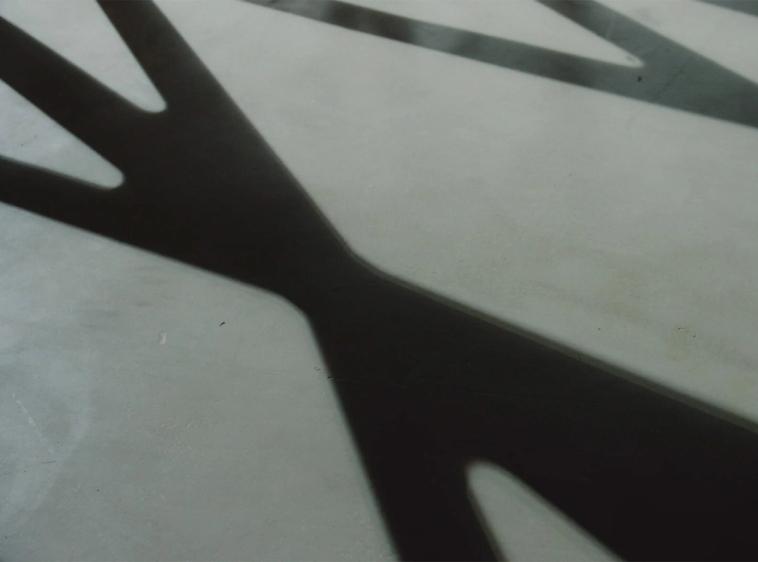
Formwork, Quadrant from Sydney General Post Office construction, wood, maker unknown, Australia, 1874
From its modest beginnings since Isaac Nichols was appointed Australia's first Postmaster in 1809, the Post Office (renamed Australia Post in 1975), has grown to become Australia's largest business enterprise. This large collection contains many objects of significance documenting Australian postal history.
The earliest object in the collection is an Earnshaw clock known to have been used in Isaac Nichol's post office in lower George Street Sydney from 1809.
The first street posting boxes were cast in bronze by the Bubb & Sons foundry at Pyrmont in 1856 and soon became widespread, even being exported to New Zealand. It is interesting to note that they were not painted in pillar box red until the 1870s. The posting slots were vertical to facilitate posting a letter from horseback. The collection contains many later types of posting and pillar boxes including emergency boxes made during World War 2 in wood instead of metal and one of the boxes from Mt Koscuiosko.
The first postal uniform in the collection dates from the 1850s which is also shown in a hand painted version by an unknown artist. Many later changes of style can be traced in both male and female uniforms right up to the present.
Hand postmarkers often have a special story to tell. Those in the collection have been selected to show changes of design and style over the years or because their post office was itself significant. A group used on the railway travelling post offices which ran from 1870-1985 in NSW are particularly important because this form of sorting was particularly efficient for country mail delivery. This group is complemented by hand held obliterators from the colonial times and red wax seals used before the introduction of the lead type in 1927.
Post office furniture in this collection includes a writing slope and postman's sorting cabinet which might have been used in a small post office such as Ultimo (built in Federation style in 1901 and purchased by the museum in 1985). Postal forms, telegrams, books of regulations and published annual reports are also included in the collection.
A diverse range of objects from the General Post Office Sydney include a lightening conductor from the roof to the decorative overmantle from the PMG's waiting room. Crockery from the ninth floor dining rooms exhibit the change of style of the post office logo over time. Guidebooks of public tours of the GPO, including its famous clock tower, are important in helping to piece together its eclectic history.
The human side of the post office can be seen in the small illuminated address presented to Miss Lilly Isaacs, Postmistress at Dulwich Hill on her retirement in 1908, a postmaster's wash stand from the former Castlereagh St Sydney post office residence and parts of the postcode encoding equipment from the Sydney Mail Exchange in operation from 1967 to 1985.
Until the appointment of a postal historian in NSW in the 1940s, little thought was given to systematically documenting postal history. Apart from written records and photographs, now lodged with Australian Archives, the gathering of these objects dates from this time until 1989 when negotiations were begun to transfer it to the museum. It has been subsequently supplemented by important objects from similar collections in other states.
Parts of the coding equipment from the former Redfern Mail Exchange (1967-1985) were also donated to the Museum in 1993 (93/121/1) including documentation of its use.
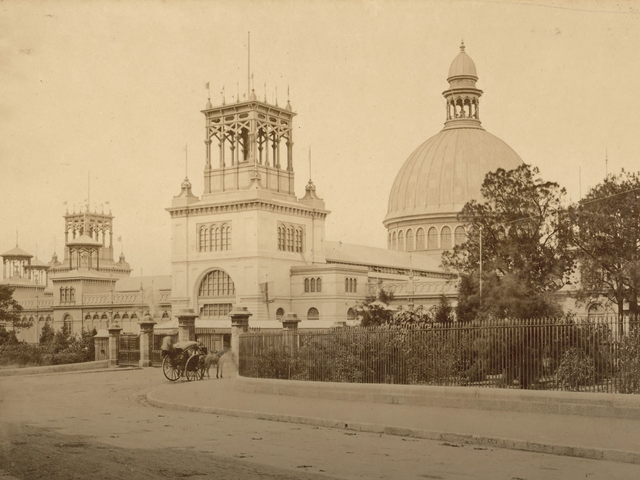
The present GPO building was the fifth General Post Office in Sydney. The first post office was part of the building owned by Isaac Nichols in Lower George St Sydney from 1810-1819. Following his death the post office was moved to the Naval Officer's house and from 1 April 1820 was located in the Wharfinger's Hut on King's Wharf. George Panton conducted business as postmaster there until he removed the post office to his house on Bunker's Hill (in the Rocks) but this move was not popular and by 1825 the PO was again at the wharf. In 1826 the post office was again moved to the Sheriff's office in Bent St at the rear of the Department of Public Instruction building. After a commission of enquiry into the post office in 1828 it was again moved to the right wing of the Customs office in George St and by 1845 it occupied the entire building. Extensive repairs to this building were carried out in 1847 and an impressive portico was erected in place of the verandah.
However the volume of mail and the staff continued to grow so that in 1862 it was decided to erect the present building. In consequence the GPO was moved to temporary premises in Wynyard Square from 1864-1874.
The basis of the design of the new GPO building was of an Italian Renaissance palazzo freely incorporating Florentine and Venetian elements in its composition. It had a vaulted colonnade, originally conceived as a means of relieving overcrowding in the nearby St Martin's Lane. Nearby shops were later demolished and Martin Place opened. See "The City's Centerpiece", Australia Post, 1988. The use of this object as part of the construction of the GPO is based on information obtained by the historical section of the post office.
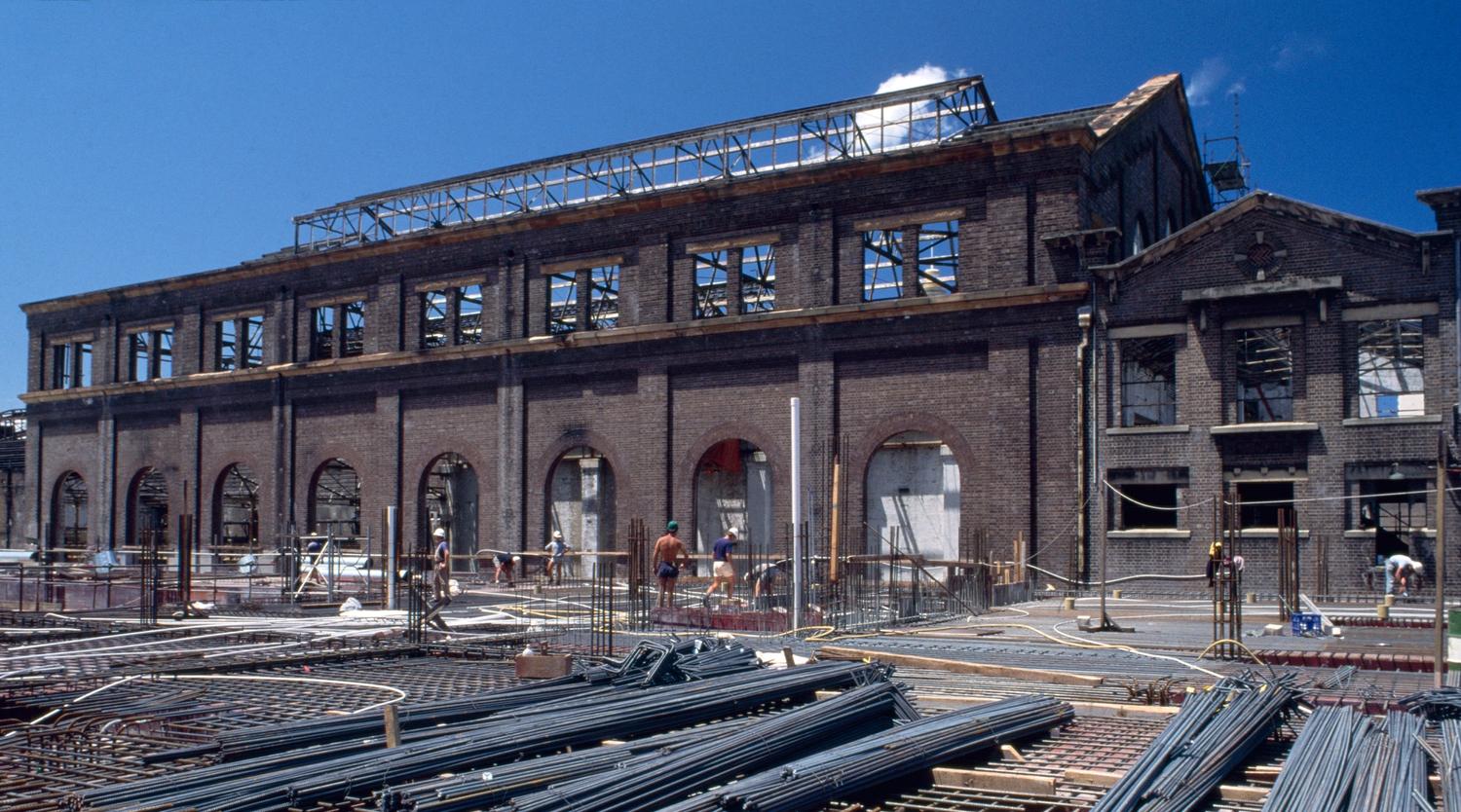
In the early 1990s, partly as a consequence of the "retail post" line of planning, the GPO Sydney moved out of the Martin Place colonnade into the mezzanine of the 1942 Pitt St building, other floors of which housed administration and the historical office with the collection now being acquired. When the Redfern Mail Exchange was closed in 1985 Australia Post redeveloped this site as their state headquarters and plans were laid for the lease/sale of the GPO. In 1997 the 1942 building was demolished and a start made on redevelopment which will see the 1874 building and the 1927 postal hall retained as the entrance to a shopping arcade and an international hotel. Australia Post will have a retail shop in this arcade.