


Object statement
Fashion plate, 'Costumes Parisiens' No 1, pochoir (hand engraved and silk-screened / stencilled) print, mounted on card, reproduction of a fashion plate of 1812 produced as Plate No 1, Journal des Dames et des Modes, Paris, France, June 1912
This fashion plate is actually the first of a total collection of 186 Costumes Parisien fashion plates created for the Journal des Dames et des Modes by leading commercial artists of the day - George Barbier, Leon Bakst, Pierre Legrain, Etienne Drian, Victor Lheur, Gerda Wegener, J. van Brock, Armand Vallee and others. It is a copy of a fashion plate produced in the journal of the same title in 1812.
At the time that the plate was produced, the fashionable woman had to own a bewildering number of outfits for different times of the day and for different activities - everything from morning, afternoon and evening dresses to hunting, riding, tennis, garden party, yachting, walking, beach-strolling and 'visiting' outfits. The fashion illustrated in the journal reflects this vogue and the shift from corset structures that anchored dresses around a very narrow waist and ribcage and accentuating hips and breasts, towards a more cylindrical dress form that eventually led to the loose "flapper" dress style of the 1920s. Fashionable children's and men's costume of the day is also illustrated.
The Journal des Dames et des Modes was founded by Tom Antongini, secretary, friend and biographer of poet, connoisseur and collector, Gabriele D'Annunzio (1863-1938) whom he followed into Parisien exile from Italy in 1910. Designed for lovers of rare editions, the Journal aimed to appeal to an audience of connoisseurs and aesthetes and to be a reflection of the intellectual and cultural atmosphere of Paris, and a record of Parisien culture and fashion at the time. It sought to distinguish itself from already existing periodicals, such as Femina and La Vie Parisienne that were produced in thousands and illustrated by photography, with its rich and vivid coloured plates achieved through the pochoir printing process in which up to thirty colour screens or stencils are used to insert colours into the delicate linear designs of the copper plate engravings.
The Journal des Dames et Des Modes lasted only two years. The first issue appeared on 1 June 1912, the last on 1 August 1914 due to the outbreak of World War I. It was issued three times a month with from one to five illustrative plates inserted. The first edition was printed in an edition of 1,250 copies on quality hand-made Holland paper, plus 29 delux copies on Japan paper. Two other Parisien fashion magazines emerged in Paris in 1912 - La Gazette du Bon Ton (1912-1925) founded and published by Lucien Vogel and Modes et Manieres d'Aujourd'hui issued by Corrard and Meynial. All three magazines echoed in their titles, journals that had appeared in the 18th and 19th centuries. The Journal des dames et des modes (1912-1914) was modelled on the earlier publication of the same title, Journal des Dames et des Modes, which ran from 1797 to 1839 (renamed Costume Parisien from 1803 to 1839).
While the Journal used many of the same artists as La Gazette, it differed to La Gazette in that its plates of 1912 to 1914 signify the end of an era, 'La Belle Epoque', and the beginning of another. La Gazette on the other hand, which continued into the 1920s, evolved to embrace the new velocity of life by illustrating streamlined fashion against backgrounds that referred to the industrial, mechanised 'moderne' world of railroads, cars and steamships.
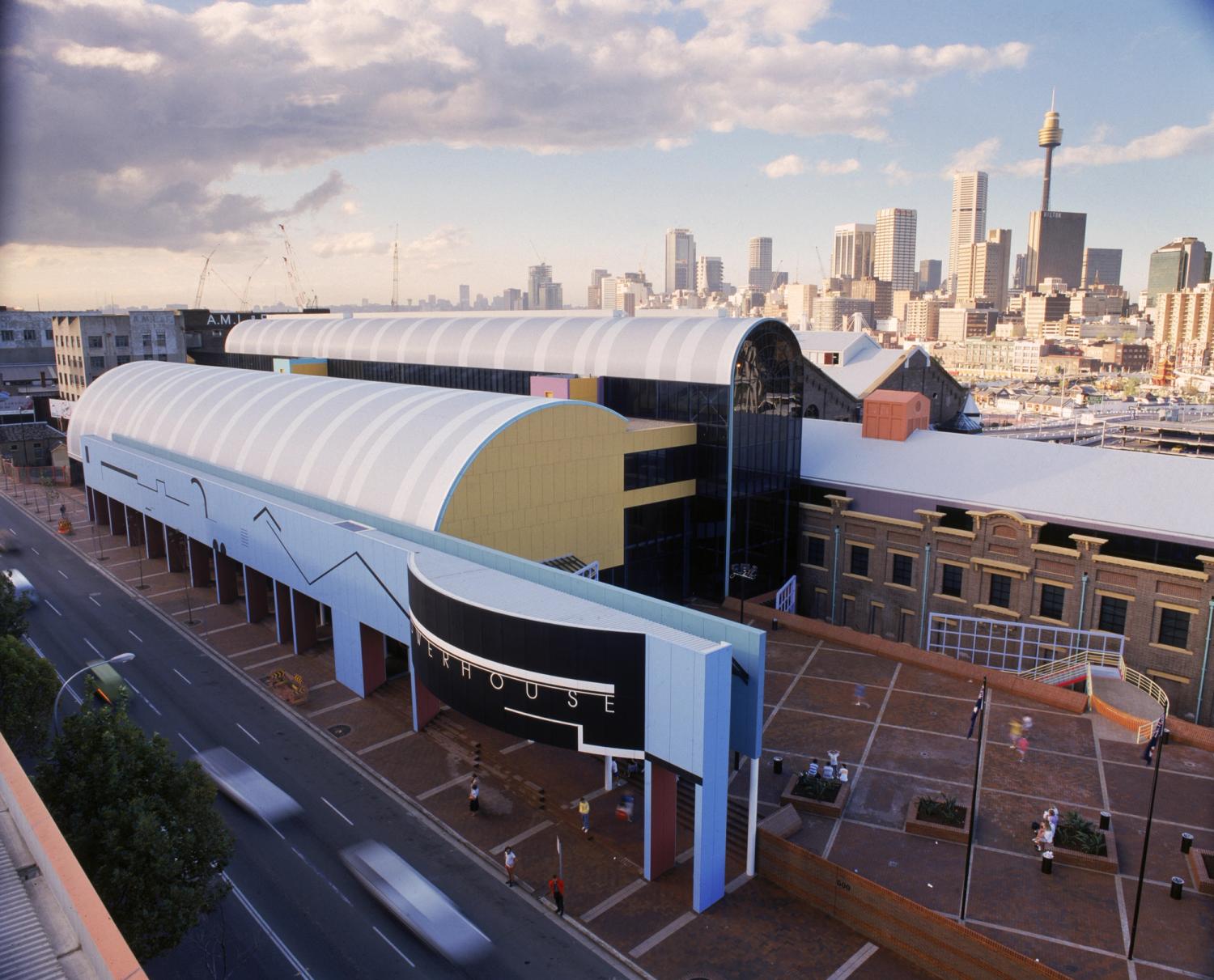
The collection of 143 fashion plates from the Journal des Dames et des Modes is offered as a donation to the Powerhouse Museum by Alistair Roberts, a Sydney-based theatre and costume designer and tailor, who assembled the collection with dedication and enthusiasm over several decades.
References:
Ricci, F.M., Costumes Parisiens Journal des Dames et Des Modes Vol 1 & 2, Italy 1979 (Introduction by Christine Nuzzi)
Parisiens Costumes plates in full colour (1912-1914), Dover Publications, New York, 1982
www.camrax.com: Camrax Beverley Birks Couture Collection
www.homestore.com: Alice Van Housen - French Fashion Prints make a statement.
Anne-Marie Van de Ven
Curator, June 2002
Plate No 1 of the journal may be by Wither Debucourt or Horace Vernet as these two artists created most of designs in the earlier journal of the same title, the Journal des Dames et des Modes, issued between 1797-1839.
Purchased by donor for private collection from various vendors in Sydney and internationally, including at flea markets on the left bank of the River Seine, Paris.
The donor of this collection of Costumes Parisiens fashion plates was Alistair Roberts a costume designer and maker. He owned a costume business called Harlequin between 1963 -1980 which was originally in Mansion House, Sydney (ie in former rag trade premises in or near Elizabeth St in Sydney. He moved to 3 storey building in Alexandria in 1973, the year the Sydney Opera House opened.
Roberts made costumes for Harry Miller's Jesus Christ Superstar in 1972, costumes for the Opera Company, the Ballet Company. etc. He was going to create costumes for 'Gone with the Wind' but it was cancelled because of fire restrictions in Australia. (Notes from telephone conversation with Roberts in February 2003)