The Powerhouse Museum opened in 1988, yet we had already been collecting for over a hundred years.

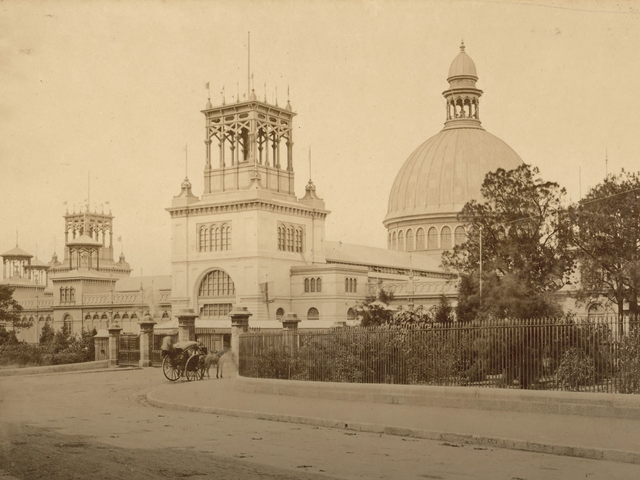
The Garden Palace, 1879
In 1879 Sydney held Australia’s first international exhibition, a showcase of invention and industry from around the world. It took only eight months to build the imposing Garden Palace in the Botanic Gardens as a home for the exhibition. The show was so popular that the government bought many of the star exhibits and set up the Technological, Industrial and Sanitary Museum, the grandparent of the Powerhouse Museum.
But in 1882, before the new museum could open its doors to the public, the Garden Palace burnt down in a spectacular six-hour fire.

The Garden Palace burnt down in 1882
Out of the ashes
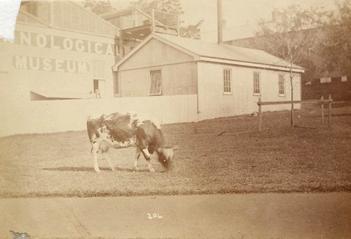
A temporary home was found for the fledgling Museum, the Agricultural Hall, basically a large shed, in the Domain. During this period the process of building the collection began, two notable acquisitions were New South Wales' first train, Loco No 1, and a beam engine made by Boulton and Watt in 1785.
Within two years, the Museum had outgrown the Agricultural Hall and by 1888 attendance was declining as the cramped nature of the building meant that many objects could not be viewed.
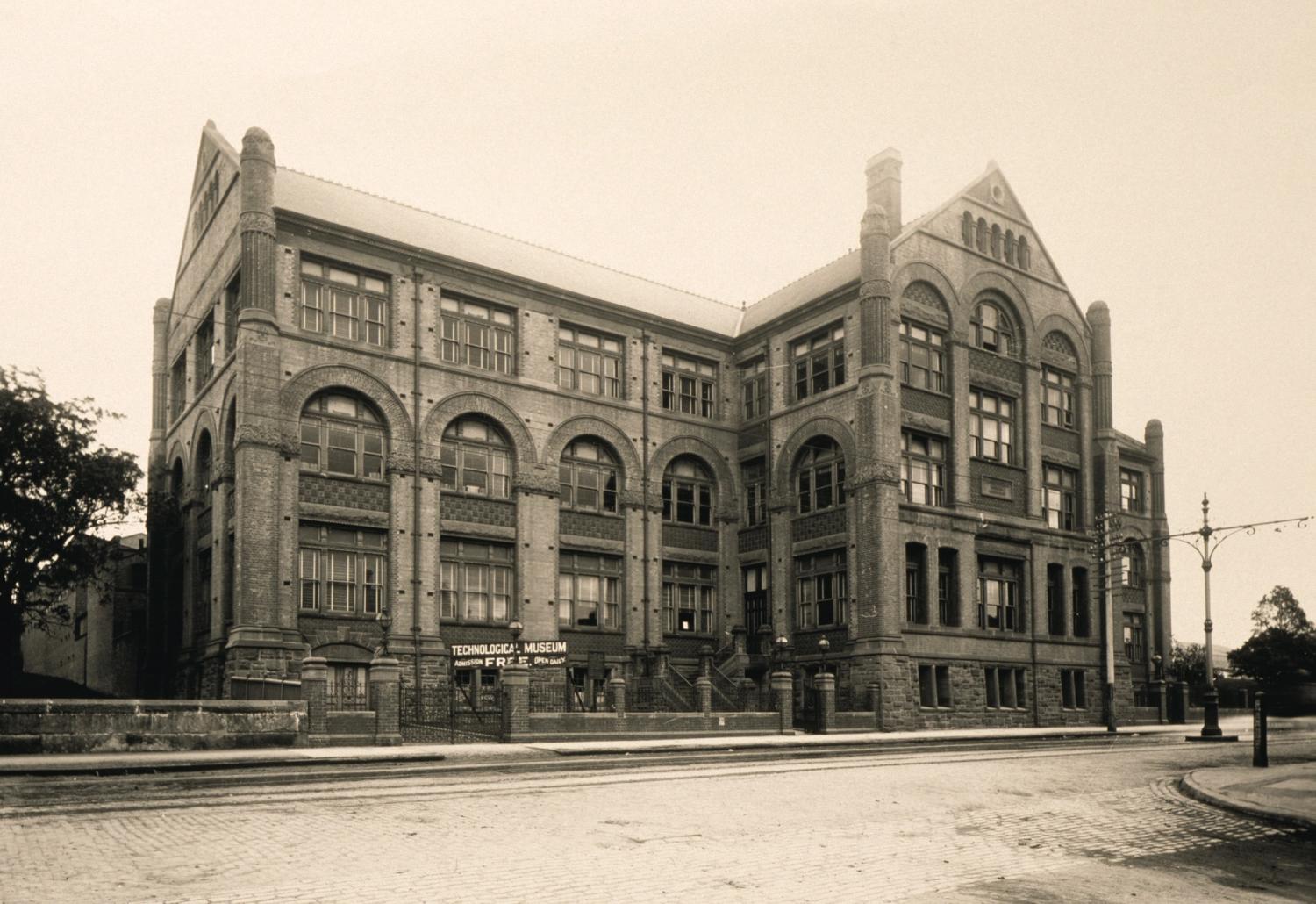
Happily, 1893 saw the move of the newly renamed Technological Museum to a dedicated building in Harris Street, Ultimo, beside the Sydney Technical College. The Museum had found its first permanent home.
Display of the wide range
of fishing products made
by the Redditch Factory
in England
Treasures and technology
The Technological Museum collected objects both familiar and exotic. Chinese musical instruments, Australian decorative arts, Japanese swords, model locomotives, reproductions of the 'treasures' of Europe, the latest in technology - these were the drawcards that kept visitors flowing in.
We still collect leading-edge technologies and crafts from around the world, but the emphasis has changed over the years. And for a while there, we were one of Australia's leading scientific research institutions.
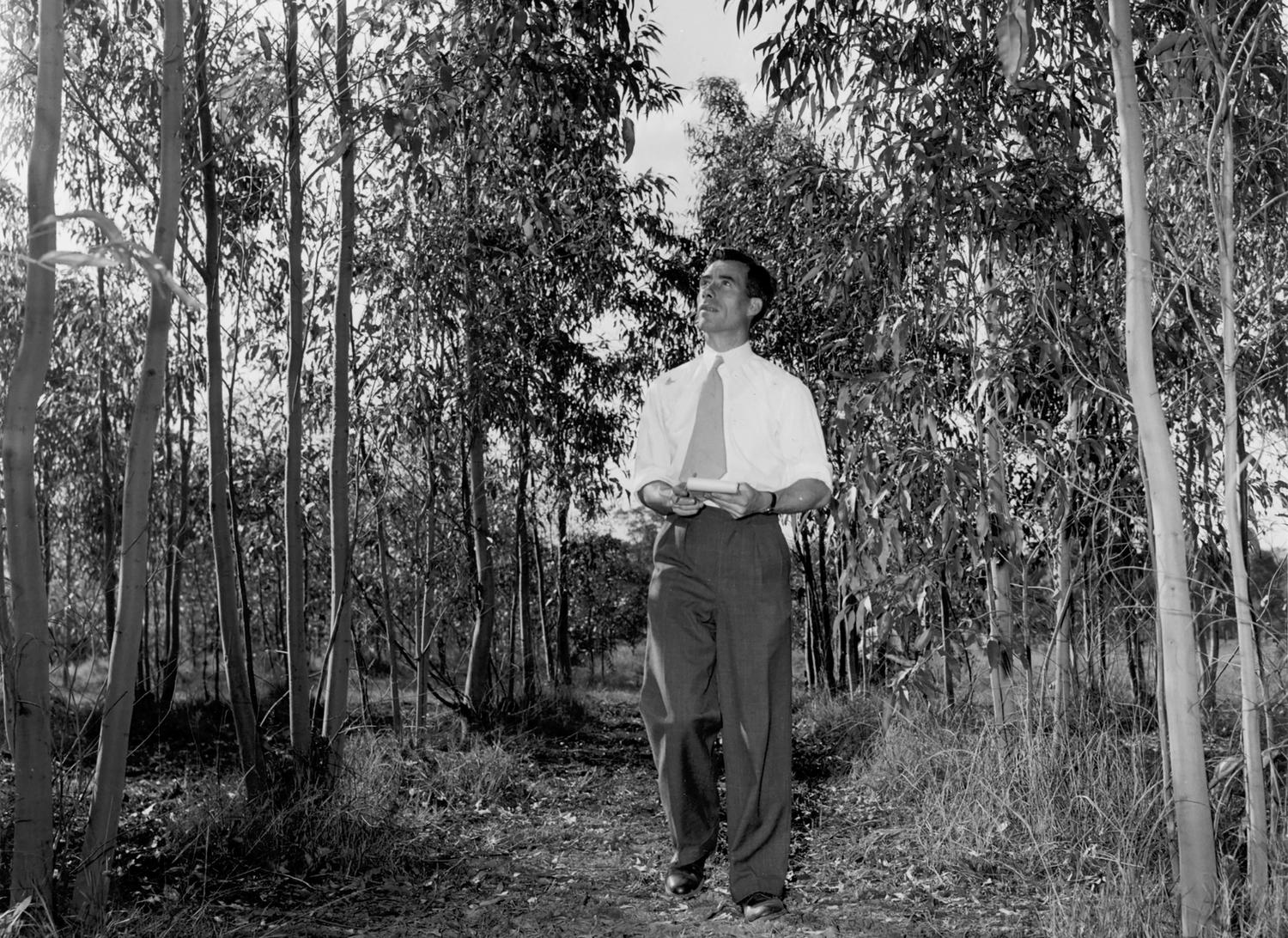
Behind the scenes, the Technological Museum was a scientific research centre. Research into essential oils was one long and vital project. Offshoots of the work included mosquito repellents, new disinfectants, eucalyptus cough lollies.
We were also classifying Australian sea and plant life and even finding uses for ‘underutilised' resources such as carrot skins and rabbit heads. The Museum was a paradise for kids with its whirring mechanisms, the push-button noughts and crosses machine, and other weird and wonderful things.
The Museum of Applied Arts and Sciences
In 1945 we were renamed the Museum of Technology and Applied Science, which was changed to the Museum of Applied Arts and Sciences, still our formal title, in 1950. A real problem arose -- not enough space for the exhibitions and ever-expanding collection. A new home was desperately needed. But where to next?
The old Ultimo power station
Ultimo power station
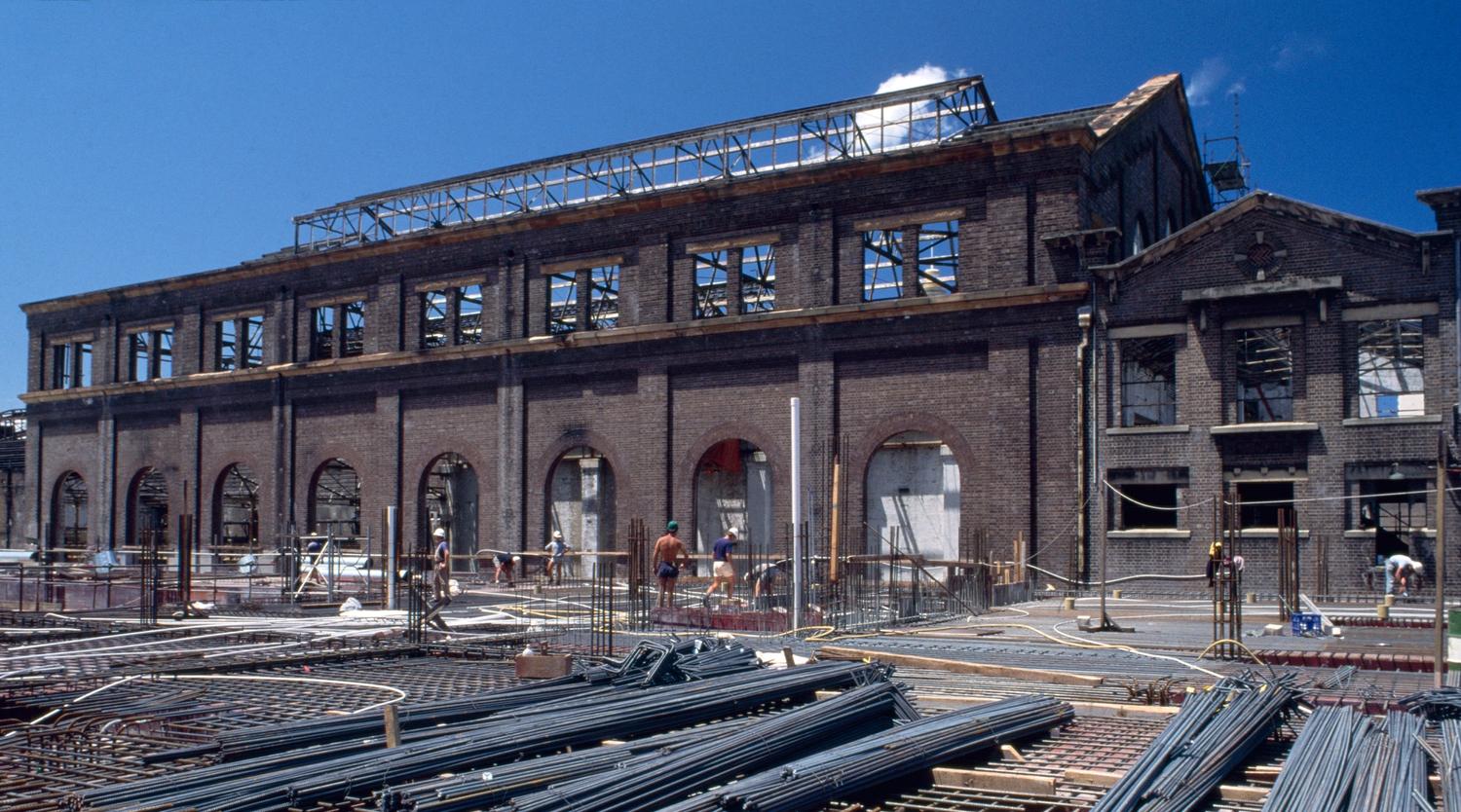
Further along Harris Street from the Museum of Applied Arts and Sciences stood the old Ultimo power station. It was built in 1899-1902 to provide power for Sydney's new electric tram system, but the last tram stopped in 1961 and the building lay derelict and unloved. Supporters of a new home for the Museum's collection saw the site's potential. In 1979 the NSW government announced that the Museum would move to the power station site.
The Powerhouse Museum
A museum is a different animal from a power station. The new Powerhouse Museum needed to house enormous objects like the Catalina flying boat and the Boulton & Watt steam engine, as well as delicate lace and precious ceramics. A modern museum needs theatres, classrooms, disability access, eating places and other amenities.
Space suit used by Air
Force Lieutenant Colonel
Gennady Manakov in 1990
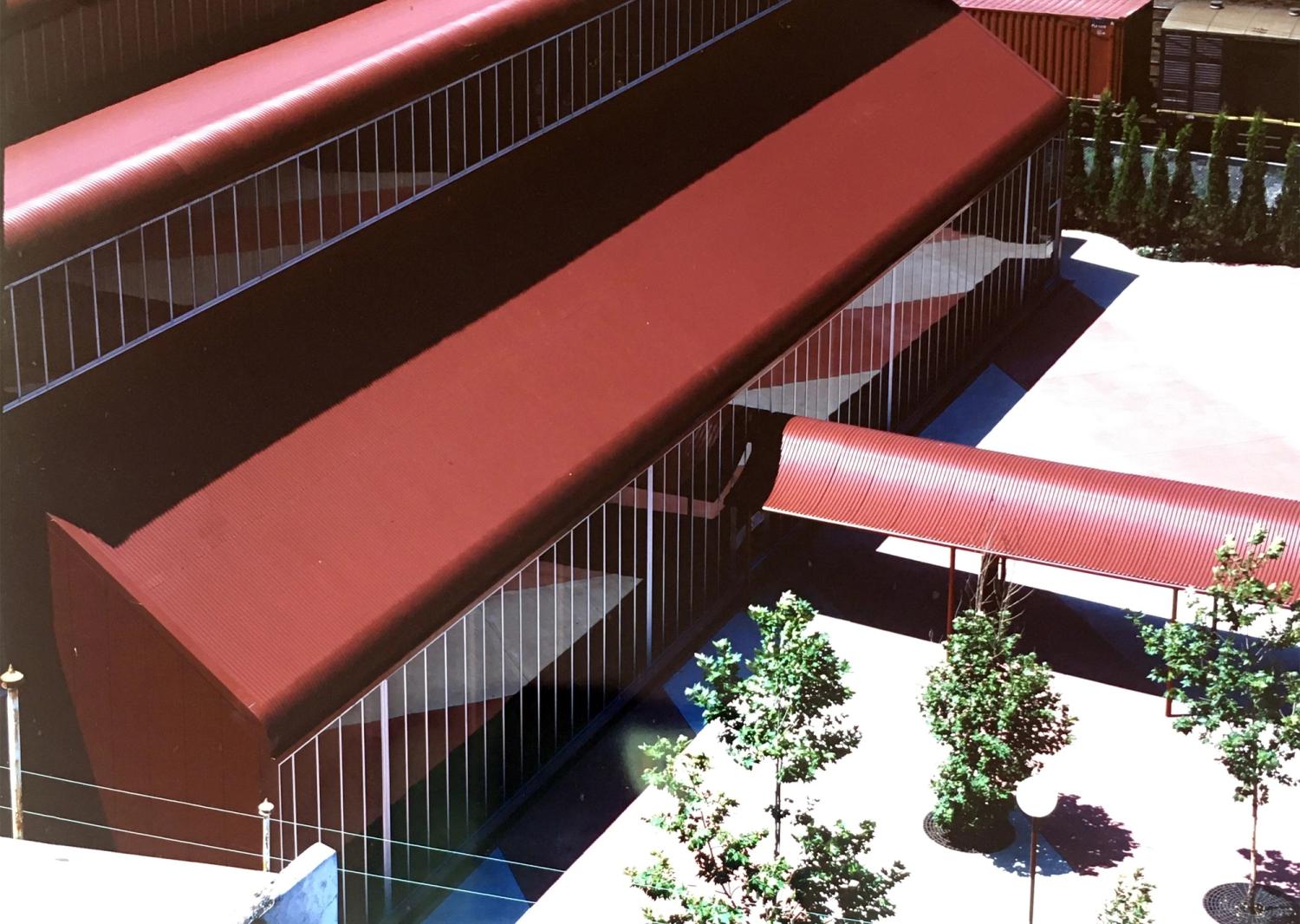
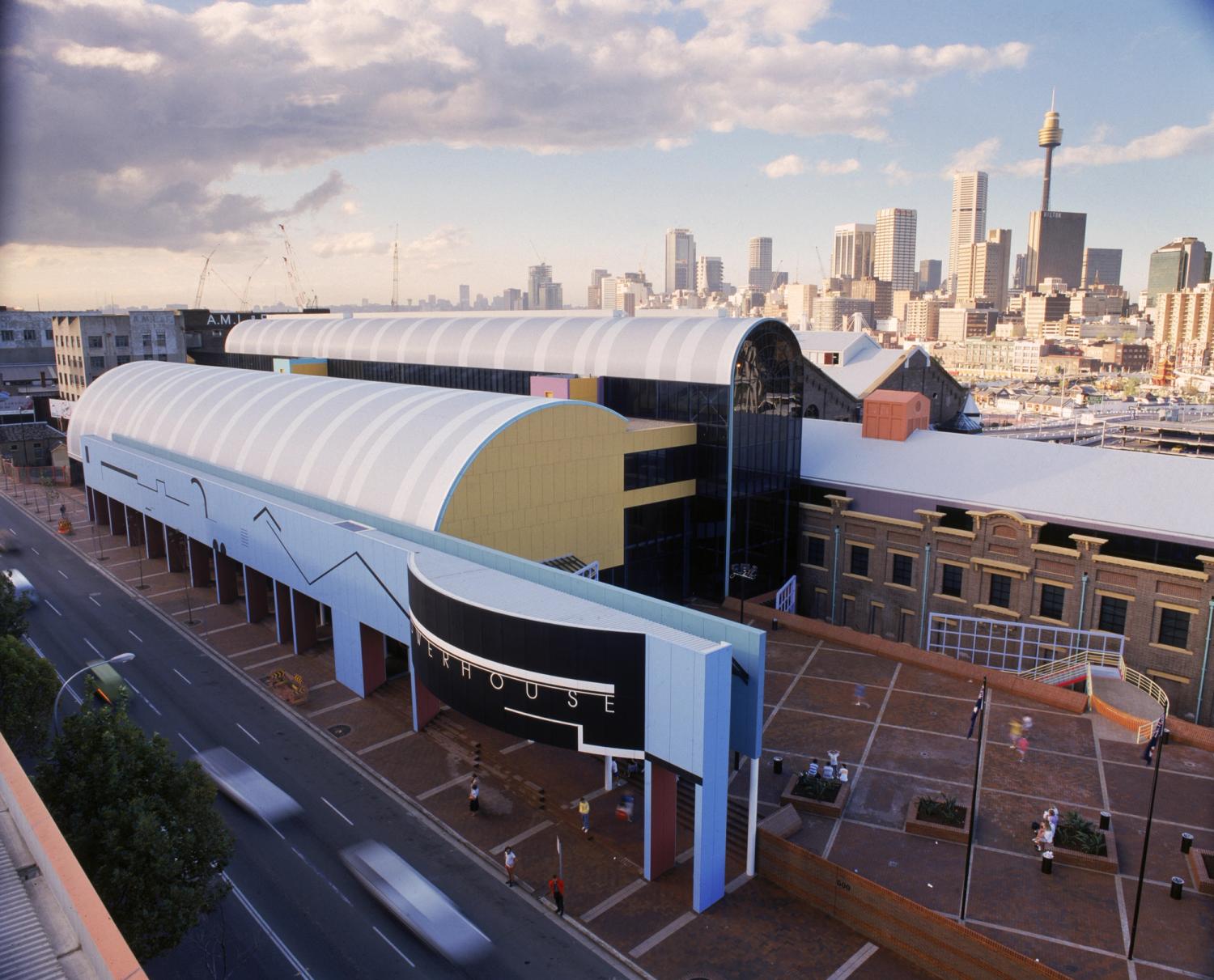
Government architect Lionel Glendenning redesigned the old interior spaces and added a new building that worked with the old but looked to the future. It was inspired by the grand railway stations and exhibition halls of the 19th century.
Onward and upward
The old tram depot adjacent to the power station, later to become offices, workshops, laboratories and storage, opened as Stage One in 1981. The Powerhouse Museum opened to the public in March 1988 as the flagship of the Museum of Applied Arts and Sciences (MAAS).
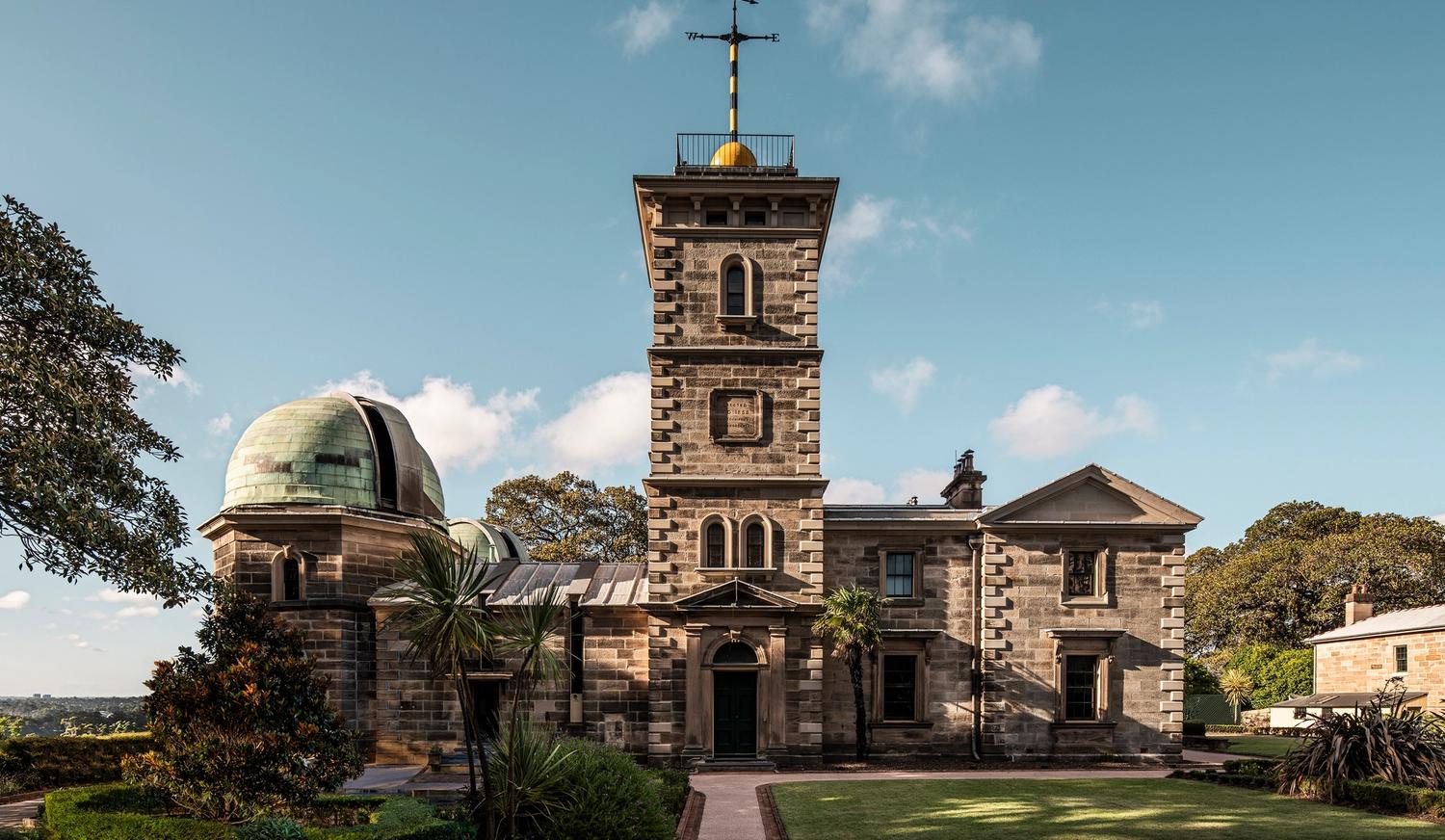
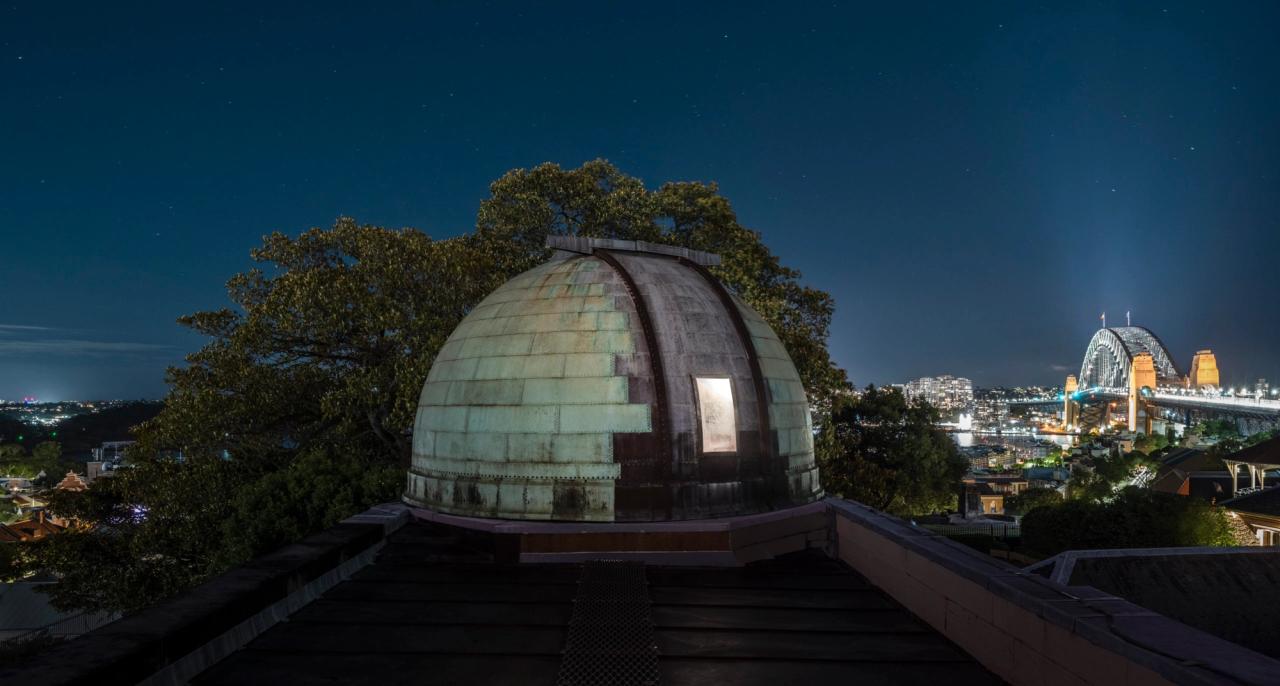
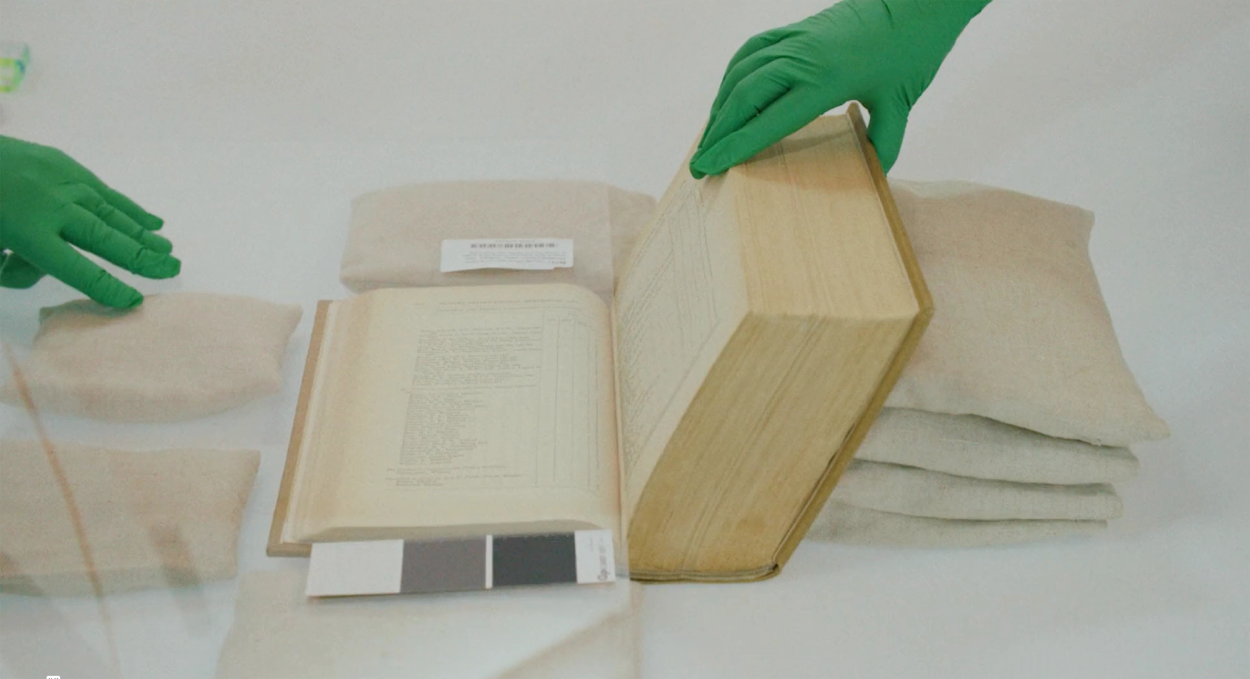
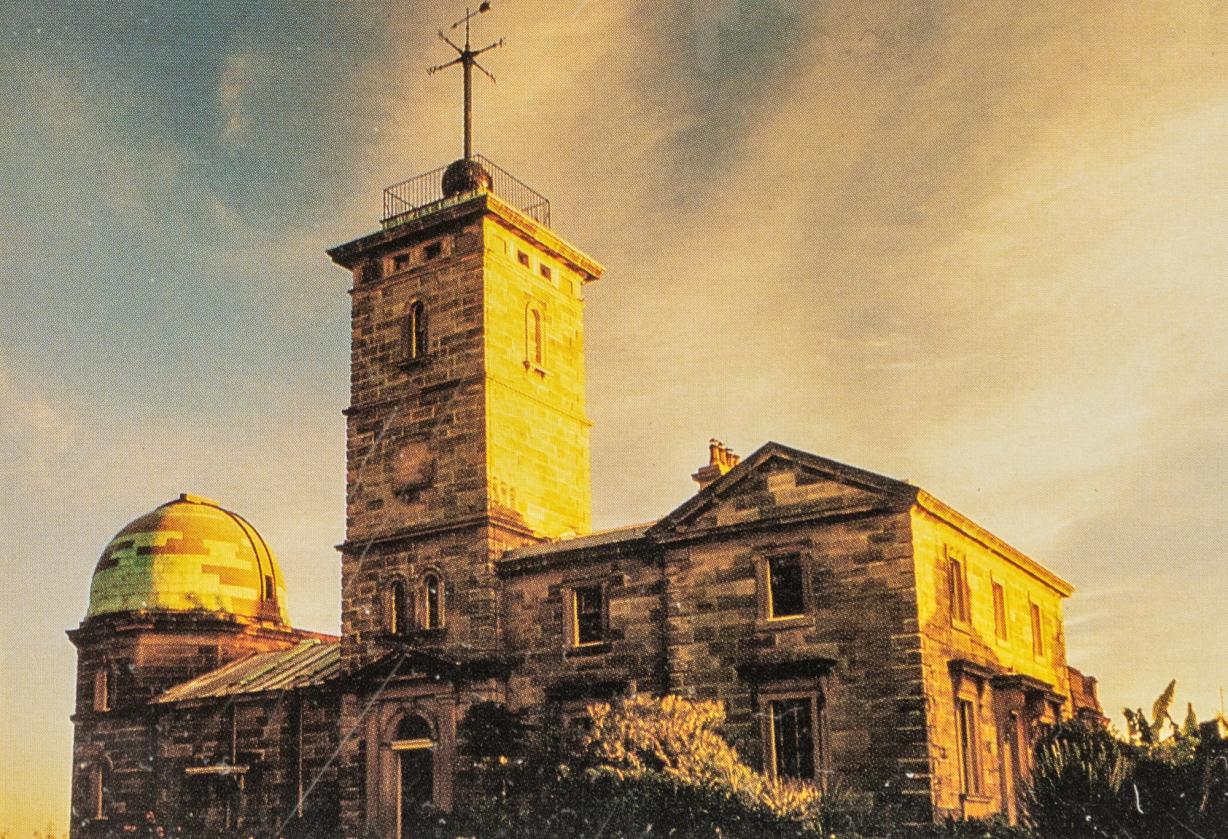
The Museum also incorporates Sydney Observatory, a heritage site overlooking Sydney Harbour, which functions as a museum of astronomy and a place where visitors can view the southern sky and stars. In 2007 the Museum launched the Powerhouse Discovery Centre: Collection Stores at Castle Hill which, following a global recognition of the need to provide greater access to heritage collections, allows visitors to access around 50,000 items of the collection in storage and also learn about its care and maintenance. Much of the Museum’s collection is now also available online through images and documentation.
The NSW Migration Heritage Centre is also located at the Powerhouse Museum. The Centre manages community partnership programs to record the history and heritage legacy of migrant communities. While some projects are developed within the Museum, many others are developed with the Centre’s network of partners, in particular, Local Government bodies and Sydney metropolitan and rural and regional museums.
The Museum continues to challenge itself to meet the needs of a changing and technologically advancing world and is acknowledged as a place of learning, creativity and innovation.