Museum Governance and Management

Background
Before 1945, a Committee of Management, chaired by the Curator (Director) was responsible for the Museum’s development. For much of its history, the Museum reported to the Minister for Public Instruction, later the Minister for Technical Education. Today it is a statutory body in the Ministry of Tourism, Major Events and Arts, part of the Department of Trade and Investment, Regional Infrastructure and Services, responsible to the Minister for the Arts.

MAAS Act
Since 1945 the Museum has operated under the authority of its own Act of Parliament, The Museum of Applied Arts and Sci ences Act, 1945. It provides for the appointment of nine Trustees who, subject to the direction and control of the Minister, exercise the powers conferred by the Act.
The Act describes in very broad terms the role and functions of the Trust. Unlike more contemporary legislation it does not comprehensively outline the relationships between Trustees, the Minister, the Department of Trade and Investment, Regional Infrastructure and Services, and Museum management and staff. Effectively the governance of the Museum is shared among the Minister for the Arts, the Trust and the Director, the Act providing a framework for carrying out their respective roles.
In 1961 The Museum of Applied Arts and Sciences Regulation was introduced to deal with aspects of meeting procedures and management of the Museum. There is a statutory requirement to review the Regulation every five years. The most recent regulation came into force on 1 September 2007.

The Minister
The Minister for the Arts is responsible to Parliament for operations of the Museum.  The Hon George Souris MP is Minister for the Arts. 

The Museum of Applied Arts and Sciences is a statutory body in the Ministry of Tourism, Major Events and Arts, part of the Department of Trade and Investment, Regional Infrastructure and Services.

The Ministry is made up of Arts NSW, the Art Gallery of NSW, the Australian Museum, Sydney Opera House, Museum of Applied Arts and Sciences, State Library, Office of Liquor, Gaming and Racing and the Casino, Liquor and Gaming Authority.

The Trust
The Minister nominates the Trustees for appointment by the Governor of NSW, for a term of up to three years, for a maximum of three terms. The Government has a commitment to ensuring representation across a range of representative categories on public sector Boards and Trusts. The MAAS Act specifies that there will be 'at least one person knowledgeable and/or experienced in education' and 'at least one person knowledgeable and/or experienced in the arts or sciences'. The Governor may, on the Minister’s recommendation, remove any Trustee from office, make regulations and appoint staff.

The Act gives the Trust the power to control and manage property; accept gifts and bequests; establish and manage branches; generally exercise control, management, maintenance and administration of the Museum to meet the needs and demands of the community in any or all branches of applied science and art and the development of industry; and recommend regulations. It is required to submit an annual report to Parliament. It has a broad mandate to display objects, promote craftsmanship and artistic taste, foster understanding and education by a wide variety of means and encourage scientific research.

The Trust regularly reviews the activities and finances of the Museum, approves budgets and expenditure over certain amounts, approves major policies, advises on directions of and plans for the Museum and advocates within the public and private sectors on its behalf. The Trustees represent the public in the management and policy formulation of the Museum.

Trustees are required to register their relevant private interests, e.g. directorships of companies, boards and trusts, and any significant political affiliations. Trustees are expected to declare any conflict of interest with items on the Trust agenda, such as commercial engagements, and to implement the policies and priorities of the Government of the day in a bipartisan fashion.

The President
The Act provides for the Minister to nominate the President from among the Trustees, and that person presides at meetings of the Trustees, is consulted on the agenda, and approves the minutes. The Regulation provides that the President is ex officio a member of any committee appointed by the Trustees. The Act also provides for the Trustees to nominate one of their number as Deputy President who may preside in the absence of the President.

The President’s working relationships with the Trustees, Director, and the Minister, are critical to ensuring the effective management, development and standing of the Museum. The President is also an important link between the Museum and the public, Government, Minister, corporate sector, and media.

The Director
The Director is appointed by the Director-General of the Department of Trade and Investment, Regional Infrastructure and Services and employed under the terms of the Public Sector Management Act 1988. The Director is given responsibility, under the MAAS Regulation, for the administration and management of the Museum and for any services provided, for reporting to the Trustees and approving and accepting loans of objects to and from other bodies or persons. The Director has a performance agreement with the Director-General.

Senior Management structure
The Director is responsible to the Trustees of the Museum and the Minister for the Arts, through the Department of Trade and Investment, Regional Infrastructure and Services, for the overall management and control of the Museum and its activities.

The Director is supported in the role of chief executive by: General Manager, Marketing, Programs and Commercial Services (Mr Mark Goggin) ; General Manager, Collection Management and Outreach Services (position currently vacant); General Manager, Curatorial, Digital, Social and Emerging Technologies (position currently vacant); General Manager, Corporate and Financial Services and Facilities Management (Mr Keith Edwards); and, Manager, Strategic Policy and Planning (Mr Peter Morton).  With the two vacant General Manager positions a rotating roster of staff representatives have been given professional development opportunities to act as members of the Executive.  Current members are - Acting Manager, Conservation (Mr Dave Rockell), Manager, Digital Social and Emerging Technologies, Mr Seb Chan and Principal Curator, Design and Society (Ms Christina Sumner).

Strategic Policy and Planning
The Board of Trustees is given logistical support by the Strategic Policy and Planning department, which reports to the Director. The department manages the preparation of the papers for the Trust meetings and provides support services as required.
All Trustee liaison with the public or Museum staff other than the Executive is handled through the Manager, Strategic Policy and Planning, Peter Morton,
(telephone 9217-0576 or petermo@phm.gov.au).

Review mechanisms
Review mechanisms The Museum engages in several levels of performance review practices including a performance agreement between the Director and the Director-General of the Department of Trade and Investment, Regional Infrastructure and Services and subsequently between the Director and General Managers.

Internal review mechanisms include fortnightly meetings of the Museum Executive (Director with General Managers and Manager, Strategic Policy and Planning). Divisional activities are summarised in monthly reports to the Board of Trustees. Key outcomes of activities against the Museum's Strategic Plan are provided to the Board of Trustees, and management review of the Plan is supported by the annual department and divisional Business Plans.

Convention
In practice the roles of the President, Trustees and Director involve complex interactions, and, as with most institutions, are governed by convention, precedent and consensus. Responsibilities are exercised on the basis of consultation within a broadly accepted framework of values and ethics, while acknowledging, in our system of government, the final authority of the Minister, who, in turn, is answerable to the Parliament.

Codes of ethics have been developed within the national and international museum communities that represent a broad consensus on accepted values and best practice for the management of museums. These values and practices are codified in all areas of museum management, including basic principles of governance, acquisition and disposal, and professional conduct.

As a member of the International Council of Museums (ICOM), the Museum affirms its adherence to best international practice expressed within the ICOM Code of Professional Ethics. The Museum effectively operates within the framework of the Code of Ethics for Art, History and Science Museums adopted in 1999 by Museums Australia, the peak national association representing the museum and gallery sector.

The Context
The Museum of Applied Arts and Sciences* is a statutory body in the Ministry of Tourism, Major Events and Arts, part of the Department of Trade and Investment, Regional Infrastructure and Services.

The Ministry is made up of Arts NSW, the Art Gallery of NSW, the Australian Museum, Sydney Opera House, Museum of Applied Arts and Sciences, State Library, Office of Liquor, Gaming and Racing and the Casino, Liquor and Gaming Authority.

The Museum ‘holds in Trust’ for the people of New South Wales an invaluable collection, representing over a century of industry, innovation and social progress. As a public institution, the responsibilities to Government include reporting and accountability provisions that do not normally apply in the private sector.

The Museum is bound to implement and report against the relevant policies and identified priorities of the Government of the day in a bipartisan fashion.

The Museum is also expected to collaborate with the other State cultural institutions and to liaise and cooperate with various Government departments. Increasingly the Museum is encouraged to identify additional sources of funds, and develop a more commercial and entrepreneurial approach. The balance between public sector and entrepreneurial values is an important aspect of the Trust’s responsibilities.
The Museum must also maintain effective relationships with a range of key interest groups. These include professional bodies, affiliated societies and interest groups, corporate partners and like institutions.

Current Trustees


Professor John Shine

Professor John Shine AO, FAA, BSc (Hon), PhD, DSc
Term: 25.01.12-31.12.13
President (from 25.01.12)
Chairman, CSL Limited;
Executive Director, Garvan Institute of Medical Research 1990-2011;
Professor of Medicine and Professor of Molecular Biology, University of NSW; Former Chairman, National Health and Medical Research Council; Fellow, Australian Academy of Sciences


Professor Shirley Alexander

Professor Shirley Alexander
Term: 01.01.07-31.12.09; 24.02.10-31.12.12; 01.01.13-31.12.15
Deputy Vice-Chancellor (Teaching, Learning and Equity) University of Technology, Sydney


John Barbouttis

Mr John Barbouttis BCom (Hons), LLB, Solicitor
Term: 11.01.12-31.12.14
International businessman. Director of a family controlled group of companies; Member, Maritime Advisory Council, (Roads and Maritime Services NSW); CEO and Commodore, Royal Motor Yacht Club, Point Piper; Former Head of Business Development, Business and Private Bank, National Australia Bank


Robert Cameron

Mr Robert Cameron AO, BE (Hons), MBA, GradDip Geoscience, FAusIMM, FAIM, FAICD
Term: 11.01.12-31.12.14
Chairman, Centennial Coal Company Limited (Formerly its founder, Managing Director and CEO (1994-2011); Chairman - County Coal Ltd; Minerals Industry Advisory Council, UNSW; Pacific Smiles Ltd;
Director: Hunter Valley Training Company Ltd; Mining Education Australia; Member - UNSW Dean’s Engineering Industry Advisory Council; UNSW Minerals Trust advisory Board; NSW Clean Coal Council; Rotary Club of Sydney Cove

Tim Ebbeck

Mr Tim Ebbeck BEc, MAICD, FAIM, FCPA
Term: 11.01.12-31.12.14
Chief Commercial Officer, NBN Co;
Former President and CEO of SAP Australia and New Zealand;
Former group CFO in the Asia Pacific Region for TMP Worldwide;
Co-Chairman Maharashtra Cup; Professional mentor at CPA Australia


James Longley

Mr James Longley BEc, MEc, FCPA, FAIM, FAICD
Term: 11.01.12-31.12.12; 01.01.13-31.12.15
Chief Executive, Ageing, Disability and Home Care;
Former Executive Vice President, Government Banking Group, Commonwealth Bank of Australia; Director, RSL Life Care (Veterans Retirement Villages); Member, Sustainability Council of Financial Services Institute of Australasia; Former CEO & Managing Director, Anglican Retirement Villages;Former Member of Parliament of NSW (1986-1996) and Minister, Community Services, Ageing, Aboriginal Affairs;


Judith O'Callaghan

Dr Judith O'Callaghan
Term: 01.01.13-31.12.15
Senior Lecturer, Interior Architecture Program, Faculty of the Built Environment, University of New South Wales


Helen Sham-Ho

Hon Helen Sham-Ho OAM
Term: 02.03.11-31.12.13
MLC, NSW Parliament 1988-2003;
Practising solicitor;
Charter President, NSW Parliamentary Lions Club;
Vice President, NSW Parliament Asia-Pacific Friendship Group;
Patron, Macquarie University Foundation; Ambassador, University of Technology Sydney


Judith Wheeldon

Ms Judith Wheeldon, AM, BS (Wis) MEd (Syd) FACE GAICD
Terms: 01.01.05–31.12.07: 01.01.08-31.12.10: 02.03.11-31.12.13
Board Member - Montessori Children's Foundation, Masterman Trust, UTS China Study Centre Advisory Board;
Former Headmistress Abbotsleigh and Queenwood;
Former Member - Australian Teaching and Learning Council; Federal Ministerial Advisory Committee on AIDS, Hepatitis C, Aboriginal Sexual Health - Hepatitis C Subcommittee;


Senior Management

Dawn Casey

Director
Dr Dawn Casey PSM FAHA

Dr Dawn Casey was appointed Director of the Museum of Applied Arts and Sciences in March 2008. She was previously the Chief Executive Officer of the Western Australian Museum from 2005-2007 and Director of the National Museum of Australia from 1999 to 2003. Prior her appointment as Director she led the authority responsible for the construction and development of the museum, which was conceived as a Centenary of Federation project.

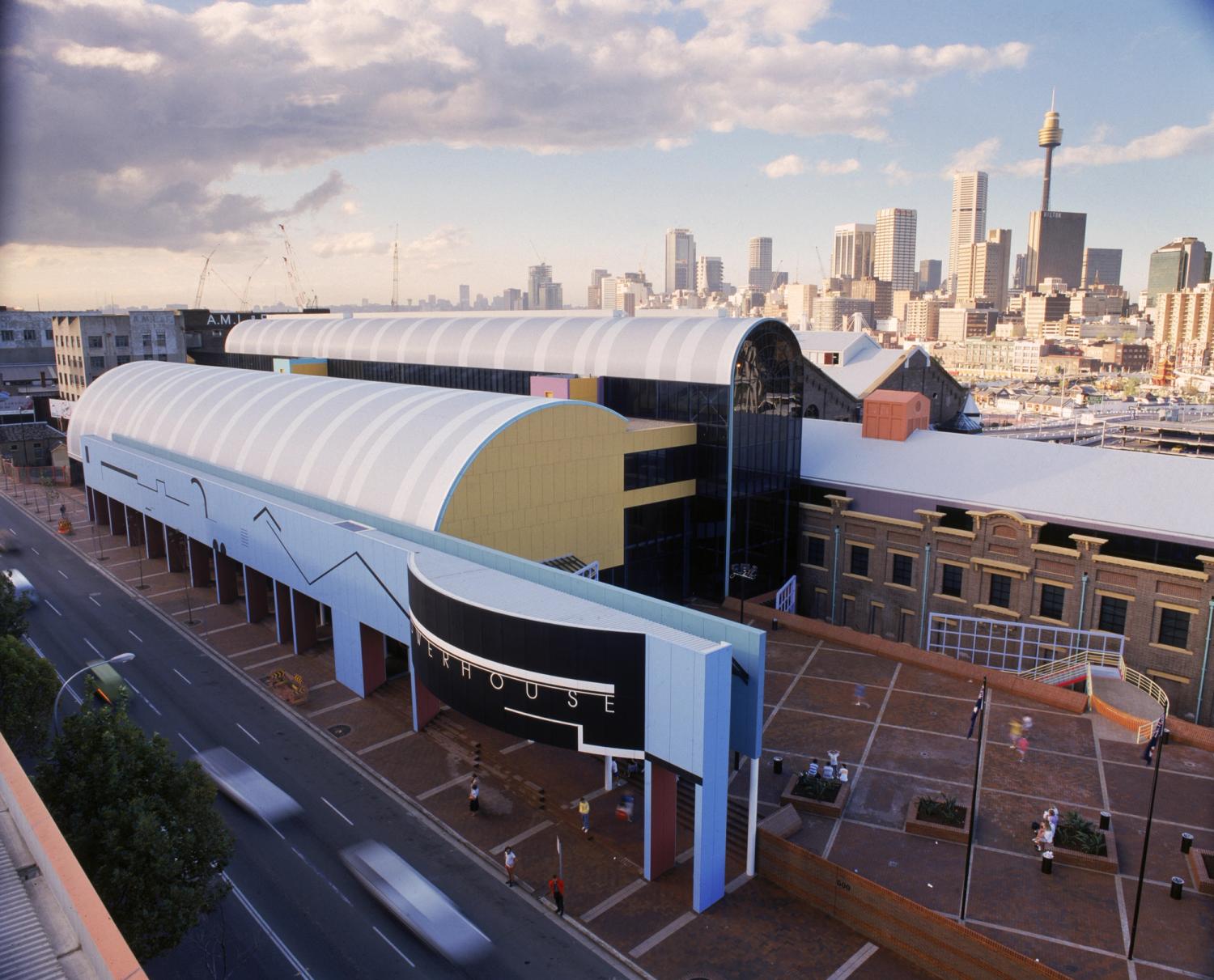
Her experience in establishing and repositioning museums has informed developments at the Powerhouse since 2008.  There has been a focus on articulating a clearer direction for the Museum, and for this to shape exhibition, public program and other content development, and for the revitalisation of gallery spaces.  There has also been a focus on structures, work practice and the culture of the organisation to ensure it takes account of new technologies, changing lifestyle and interests.  In 2011 the Powerhouse undertook a Revitalisation capital works project which resulted in the reinstatement of a major travelling exhibition gallery, a new entrance, shop and cafe

Prior to joining the museum sector Dawn worked in a number of key Federal Government roles, including a period in the Office of Prime Minister and Cabinet.  Her experience includes a major contribution to Indigenous policies and programs and Australia’s Cultural Heritage nationally.  Her career includes the establishment of the Council for Aboriginal Reconciliation and initiation of the joint Commonwealth/State response to the Royal Commission into Aboriginal Deaths in Custody.

As Assistant Director General, AusAID, Dawn’s responsibilities included Multilateral Development Banks, the United Nations, the World Health Organisation and other international programs.

She has represented Australia internationally including on the Development Board for Commonwealth Countries, the Global Environment Facility and on various United Nations Delegations.

Dr Casey is currently an Adjunct Professor to the University of Technology Sydney, University of Queensland, Griffith University and Murdoch University and serves on a number of boards and committees.  These include the University of Western Australia, three advisory bodies at the Australian National University and she chairs the Advisory Board for the Centre for Cultural Materials Conservation at the University of Melbourne.  Dr Casey is a member of the Queensland Design Council and an advisory group for the Humboldt Museum in Berlin.  She was appointed Chair of Indigenous Business Australia in June 2009, and in October 2011 was also appointed as Chair of the Indigenous Land Council.

Dr Casey’s awards for achievement include:
Honorary Fellow of the Australian Academy of the Humanities (FAHA); Honorary Doctorate of Arts, Charles Sturt University; Honorary Doctorate of Philosophy, University of Queensland; Australia Day Public Service Medal (PSM); Centenary of Federation Medal; Centenary of the Australian Public Service Medal; Three Commonwealth Public Service Australia Day Medals (1985, 1988 and 1996); and, The Clem Cummings Award for the Royal Australian Institute of Architects.

General Manager,
Collection Management and Outreach Services
currently vacant


General Manager,
Curatorial, Digital, Social and Emerging Technologies
currently vacant


Mark Goggin

General Manager,
Marketing, Programs and Commercial Services
Mark Goggin, BA Hons (Melb)

Mark Goggin has a broad range of management experience across the arts, media, sponsorship, education and health sectors.  Originally trained as a psychologist, BA (Hons), University of Melbourne, Mark has worked as an educator, researcher, marketer, events manager and CEO within the health and education sectors.  Most notably, he was Executive Director of the Western Australian AIDS Council (1994-1996) before moving into the arts sector.

Prior to working at the Museum, Mark worked as General Manager of Sydney Gay and Lesbian Mardi Gras (1996-2001).  During his time at Mardi Gras, the event grew into the largest tourism event in Australia, generating an annual economic impact for Sydney of over $100 million as well as significant growth in international, media, sponsorship and marketing profile.

Mark oversees the operations of a range of customer focussed departments within the Museum, including: marketing and communications; customer relations; education and program development; editorial and publishing; and venue and security operations (including Powerhouse Events).  Mark is a member of the National Development and Marketing Forum for Cultural Institutions. Mark is currently engaged in part time studies towards a Masters of Public Administration, through Australian & New Zealand School of Government (ANZSOG).


Keith Edwards

General Manager,
Corporate and Financial Services and Facilities Management/ Chief Finance Officer
Keith Edwards B Bus (Acc/Comp) FCPA FCIS GAICD JP

Keith Edwards has a Bachelor of Business from Charles Sturt
University with a double major in accounting and computing.  He is a fellow member of CPA and the Institute of Chartered Secretaries and a graduate member of the Institute of Company Directors.  Keith has completed an Executive Development Program run by University of NSW, the Business Certificate from the Australia Institute of Management and the Company Directors Course from the Institute of Company Directors.

Keith has a sound commercial background in finance, human resources, information technology, contracting, project management, governance and occupational health and safety.  His experience has been obtained from working with large national and international engineering companies.  Some of the infrastructure products that these companies supplied are air pollution control equipment, power stations, pulp and paper dryers, freight locomotives and passenger train carriages.
Over 15 years experience as a senior manager in these companies has assisted Keith in achieving major positive outcomes for the organisations he was employed by. Among these were -

  • Arranging funding in excess of $200m for rolling stock projects for two state governments;
  • Project managing the implementation of an ERP computer system for Australia and NZ operations;
  • Improving the financial position of the organisation by re-engineering systems and procedures; and,
  • Implementing cultural change throughout the organisation after acquiring new companies.

Peter Morton

Manager,
Strategic Policy and Planning,
Peter Morton BA (Hons) UNSW
Peter joined the Museum in late 2001 as Executive Officer.  The role involved Executive support and liaison within the Museum, with the Board of Trustees and with central agencies of government, particularly the Department of Arts, Sport and Recreation and Arts NSW.  His position was broadened in late 2008 to assume responsibility for planning and policy.

Prior to joining the Museum Peter had an extensive career in broadcasting.  Commencing as a producer and presenter for ABC Radio National he was involved in talks and documentary production, arts programming, children's and education programs.  

He is the recipient of international awards for his productions.  He went on to manage Radio National's spoken word programming and subsequently became Chief of Staff to the Managing Director, David Hill.  Following David's departure he became Head of Policy for ABC Television.

On leaving the ABC in 1999 he was appointed Chief of Staff to the Lord Mayor of Sydney, Frank Sartor.  In this role he was actively involved with Sydney's presentation of the 2000 Olympic Games.  It was his association with the Powerhouse during this period that aroused an interest in museums, and subsequently led to his appointment as Executive Officer.