Museum Governance and Management

Background
Before 1945, a Committee of Management, chaired by the Curator (Director) was responsible for the Museum’s development. For much of its history, the Museum reported to the Minister for Public Instruction, later the Minister for Technical Education. Today it is a statutory body in the Arts portfolio, responsible to the Minister for the Arts.

MAAS Act
Since 1945 the Museum has operated under the authority of its own Act of Parliament, The Museum of Applied Arts and Sciences Act, 1945. It provides for the appointment of nine Trustees who, subject to the direction and control of the Minister, exercise the powers conferred by the Act.

The Act describes in very broad terms the role and functions of the Trust. Unlike more contemporary legislation it does not comprehensively outline the relationships between Trustees, the Minister, the Department of the Arts, Sport and Recreation, and Museum management and staff. Effectively the governance of the Museum is shared among the Minister for the Arts, the Trust and the Director, the Act providing a framework for carrying out their respective roles.

In 1961 The Museum of Applied Arts and Sciences Regulation was introduced to deal with aspects of meeting procedures and management of the Museum. There is a statutory requirement to review the Regulation every five years. The most recent regulation came into force on 1 September 2007.

The Minister
The Minister for the Arts is responsible to Parliament for the administration of Arts NSW, which is part of the Department of the Arts, Sport and Recreation, and overall policy. Arts NSW is responsible on behalf of the Government and the Minister for the Arts for implementing Government policies and priorities and monitoring the management of the State cultural institutions.

The Trust
The Minister nominates the Trustees for appointment by the Governor of NSW, for a term of up to three years, for a maximum of three terms. The Government has a commitment to ensuring representation across a range of representative categories on public sector Boards and Trusts. The MAAS Act specifies that there will be 'at least one person knowledgeable and/or experienced in education' and 'at least one person knowledgeable and/or experienced in the arts or sciences'. The Governor may, on the Minister’s recommendation, remove any Trustee from office, make regulations and appoint staff.

The Act gives the Trust the power to control and manage property; accept gifts and bequests; establish and manage branches; generally exercise control, management, maintenance and administration of the Museum to meet the needs and demands of the community in any or all branches of applied science and art and the development of industry; and recommend regulations. It is required to submit an annual report to Parliament. It has a broad mandate to display objects, promote craftsmanship and artistic taste, foster understanding and education by a wide variety of means and encourage scientific research.

The Trust regularly reviews the activities and finances of the Museum, approves budgets and expenditure over certain amounts, approves major policies, advises on directions of and plans for the Museum and advocates within the public and private sectors on its behalf. The Trustees represent the public in the management and policy formulation of the Museum.

Trustees are required to register their relevant private interests, e.g. directorships of companies, boards and trusts, and any significant political affiliations. Trustees are expected to declare any conflict of interest with items on the Trust agenda, such as commercial engagements, and to implement the policies and priorities of the Government of the day in a bipartisan fashion.

The Trust normally holds seven ordinary meetings each year commencing in February.

The President
The Act provides for the Minister to nominate the President from among the Trustees, and that person presides at meetings of the Trustees, is consulted on the agenda, and approves the minutes. The Regulation provides that the President is ex officio a member of any committee appointed by the Trustees. The Act also provides for the Trustees to nominate one of their number as Deputy President who may preside in the absence of the President.

The President’s working relationships with the Trustees, Director, and the Minister, are critical to ensuring the effective management, development and standing of the Museum. The President is also an important link between the Museum and the public, Government, Minister, corporate sector, and media.

The Director
The Director is appointed by the Governor on the recommendation of the Minister and employed under the terms of the Public Sector Management Act 1988. The Director is given responsibility, under the MAAS Regulation, for the administration and management of the Museum and for any services provided, for reporting to the Trustees and approving and accepting loans of objects to and from other bodies or persons. The Director has a performance agreement with the Director-General of the Department of the Arts, Sport and Recreation (on behalf of the Minister).

Senior Management structure
The Director is responsible to the Trustees of the Museum and the Minister for the Arts, through the Department of the Arts, Sport and Recreation, for the overall management and control of the Museum and its activities.

The Director is supported in the role of chief executive by: Deputy Director, Collections, Content Development and Outreach (Ms Jennifer Sanders); Associate Director, Marketing, Programs and Commercial Services (Mr Mark Goggin); Associate Director, Exhibition Services and Digital Multi Media (position currently vacant); Associate Director, Corporate and Financial Services (Mr Keith Edwards); and, Executive Officer (Mr Peter Morton)

Secretariat
The Board of Trustees is given logistical support by the Secretariat, which reports straight to the Director. The Secretariat manages the preparation of the papers for the Trust meetings and provides support services as required.

All Trustee liaison with the public or Museum staff other than Senior Management is handled through the Museum’s Executive Officer, Peter Morton,
(telephone 9217-0576 or petermo@phm.gov.au).

Review mechanisms
Review mechanisms The Museum engages in several levels of performance review practices including a performance agreement between the Director and the Director-General of the Department of the Arts, Sport and Recreation, and subsequently between the Director and the Deputy and Associate Directors.

Internal review mechanisms include fortnightly meetings of the Museum Executive (Director with Deputy and Associate Directors). Divisional activities are summarised in monthly reports to the Board of Trustees. Six monthly reports of key outcomes of activities against the Museum's Strategic Plan are provided to the Board of Trustees, and management review of the Plan is supported by the annual department and divisional Business Plans.

Convention
In practice the roles of the President, Trustees and Director involve complex interactions, and, as with most institutions, are governed by convention, precedent and consensus. Responsibilities are exercised on the basis of consultation within a broadly accepted framework of values and ethics, while acknowledging, in our system of government, the final authority of the Minister, who, in turn, is answerable to the Parliament.

Codes of ethics have been developed within the national and international museum communities that represent a broad consensus on accepted values and best practice for the management of museums. These values and practices are codified in all areas of museum management, including basic principles of governance, acquisition and disposal, and professional conduct.

As a member of the International Council of Museums (ICOM), the Museum affirms its adherence to best international practice expressed within the ICOM Code of Professional Ethics. The Museum effectively operates within the framework of the Code of Ethics for Art, History and Science Museums adopted in 1999 by Museums Australia, the peak national association representing the museum and gallery sector.

The Context
The Museum is one of the seven State cultural institutions in the NSW Arts portfolio. The others are:-

Art Gallery of NSW
Australian Museum
Historic Houses Trust of NSW
NSW Film and Television Office
State Library of NSW
Sydney Opera House

The Museum ‘holds in Trust’ for the people of New South Wales an invaluable collection, representing over a century of industry, innovation and social progress. As a public institution, the responsibilities to Government include reporting and accountability provisions that do not normally apply in the private sector.

The Museum is bound to implement and report against the relevant policies and identified priorities of the Government of the day in a bipartisan fashion.


The Museum is also expected to collaborate with the other State cultural institutions and to liaise and cooperate with various Government departments. Increasingly the Museum is encouraged to identify additional sources of funds, and develop a more commercial and entrepreneurial approach. The balance between public sector and entrepreneurial values is an important aspect of the Trust’s responsibilities.

The Museum must also maintain effective relationships with a range of key interest groups. These include professional bodies, affiliated societies and interest groups, corporate partners and like institutions.

Current Trustees

Dr Nicholas G Pappas, MA(Syd), LLB(NSW), PhD(Syd)
Terms: 22.02.99-31.12.01; 01.01.02-31.12.04; 1.1.05-31.12.07; 1.1.08-31.12.10
(President from 01.01.03)
Principal, Nicholas G Pappas & Company, Lawyers; Chairman, Laiki Bank (Australia) Ltd; Chairman, South Sydney District Rugby League Football Club Ltd; Trustee, Greek Orthodox Archdiocese of Australia Consolidated Trust; Governor, The Steve Waugh Foundation – Australia


Dr Nicholas G. Pappas

Dr Anne Summers, AO
(Deputy President from 27.03.03)
Terms: 01.01.00–31.12.02; 01.01.03–31.12.05; 01.01.06-31.12.08
Author and journalist.


Dr Anne Summers

Professor Shirley Alexander
Photo by Joanne Saad
Term: 01.01.07-31.12.09
Deputy Vice-Chancellor (Teaching, Learning and Equity) University of Technology, Sydney

Professor Shirley Alexander

Mr Mark Bouris
Term: 01.01.03 – 31.12. 05; 01.01.06 – 31.12.08
Chairman, Australian Financial Investment Group; Chairman, Wizard Home Loans; Board Member, Eastern Suburbs Leagues Club Limited & Eastern Suburbs District Rugby League Club; Adjunct Professor in the School of Banking & Finance and the School of Business Law & Taxation, Faculty of Commerce at the University of NSW.

Mr Mark Bouris

Ms Trisha Dixon
Terms: 01.01.03 – 31.12.03; 01.01.04 – 31.12.06; 01.01.07 – 31.12.09
Photographer; author; consultant

Trisha Dixon

Mr Mark Nicholaeff
Term 01.01.07-31.12.08
Partner, UHY Haines Norton, Sydney; Director UHY International Limited; Independent Chair, Audit Committee, Museum of Applied Arts and Sciences 2004-06

Mark Nicholaeff

Ms Margaret Seale
Terms: 01.01.04 – 31.12.06; 01.01.07 – 31.12.09
Managing Director of Random House Australia and Director of
Random House New Zealand.


Margaret Seale

Mr Anthony Sukari
Terms: 01.01.01-31.12.01; 01.01.02-31.12.04; 01.01.05-31.12.07; 1.1.08-31.12.10
Chair, Panel of Advisors, Migration Heritage Centre of NSW; Chair, MigrantLink Australia Limited

Anthony Sukari

Ms Judith Wheeldon, AM, BS (Wis) MEd (Syd) FACE FAICD
Terms: 01.01.05-31.12.07; 1.1.08-31.12.10
Former Headmistress Abbotsleigh and Queenwood; Member, Federal Ministerial Advisory Committee on AIDS, Hepatitis C, Aboriginal Sexual Health  - Hepatitis C Subcommittee; Member, Australian Teaching and Learning Council Board, Montessori Children's Foundation Board, Masterman Trust Board, UTS China Study Group Advisory Board

udith Wheeldon


Senior Management

Director
Dr Dawn Casey PSM FAHA

Dr Dawn Casey was the Chief Executive Officer of the Western Australian Museum from 2005-2007.

Dr Casey is widely known nationally and internationally for her work as the Director of the National Museum of Australia.  She was responsible for the construction and development of the museum that opened as a Centenary of Federation project in 2001. 

In a world first for the building construction industry Dr Casey used Alliancing, a new form of project delivery developed by BP for North Sea oil and gas projects.  The Alliance contract promoted a ‘no dispute’ culture prohibiting litigation and avoided the traditional adversarial approaches. The museum was completed on time and on budget – a rare achievement for a major public sector building project.

In addition Dr Casey managed the transition of the museum from an organisation of some forty staff with an annual budget of $4million to a fully operational museum with 210 paid staff, 200 volunteers, an annual budget of $43million and approximately 2 million visitors within the first two and half years of opening.

Dr Casey’s other experience includes her major contribution to Indigenous policies and programs and Australia’s Cultural Heritage nationally.  Her career includes the establishment of the Council for Aboriginal Reconciliation and she initiated the joint Commonwealth/State response to the Royal Commission into Aboriginal Deaths in Custody as a senior executive in the Department of Prime Minister and Cabinet.   

As Assistant Director General, AusAID, Dr Casey’s responsibilities included; Multilateral Development Banks, United Nation, World Health Organisation and other International programs.

Dr Casey has represented Australia internationally including: on the Development Board for Commonwealth Countries and the Global Environment Facility and on various United Nation Delegations.

Dr Casey is currently an Adjunct Professor to the University of Queensland, Griffith University and Murdoch University and serves on a number of boards and committees.  These include the University of Western Australia, three advisory bodies at the Australian National University and Chairs the Advisory Board for the Centre for Cultural Materials Conservation at the University of Melbourne.

Dr Casey’s awards for achievement include:
 

  • Honorary Fellow of the Australian Academy of the Humanities (FAHA)
  • Honorary Doctorate of Arts, Charles Sturt University
  • Honorary Doctorate of Philosophy, University of Queensland
  • Australia Day Public Service Medal  (PSM)
  • Centenary of Federation Medal
  • Centenary of the Australian Public Service Medal
  • 3 Commonwealth Public Service Australia Day Medals (1985, 1988 and 1996)
  • The Clem Cummings Award for the Royal Australian Institute of Architects


Jennifer Sanders

Deputy Director
Collections, Content Development and Outreach
Jennifer Sanders, BA Hons (USyd)

Jennifer Sanders has been Deputy Director, Collections and Outreach (previously Collections and Exhibitions), since February 2001, and prior to this, Associate Director, Collections and Museum Services, from 1990. She is responsible for the leadership, development and delivery of the Museum’s curatorial and research programs, collection management and registration programs and the preservation and heritage management of the Museum’s collection. Ms Sanders is also responsible for the leadership, development and delivery of the Museum’s regional services across New South Wales, Movable Heritage New South Wales, and the Migration Heritage Centre NSW.

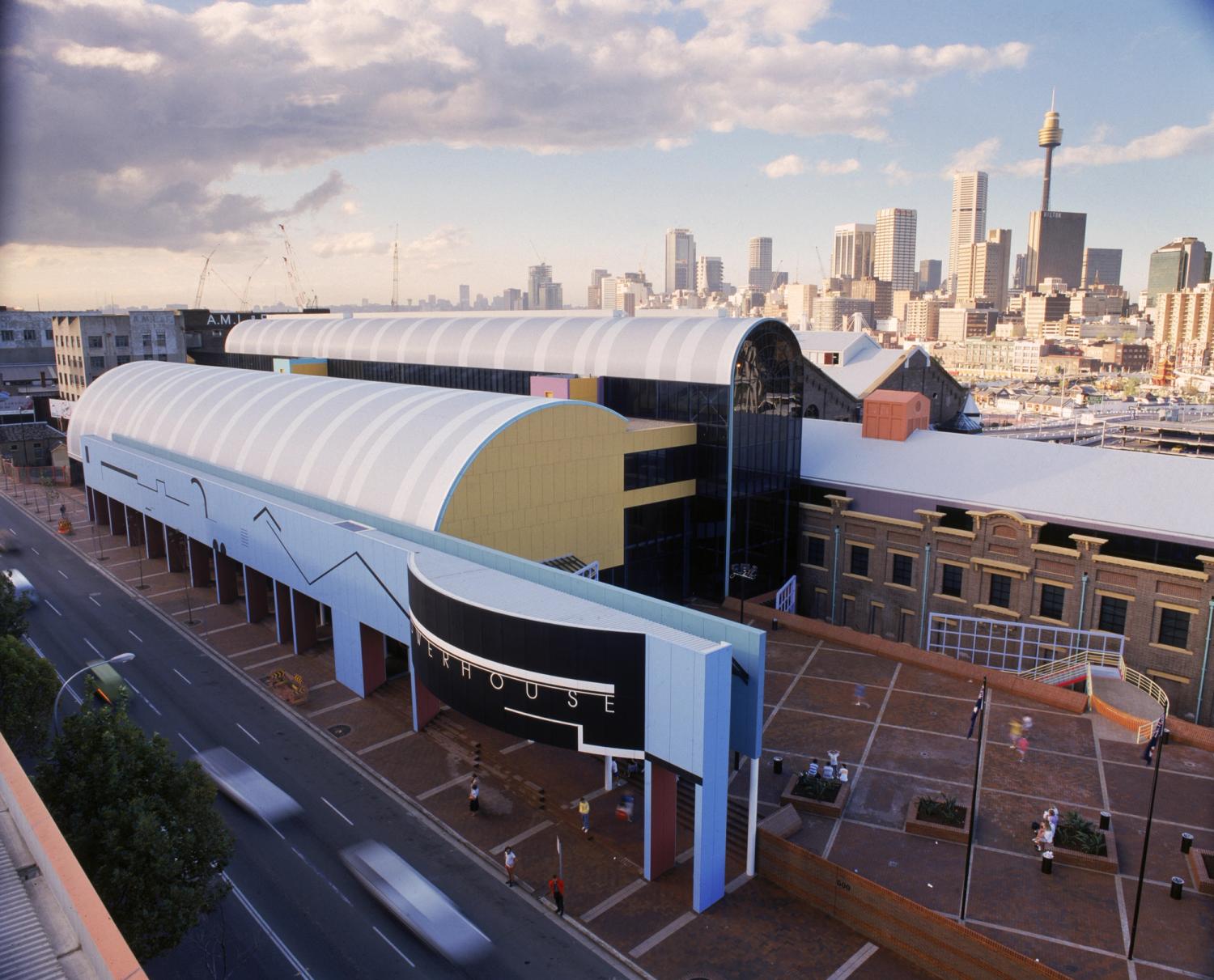
Jennifer began working at the Museum in1978 and held various curatorial positions specialising in textiles and costume and international decorative arts and design. From 1986 to 1988 Jennifer managed the development and completion of the six decorative arts and design exhibitions for the opening of the Powerhouse Museum.

In 1981 Jennifer undertook a Churchill Fellowship study tour of museums in USA and the UK. In 1987 she attended the Museum Management Institute, Berkeley, California, assisted by a J Getty Trust Scholarship. In 1991 Jennifer visited Japan funded by a Toshiba Travelling Scholarship for Museum Professionals. Jennifer has an Honours degree in Anthropology from the University of Sydney.

Jennifer is a member of committees including National Cultural Heritage Committee, Department of Environment and Heritage, Canberra; Member, External Advisory and New Development Committee, Ivan Dougherty Gallery, College of Fine Arts, UNSW. Jennifer was awarded the Centenary Medal in 2003.


Associate Director,
Exhibition Services and Digital Multi Media
currently vacant

Mark Goggin

Associate Director,
Marketing, Programs and Commercial Services
Mark Goggin, BA Hons (Melb)

Mark Goggin has a broad range of management experience across the arts, media, sponsorship, education and health sectors.  Originally trained as a psychologist, BA (Hons), University of Melbourne, Mark has worked as an educator, researcher, marketer, events manager and CEO within the health and education sectors.  Most notably, he was Executive Director of the Western Australian AIDS Council (1994-1996) before moving into the arts sector.

Prior to working at the Museum, Mark worked as General Manager of Sydney Gay and Lesbian Mardi Gras (1996-2001).  During his time at Mardi Gras, the event grew into the largest tourism event in Australia, generating an annual economic impact for Sydney of over $100 million as well as significant growth in international, media, sponsorship and marketing profile.

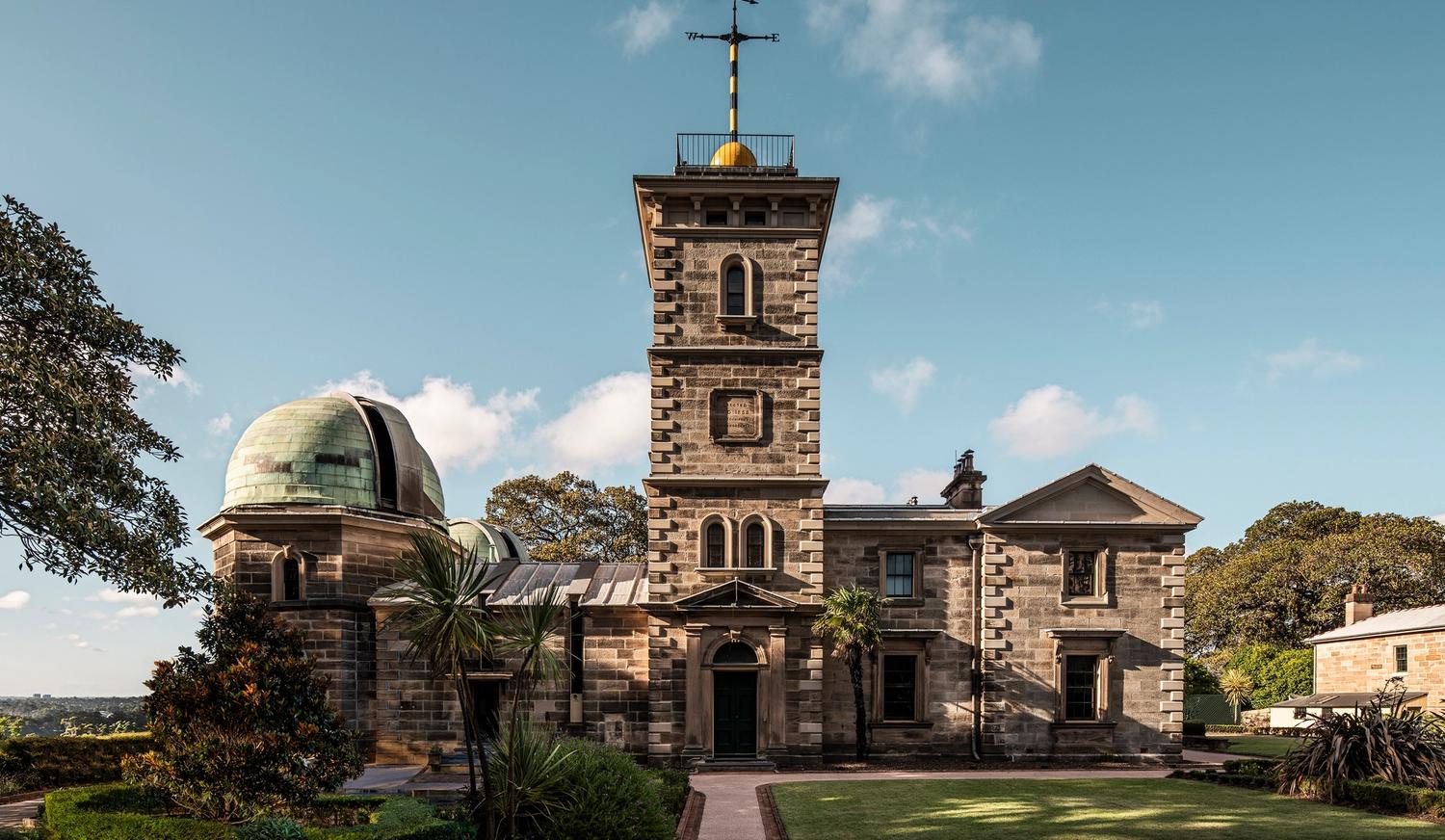
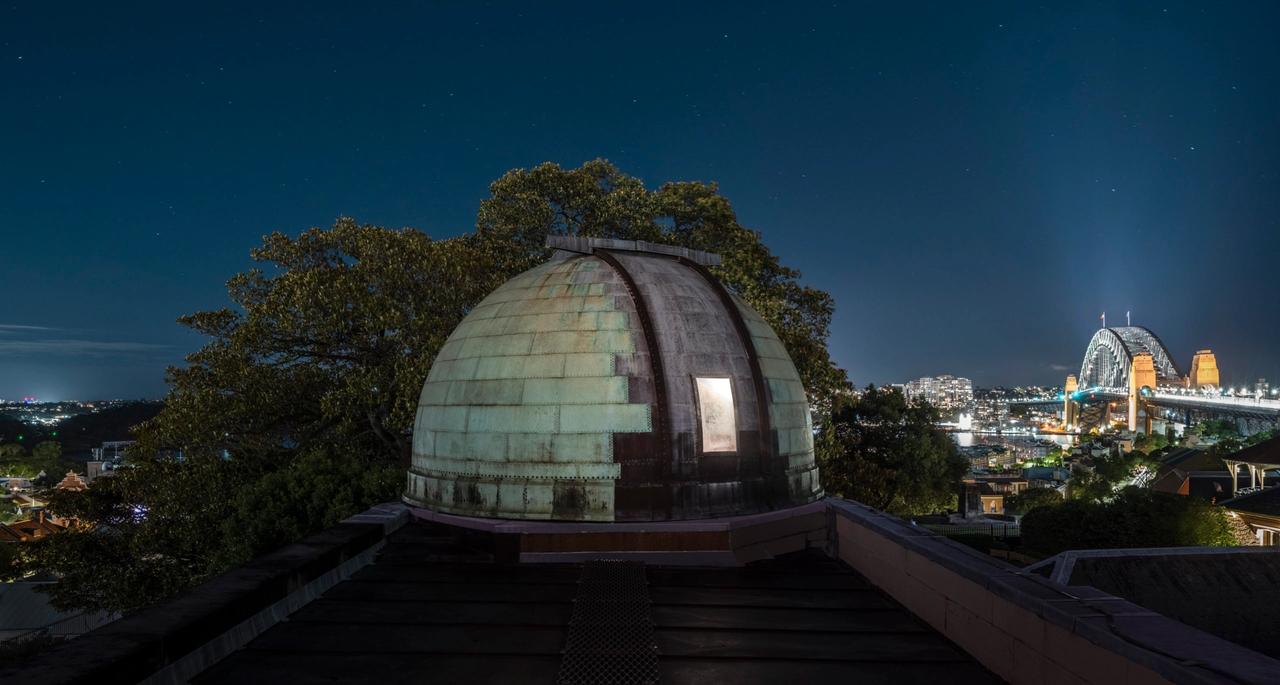
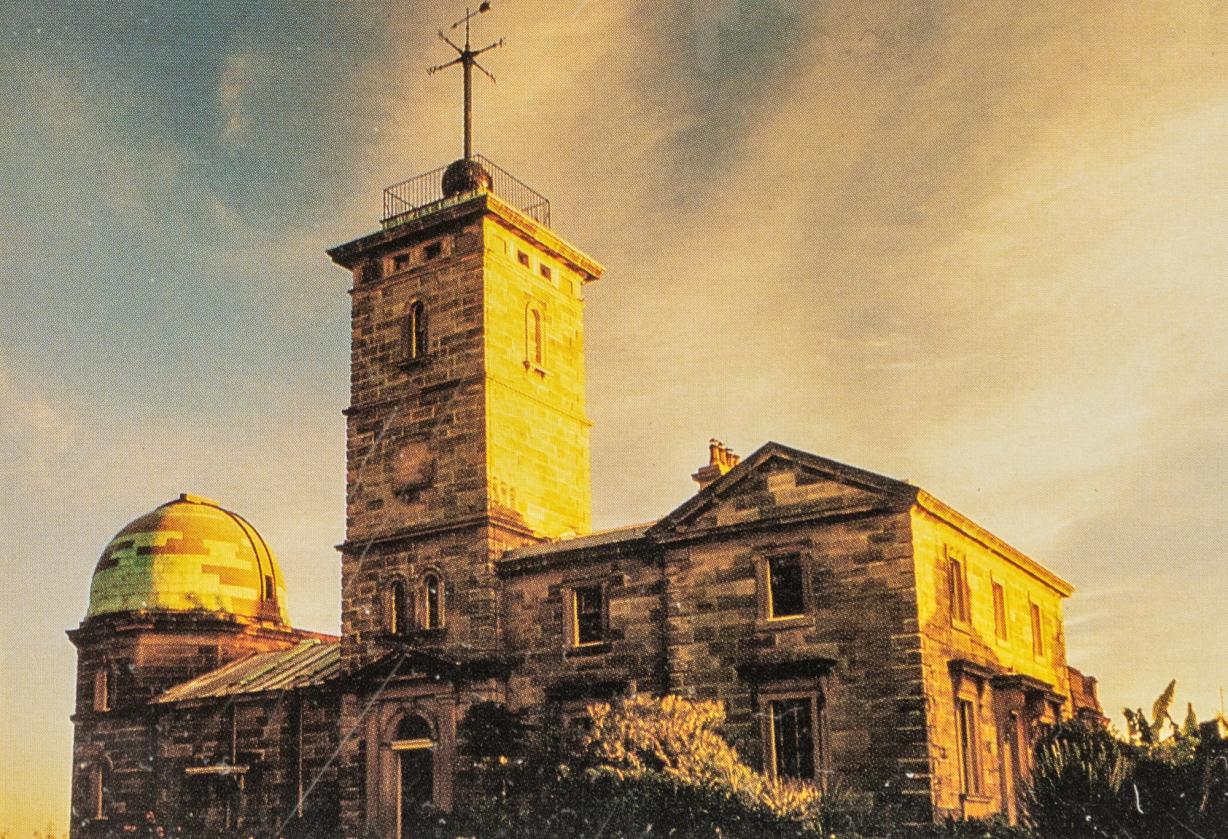
Mark oversees the operations of a range of customer focussed departments within the Museum, including: marketing and media; customer relations; education and visitor services; publishing  and merchandising;  and venue and security operations (including Powerhouse Events).  Mark also oversees Sydney Observatory and will this year be overseeing the development of Castle Hill as a site for public access to the Museum's collection in storage. The establishment of this division (from  January 2001) was to bring a more commercial logic to the way the Museum is run.  

Mark is a member of the National Development and Marketing Forum for Cultural Institutions. Mark is currently engaged in part time studies towards a Masters of Public Administration, through Australian & New Zealand School of Government (ANZSOG).


Associate Director,
Corporate and Financial Services/ Chief Finance Officer

Keith Edwards B Bus (Acc/Comp) FCPA FCIS GAICD JP

Keith Edwards has a Bachelor of Business from Charles Sturt University with a double major in accounting and computing.  He is a fellow member of CPA and the Institute of Chartered Secretaries and a graduate member of the Institute of Company Directors.  Keith has completed an Executive Development Program run by University of NSW, the Business Certificate from the Australia Institute of Management and the Company Directors Course from the Institute of Company Directors.

Keith has a sound commercial background in finance, human resources, information technology, contracting, project management, governance and occupational health and safety.  His experience has been obtained from working with large national and international engineering companies.  Some of the infrastructure products that these companies supplied are air pollution control equipment, power stations, pulp and paper dryers, freight locomotives and passenger train carriages.
Over 15 years experience as a senior manager in these companies has assisted Keith in achieving major positive outcomes for the organisations he was employed by. Among these were -

  • Arranging funding in excess of $200m for rolling stock projects for two state governments;
  • Project managing the implementation of an ERP computer system for Australia and NZ operations;
  • Improving the financial position of the organisation by re-engineering systems and procedures; and,
  • Implementing cultural change throughout the organisation after acquiring new companies.